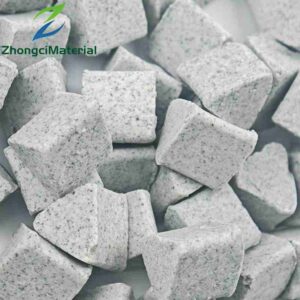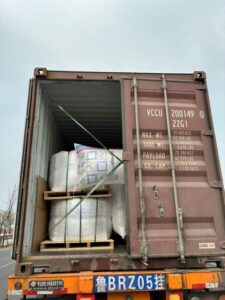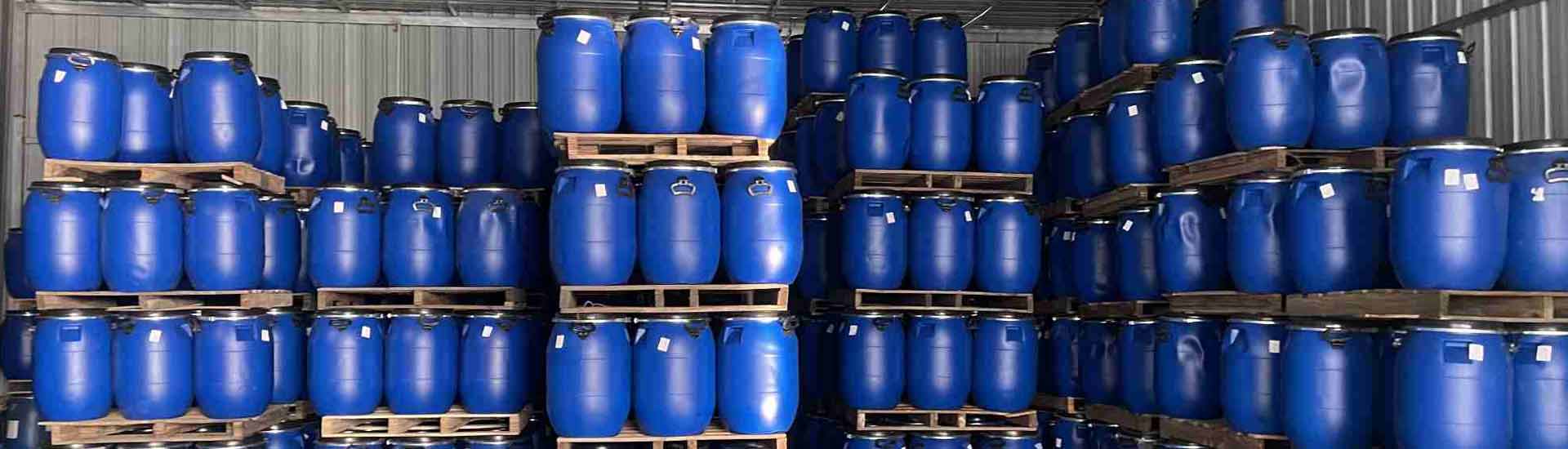
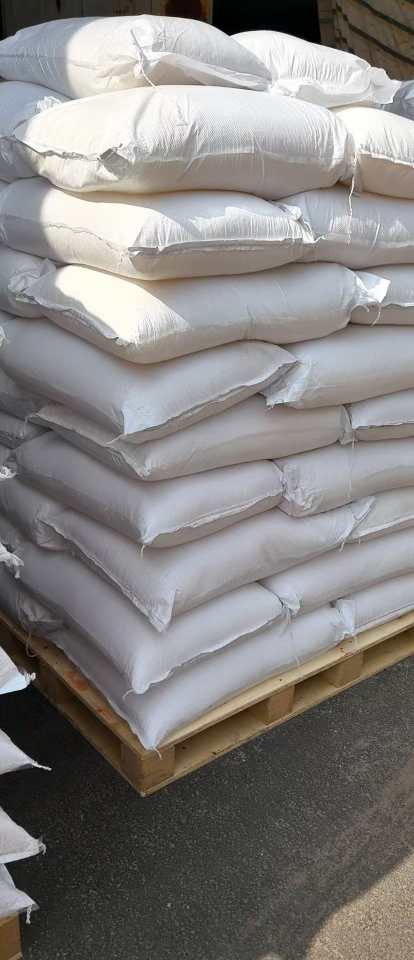
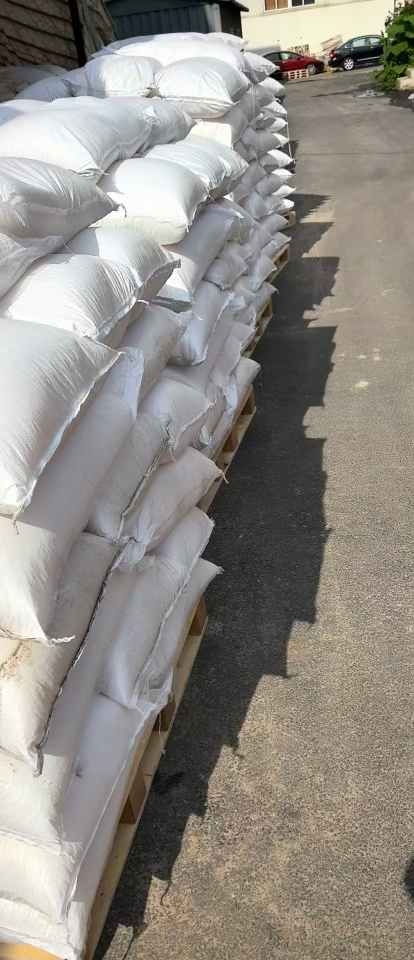
Zhongci 10 tons alumina silica gel is ready to ship to Russia.
Introduction to Alumina Silica Gel
Alumina silica gels, also known as silica-alumina gels, is a composite material formed by the combination of alumina (Al₂O₃) and silica (SiO₂) through sol-gels processes. It is widely recognized for its stability and versatility in various industrial applications.
Key Properties and Preparation
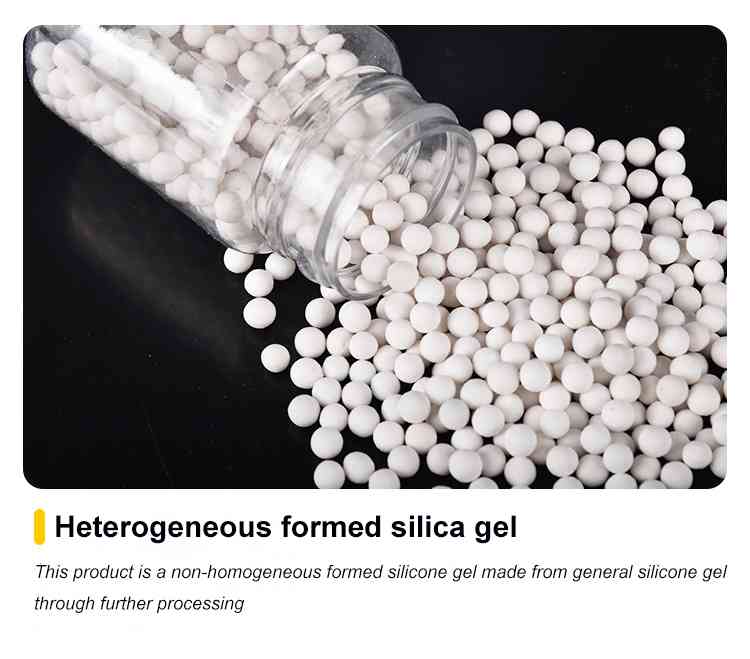
- Chemical Composition: Typically contains 10%–15% alumina, with silica as the main component. It appears as transparent or translucent particles, available in both spherical and irregular shapes.
- Synthesis Method: Stable alumina silica gel is commonly prepared by controlling the pH value (e.g., pH 3) during the sol-gel reaction of alumina gels and silica gels precursors.
Industrial Applications
- Binders in Refractories: As a binder, alumina silica gels powder enhances the properties of Al₂O₃-MgO based castables, improving line change rate, apparent porosity, compressive strength, and slag resistance.
- Reinforcement in Polymers: When used as a filler in rubber or polymer composites (e.g., natural rubber, NBR), it significantly increases tensile strength and fatigue resistance. For example, PMMA-wrapped alumina silica gels doped with rare earth ions doubles the tensile strength retention after 10,000 stretching cycles.
Related Terminology
- Alternative Names: Silica-alumina gels, alumina-silica gels
- Derivatives: Alumina-silica hydrogel and silica-alumina colloidal powder, which are used in specialized catalytic and adsorption processes.
Alumina silica gel’s unique structure and properties make it a valuable material in materials science, refractories, and polymer engineering.