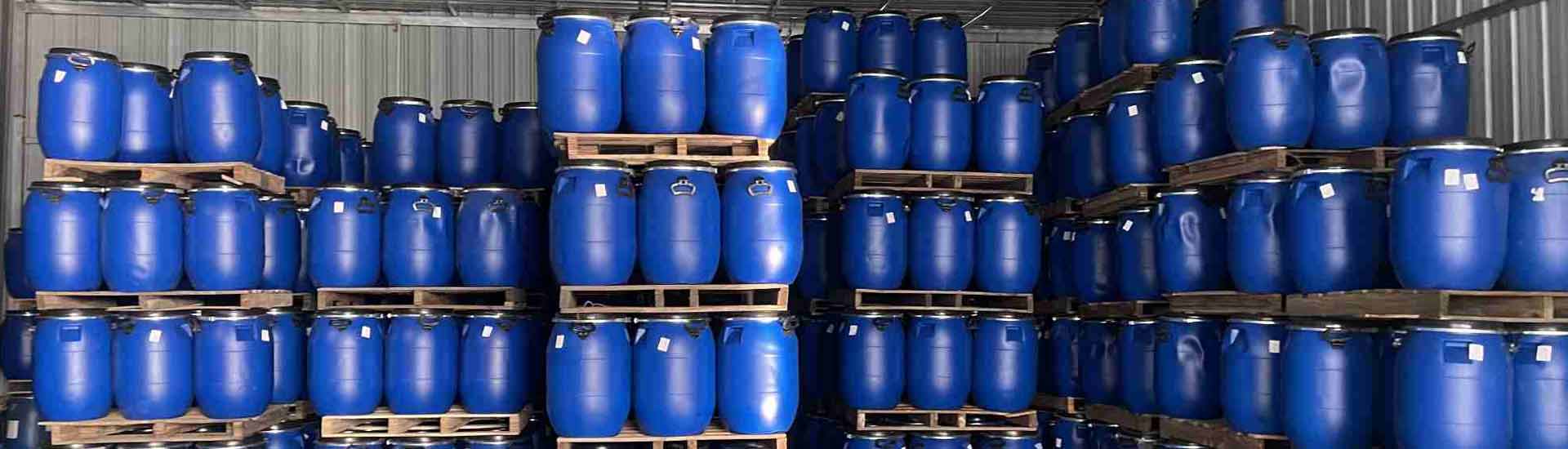
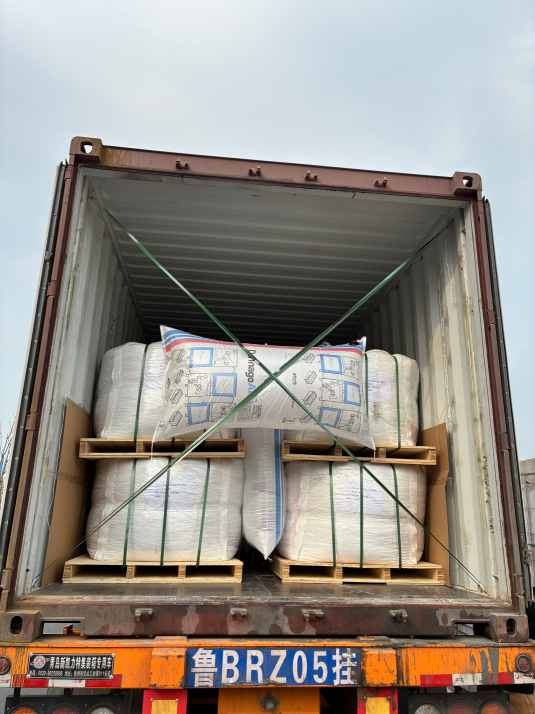
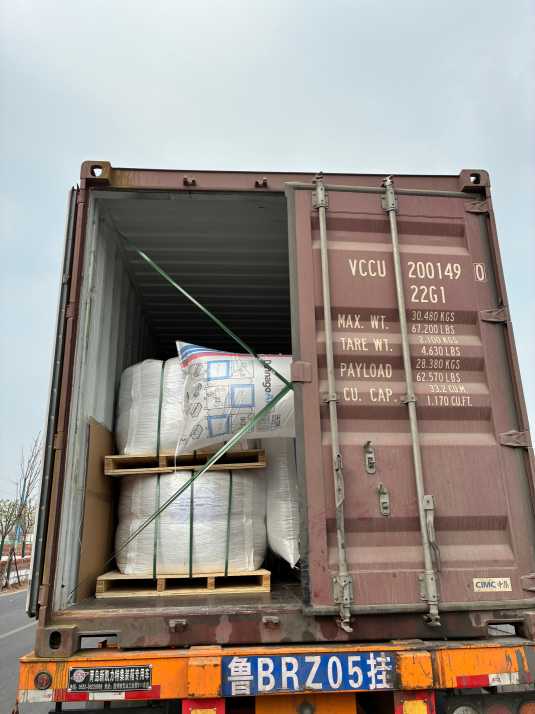
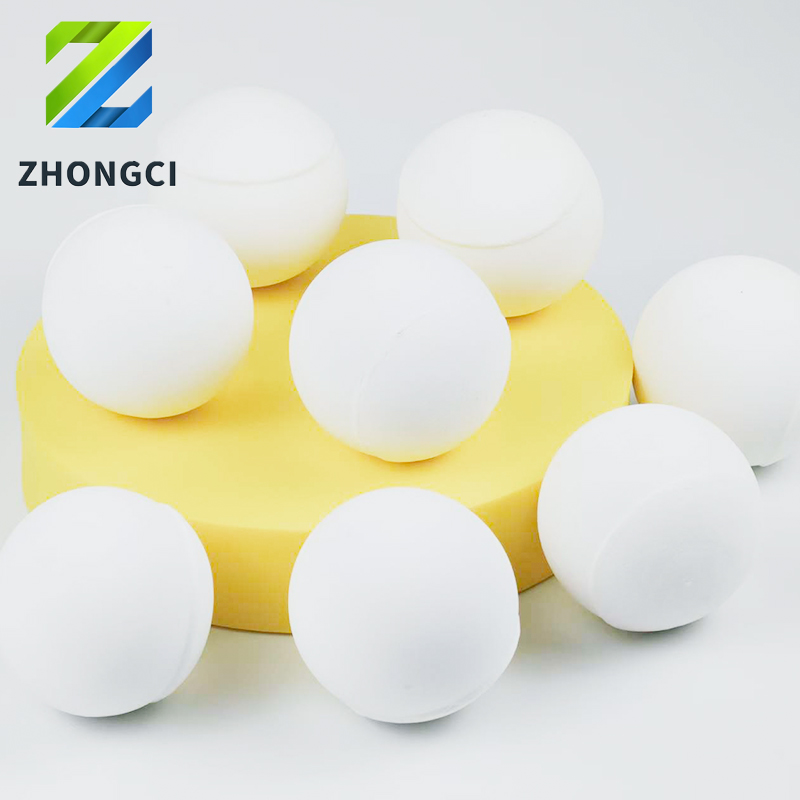
on March 29th, we Zhongci loaded 1 container of alumina milling ball, which is ready to ship to Russia.
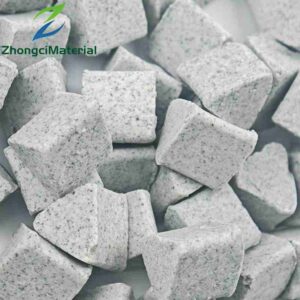
Alumina Milling Ball: A High-Performance Grinding Medium for Industrial Applications
Alumina milling ball, also known as alumina ceramic ball, is a high-performance grinding medium widely used in various industrial fields such as chemical industry, electronics, ceramics, mining, coatings, and pharmaceuticals. It is primarily made of high-purity aluminum oxide (Al₂O₃) powder through advanced molding and high-temperature sintering processes, featuring excellent physical and chemical properties that make it superior to traditional grinding media like natural cobblestones or common ceramic balls.
Key Properties of Alumina Milling Balls
The outstanding performance of alumina milling balls is determined by their unique material composition and manufacturing process, with the following core properties:
- Exceptional Hardness: With a Mohs hardness of up to 9, alumina milling balls are second only to diamonds, enabling them to effectively grind materials with high hardness and ensuring minimal wear during the grinding process. This high hardness also contributes to their long service life, reducing the frequency of media replacement.
- High Density and Wear Resistance: The density of alumina milling balls typically ranges from 3.6 to 3.9 g/cm³, depending on the Al₂O₃ content. The high density ensures strong impact force and efficient energy transfer during grinding, improving grinding efficiency. Meanwhile, their wear rate is extremely low, usually ≤ 0.1‰, which is far lower than that of natural cobblestones (1.4‰) and other common grinding media, minimizing product contamination caused by media wear.
- Excellent Chemical Stability: Alumina milling balls have good resistance to most acids, alkalis, and organic solvents, maintaining stable performance in harsh chemical environments without reacting with the ground materials. They are also non-magnetic and have good insulation properties, making them suitable for special industries such as electronic materials processing.
- Low Water Absorption and High Strength: The water absorption rate of high-quality alumina milling balls is ≤ 0.02%, and even as low as ≤ 0.01% for high-purity grades, indicating low porosity and high structural density. Their compressive strength can reach more than 2000 MPa, enabling them to withstand strong impact and pressure in grinding equipment without easily breaking.
Classification of Alumina Milling Balls
Alumina milling balls are mainly classified according to their Al₂O₃ content, which directly affects their performance and application scenarios. The common classifications are as follows:
| Type | Al₂O₃ Content | Density (g/cm³) | Application Scenarios |
|---|---|---|---|
| Low-Alumina Ball | 45% – 75% | 2.8 – 3.3 | Coarse grinding in general coatings, building materials, and other fields with low requirements |
| Mid-Alumina Ball | 75% – 85% | 3.3 – 3.6 | Medium and fine grinding of ceramic glazes, mineral powders, and other materials |
| High-Alumina Ball | ≥ 90% | 3.6 – 3.9 | Ultra-fine grinding in lithium battery materials, electronic ceramics, fine chemicals, and other high-demand fields |
In addition to classification by Al₂O₃ content, alumina milling balls can also be divided into rolled balls and pressed balls according to the forming process. Rolled balls are suitable for small and medium sizes and are more cost-effective. While pressed balls (usually made by isostatic pressing) are suitable for large sizes and high-density requirements, with better impact resistance and are preferred for dry grinding applications.
Manufacturing Process of Alumina Milling Balls
The manufacturing process of alumina milling balls is complex and precise, directly determining their final performance. The main steps are as follows:
- Raw Material Preparation: High-purity α-Al₂O₃ powder is selected as the main raw material, mixed with appropriate binders. And sintering aids to improve the forming and sintering performance of the powder.
- Molding: Two main forming methods are adopted: rolling forming (suitable for small and medium-sized balls) and isostatic pressing (suitable for large-sized balls and high-density requirements). Rolling forming is more cost-effective, while isostatic pressing can ensure uniform density and regular shape of the balls.
- Drying: The formed green balls are dried to remove moisture, preventing cracking during the sintering process.
- High-Temperature Sintering: The dried green balls are sintered at a high temperature of 1500 – 1700 ℃. This process makes the alumina particles densify, forming a stable and dense structure. And enhancing the hardness and strength of the balls.
- Post-Processing: After sintering, the balls are polished, graded, and tested (for size, density, strength, etc.). To ensure they meet industrial application standards.
Applications of Alumina Milling Balls
Due to their excellent performance, alumina milling balls are widely used in various industrial grinding processes, covering multiple fields:
- Mining Industry: Used for grinding gold, copper, cobalt, and other ores, improving the extraction efficiency of useful minerals.
- Ceramic Industry: Applied in the grinding of ceramic raw materials and glazes, ensuring the fineness and uniformity of the materials. And improving the quality of ceramic products.
- Chemical Industry: Suitable for grinding pigments, powders, and chemical materials, with low contamination and stable grinding effects.
- Electronic and Pharmaceutical Industries: High-purity alumina milling balls are used for grinding electronic materials and pharmaceutical raw materials. Meeting the strict requirements of product purity.
- Other Fields: Also used in cement clinker grinding, coal and ash grinding in power plants. And other scenarios, providing efficient and reliable grinding solutions.
Selection and Usage Notes
To ensure the grinding effect and reduce costs, the following factors should be considered when selecting alumina milling balls:
- Material Characteristics: Select the appropriate Al₂O₃ content according to the hardness, viscosity, and pollution sensitivity of the ground material.
- Grinding Equipment Type: Match the size and type of alumina milling balls with the grinding equipment (such as ball mills, sand mills, and stirred mills).
- Particle Size Matching: Generally, the diameter of the milling ball should be 10 – 20 times the maximum particle size of the ground material to ensure efficient grinding.
- Cost-Benefit Balance: High-alumina balls have a higher initial cost but a longer service life and better performance. Which is more cost-effective in the long run.
In terms of usage, it should be noted that alumina milling balls should not be mixed with metal media to avoid cross-contamination. They should be cleaned to remove dust before initial use. And they should be stored in a moisture-proof and anti-fall environment (though hard. They are brittle and easy to break when dropped).
Conclusion
As a high-performance grinding medium, alumina milling balls have become an indispensable part of modern industrial grinding processes. Due to their high hardness, wear resistance, chemical stability, and low contamination. With the continuous development of industries such as new energy, electronics, and fine chemicals, the demand for high-purity, high-performance alumina milling balls will continue to grow. Choosing the right type of alumina milling ball and using it correctly can significantly improve grinding efficiency, reduce production costs, and ensure product quality.