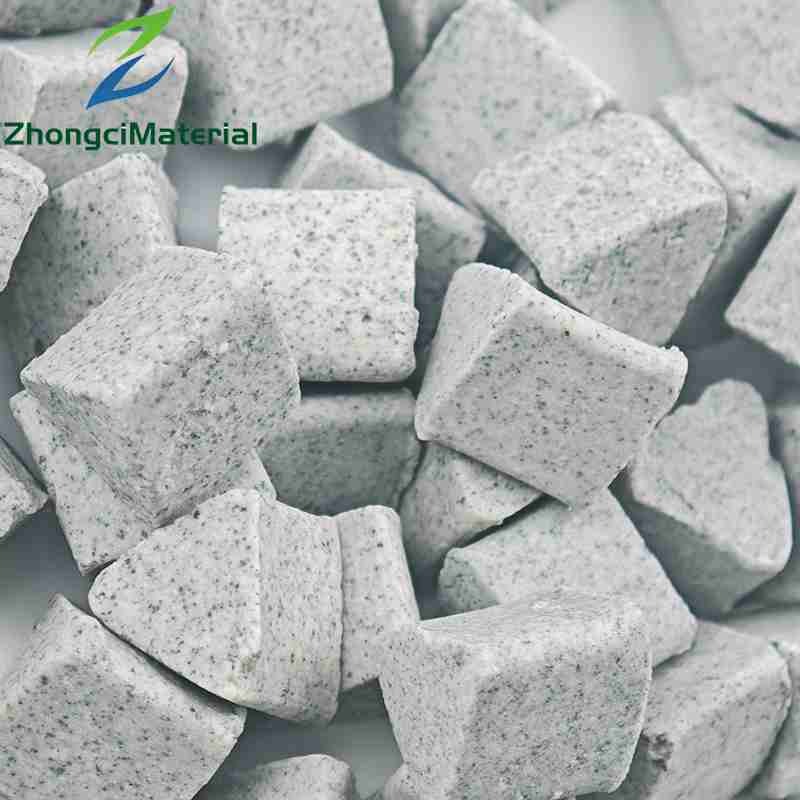
Ceramic abrasive media is a high-performance, versatile class of industrial abrasives engineered from inorganic, non-metallic compounds, fired at extremely high temperatures to achieve exceptional hardness, durability, and consistent performance. As a cornerstone in modern surface finishing, grinding, and material processing, it has revolutionized industrial manufacturing with its ability to handle both aggressive material removal and precision polishing across a wide range of applications.
The Production of Ceramic Abrasive Media
The production of ceramic abrasive media involves a rigorous process that begins with carefully selected raw materials, including clay-based substrates, sand. And abrasive additives such as aluminum oxide, silicon carbide, or zirconia. These materials are finely milled, shaped into various forms, and sintered at temperatures exceeding 1,300°C. A process that enhances their density, hardness, and structural stability. The precise formulation of raw materials determines the media’s cutting characteristics—ranging from highly aggressive grinding grades to gentle polishing variants—making it adaptable to diverse processing needs.
One of the most distinctive advantages of ceramic abrasive media is its exceptional durability and cost-effectiveness. Unlike plastic or glass abrasives, ceramic media boasts high density and fracture toughness, retaining its shape through controlled abrasion without breaking into unwanted particles. This controlled wear ensures stable processing, low dust formation, and predictable results, while its reusability (lasting 30–60 times longer than traditional media) significantly reduces operational costs and waste. Additionally, ceramic media generates higher contact pressure due to its density, enabling shorter processing times and more efficient grinding, deburring, and edge rounding compared to plastic alternatives of similar sizes.
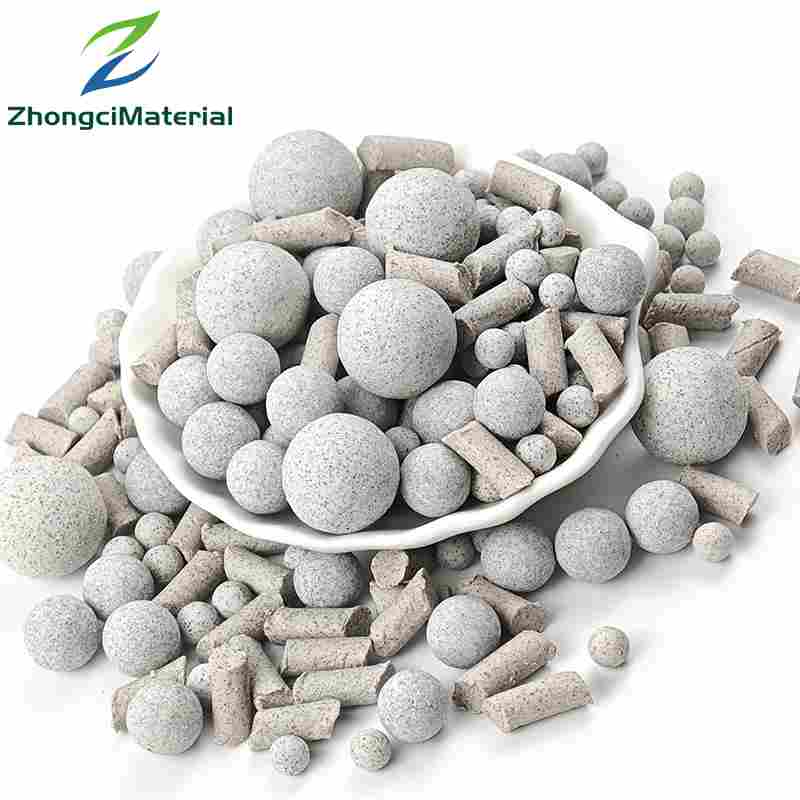
Ceramic abrasive media is available in a wide variety of sizes, shapes, and formulations to cater to specific industrial requirements. Sizes range from miniature 0.7mm beads for delicate components to larger variants for heavy-duty applications. While shapes include triangles, cylinders, cones, ellipses, and三棱锥 (tristars)—each designed to address unique processing challenges. For example, triangular media with angular edges delivers high material removal rates and accesses complex workpiece contours. While elliptical media offers gentle processing for delicate parts, leaving a uniform surface finish. Formulations vary from alumina-based media for general-purpose use to zirconia composites for high-hardness applications. Wwith Mohs hardness ranging from 7 to 9.5+ depending on the composition.
The applications of ceramic abrasive media
The applications of ceramic abrasive media span nearly every major industry, from automotive and aerospace to medical devices and electronics. In mass finishing processes (such as vibratory finishing, centrifugal finishing, and tumbling). It is used for deburring, edge radiusing, descaling, and surface smoothing of metal, plastic, and ceramic parts. It is particularly valuable in precision industries: aerospace manufacturers rely on it to finish turbine blades. And aircraft components to strict standards. While medical device producers use it to polish surgical instruments and orthopedic implants for bio-compatibility and smoothness. Other key applications include grinding and polishing of automotive parts, metal pipes, stainless steel cookware, electronics casings. And even gemstones for hobbyist projects.
Compared to traditional abrasives like silica sand, steel shot, or glass beads, ceramic abrasive media offers significant environmental and safety benefits. It produces minimal dust, reducing workplace health risks associated with silica exposure and easing compliance with OSHA, RoHS, and REACH standards. It is also chemically inert. Ensuring no corrosion, discoloration, or metal contamination on sensitive surfaces—critical for applications like clean-room components and biomedical implants. Additionally, it requires less water and compound during processing, contributing to a cleaner, more efficient workflow compared to plastic abrasives.
With over 60 years of development and innovation, ceramic abrasive media has evolved into a comprehensive solution for industrial finishing needs. With manufacturers offering both standard and customized formulations to match exact technical requirements. Its unique combination of durability, versatility, precision. And cost-effectiveness makes it an indispensable tool in modern manufacturing, driving efficiency, quality, and sustainability across industries worldwide.