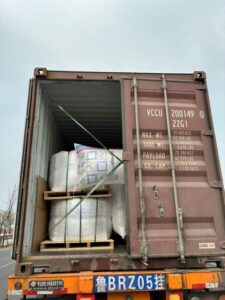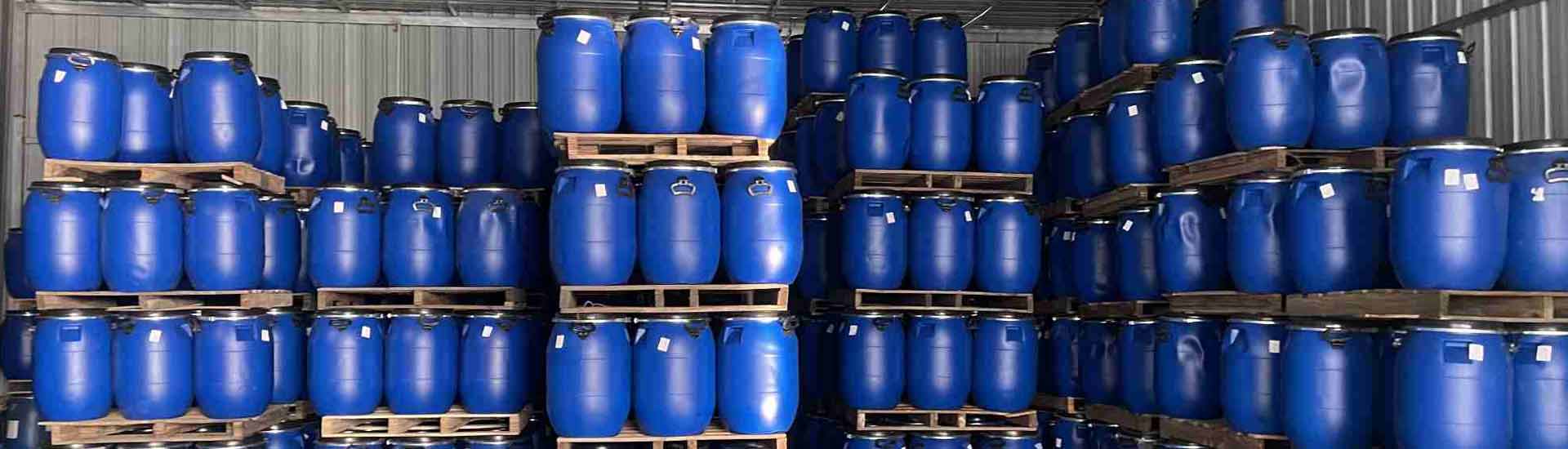
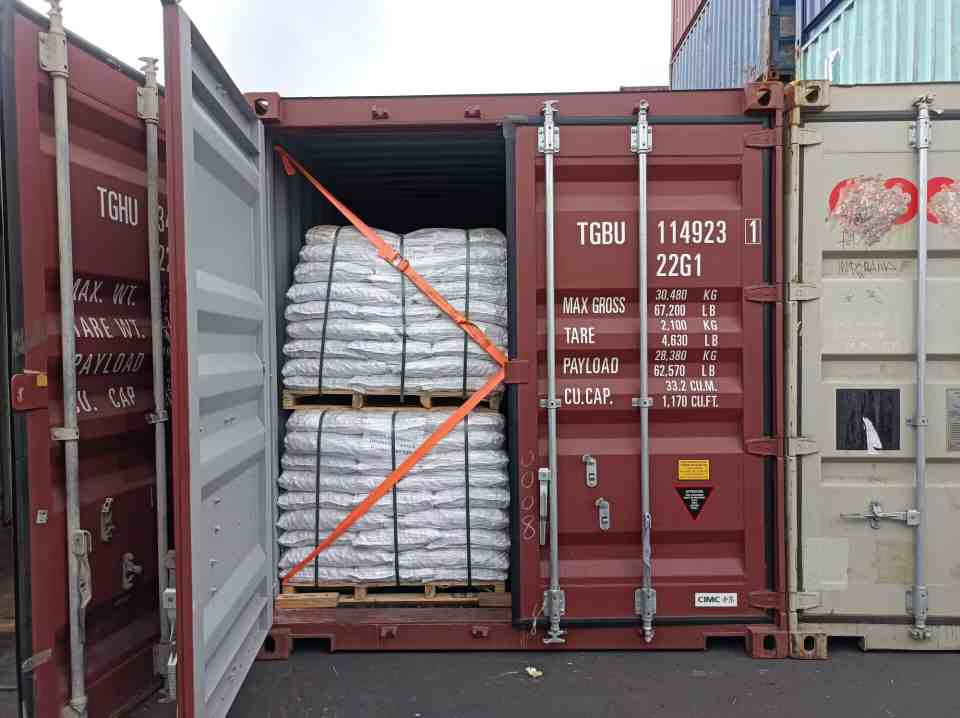
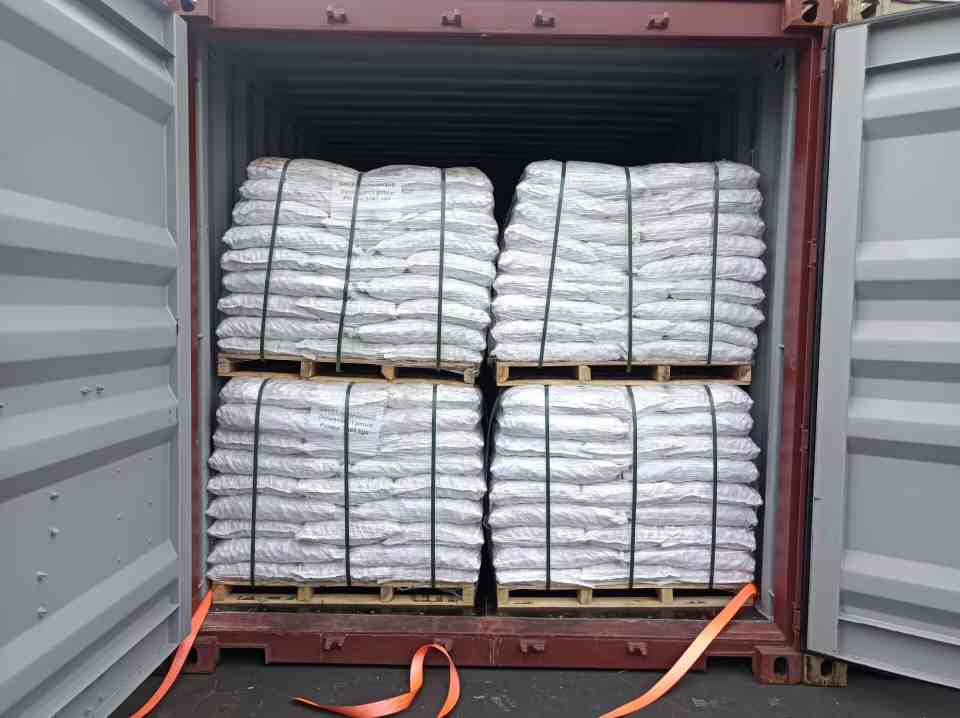
On July 14th, We Zhongci shipped one container 95% alumina grinding balls to Morocco. Its our second batch order for now.
Introduction to 95% Alumina Grinding Balls
In the industrial and laboratory fields, 95% alumina grinding balls have emerged as a highly effective and reliable grinding material. Here is a detailed introduction to them.
I. Composition and Basic Properties
The main component of 95% alumina grinding balls is aluminum oxide (Al₂O₃), with a content as high as 95%. This high – alumina content endows the grinding balls with a series of excellent properties. The density of these balls is around 3.6 g/cm³. They have a high hardness, generally reaching about 9 on the Mohs scale, and can withstand high temperatures up to 1600 degrees Celsius. Their melting point is 2040 °C (lit.), and the boiling point is 2977 °C.
II. Manufacturing Process
These grinding balls usually made from high – quality national standard grade – one calcined alumina powder. The production process involves several key steps. First, the raw materials go through processes such as batching, grinding, and pulping. Then, the process can be carry out using advanced methods like isostatic pressing or manual ball – rolling. After that, the semi – finished products dried and finally fired in a tunnel kiln. The calcination temperature in the tunnel kiln reaches over 1600 °C, and the holding time is more than 15 hours.
III. Advantages
A. Wear Resistance
Due to their high hardness, 95% alumina grinding balls can effectively reduce material loss during the grinding process. Compared with many traditional ceramic or metal grinding balls, which are prone to wear, 95% alumina grinding balls have a significantly longer service life, thus reducing production costs.
B. Chemical Stability
Aluminum oxide is chemically stable and does not react with many substances. In the grinding process, it will not contaminate the materials ground. This is especially crucial in industries such as pharmaceuticals and food, where the purity of materials is of utmost importance.
C. Uniformity
These grinding balls have a uniform spherical shape and size. This ensures a consistent grinding effect, allowing them to better contact the materials ground and guarantee the uniformity and efficiency of grinding, which is particularly valuable when dealing with high – precision materials.
D. Lightweight and Long – lasting
Compared with steel ball, 95% alumina grinding ball is lighter, which can reduce the burden on equipment. Moreover, they are not prone to rusting, so their service life is longer. When compared with other types of ceramic balls, their hardness and wear resistance are superior, enabling them to perform better in high – intensity grinding operations.
IV. Application Fields
A. Coatings and Inks
In the production of coatings and inks, 95% alumina grinding balls can effectively improve the dispersibility and uniformity of pigments, thereby enhancing the quality of the final products.
B. Ceramics
In the ceramic industry, using these grinding balls to grind raw materials can increase the density and strength of ceramics, improving the performance of ceramic products. They are widely used in different types of ceramics, including architectural and sanitary ceramics, industrial ceramics, and electronic ceramics.
C. Other Industries
They are also used in other fields such as glass, high – grade refractory materials, special cement, non – metallic mineral deep – processing, and mechanical polishing.
In conclusion, 95% alumina grinding balls, with their excellent wear resistance, chemical stability, and other outstanding properties, have become an indispensable grinding material in modern industries and laboratories.