Carbon molecular sieve poisoning means the adsorption holes of the nitrogen generator’s carbon molecular sieve are blocked by oil. And the two adsorption towers of the nitrogen generator cannot be regenerated due to normal switching. It results in a decrease in the ability of the nitrogen generator’s carbon molecular sieve to adsorb oxygen. The nitrogen generator manufacturer defines it as nitrogen generator’s carbon molecular sieve poisoning or carbon molecular sieve poisoning.
What is the cause of nitrogen poisoning?
Carbon molecular sieves poisoning, also known as nitrogen generator oil pollution, is caused by the failure of the air compressor oil and gas separator or the failure to replace excess oil in the oil removal activated carbon of the air purification unit in a timely manner. This results in the failure of the nitrogen generator. Once the carbon molecular sieve of the nitrogen generator is poisoned, it will cause insufficient nitrogen production indicators. It cannot meet the production process requirements, leading to product oxidation and causing certain economic losses.
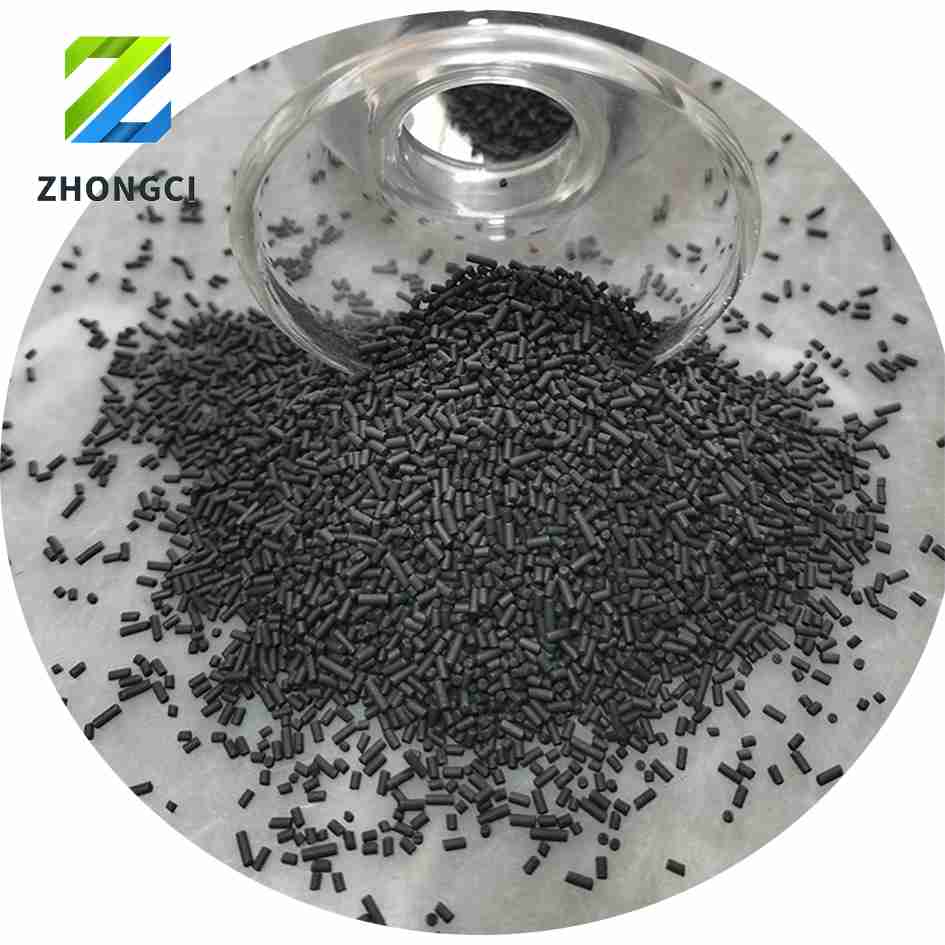
How to detect carbon molecular sieve poisoning?
It is difficult to detect nitrogen poisoning in a timely manner, resulting in the inability to monitor the poisoning status of carbon molecular sieves. Only through the online nitrogen analyzer of the nitrogen generator and the presence of oily substances around the surface of the nitrogen generator can the poisoning status be monitored. After discovering insufficient nitrogen purity, the method of adjusting the outlet flow rate of the nitrogen generator to improve the purity of the nitrogen generator should be carried out while ensuring the amount of nitrogen used. New carbon molecular sieves should be replaced in a timely manner. If the nitrogen purity cannot be improved even after reducing the nitrogen flow rate. Please replace the carbon molecular sieves and air filtration consumables of the nitrogen generator immediately.