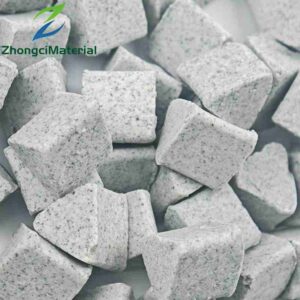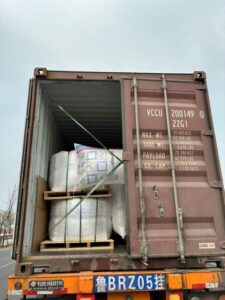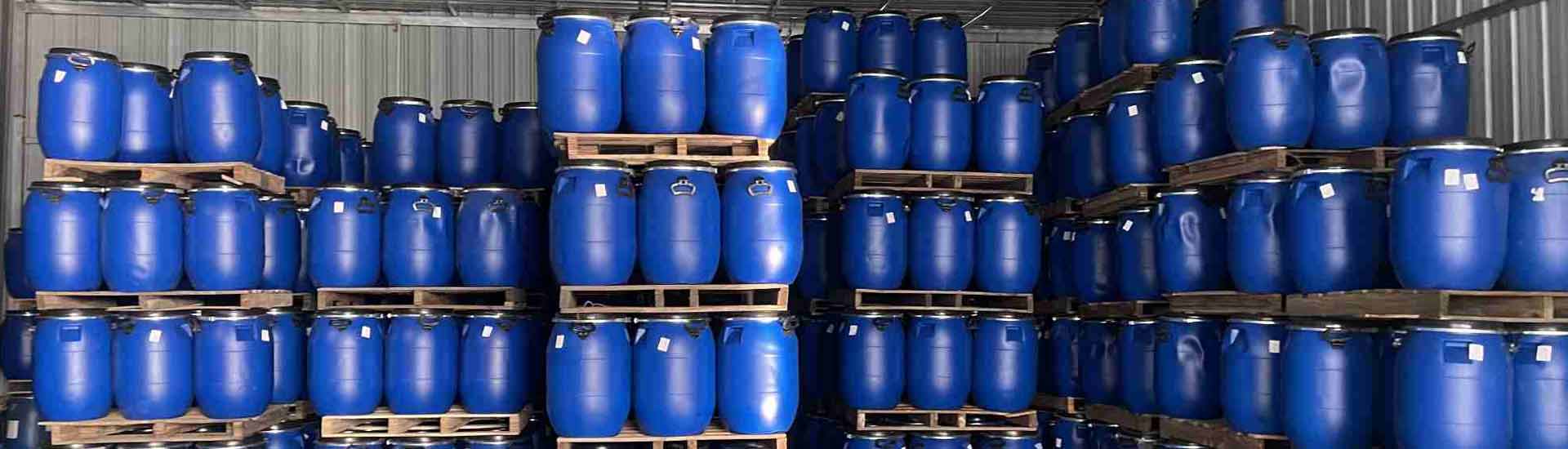
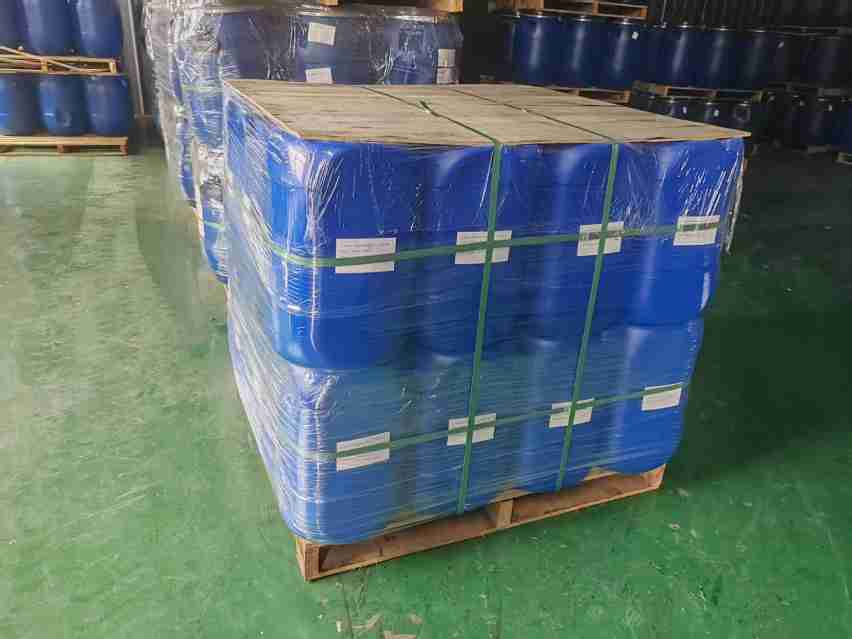
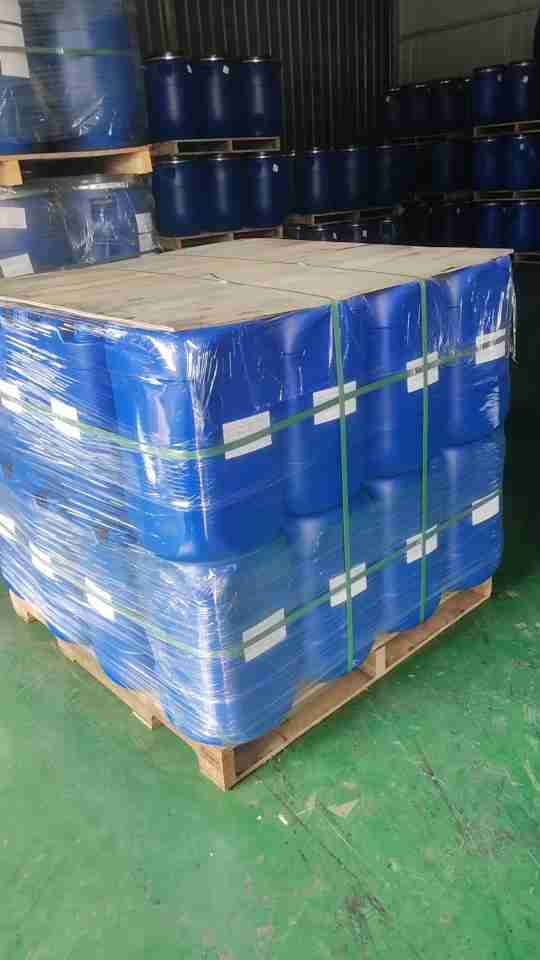
On April 29th, our Zhongci Carbon Molecular Sieves CMS 240 is well packed and ready to ship it to our USA customer.
Testing method for adsorption performance of carbon molecular sieve in nitrogen generator
A nitrogen generator is a device that separates nitrogen gas from air through physical or chemical methods. And it is widely used in industries such as chemical, food, pharmaceutical, and electronics. Carbon Molecular Sieve (CMS) is one of the core materials in nitrogen generators. And its adsorption performance directly affects the efficiency and nitrogen purity of the nitrogen generator. Therefore, detecting the adsorption performance of carbon molecular sieves is crucial for ensuring the normal operation of nitrogen generators and optimizing their performance. The following are several commonly use methods for testing the adsorption performance of carbon molecular sieves:
Static adsorption method
Static adsorption method is a commonly use method for detecting the adsorption performance of carbon molecular sieves. The basic principle is to place a certain amount of carbon molecular sieve in a closed container, then introduce the gas to test (such as oxygen, nitrogen, etc.), and record the adsorption amount of the adsorbent on the gas at a certain temperature and pressure.
Steps:
- Sample preparation: Take a certain amount of carbon molecular sieve sample to ensure that the sample is dry and free of impurities.
- Adsorption experiment: Place the sample into the adsorption device, introduce the gas to test, and record the adsorption time and amount.
- Data processing: Calculate parameters such as adsorption capacity and adsorption rate based on the adsorption curve.
Advantages: Easy to operate, suitable for laboratory environments.
Disadvantages: The experimental period is long, making it difficult to simulate the dynamic adsorption process in actual nitrogen generators.
- Dynamic adsorption method
The dynamic adsorption method is closer to the working conditions of actual nitrogen generators. By simulating the gas flow and adsorption process in the nitrogen generator, the adsorption performance of carbon molecular sieves is tested.
Steps:
- Device construction: Build a dynamic adsorption experimental device, including gas generator, adsorption column, flow meter, pressure gauge, etc.
- Experimental procedure: Load carbon molecular sieves into the adsorption column, introduce a mixed gas (such as air), adjust the gas flow rate and pressure, and record the concentrations of nitrogen and oxygen in the outlet gas.
- Data analysis: Calculate the adsorption selectivity, adsorption capacity, and other parameters of carbon molecular sieves based on changes in outlet gas concentration.
Advantages: It is closer to actual working conditions and the data has more reference value.
Disadvantages: The device is complex and the operation is difficult.
3. Penetration curve method
Itis a method of evaluating the performance of adsorbents by measuring the penetration time of gases in the adsorbent. Penetration time refers to the time it takes for the gas to enter and reach a certain set concentration at the outlet.
Steps:
- Experimental preparation: Load carbon molecular sieve into the adsorption column to ensure uniform filling.
- Gas introduction: Introduce the gas to test and record the change in outlet gas concentration over time.
- Data processing: Draw penetration curves, calculate parameters such as penetration time and adsorption capacity.
Advantages: Simple operation and intuitive data.
Disadvantage: It is only suitable for evaluating the adsorption performance of a single gas or a simple mixture of gases.
4.Thermogravimetric analysis (TGA)
Thermogravimetric analysis is a method of evaluating the performance of adsorbents by measuring the mass change of a sample during heating. For carbon molecular sieves, the adsorption capacity can be calculate by measuring the mass change after gas adsorption.
Steps:
- Sample preparation: Take a certain amount of carbon molecular sieve sample and ensure that the sample is dry.
- Adsorption experiment: Place the sample in a thermogravimetric analyzer, introduce the gas to test, and record the mass change.
- Data analysis: Calculate parameters such as adsorption capacity and adsorption rate base on the quality change curve.
Advantages: High sensitivity, capable of simultaneously measuring multiple parameters.
Disadvantages: Expensive equipment and complex operation.
5.Determination of specific surface area and pore size distribution
The adsorption performance of carbon molecular sieves is closely relate to their specific surface area and pore size distribution. By measuring the specific surface area and pore size distribution, its adsorption performance can be indirectly evaluated.
Steps:
- Sample preparation: Take a certain amount of carbon molecular sieve sample and ensure that the sample is dry.
- Experimental procedure: Use a specific surface area analyzer (such as BET method) and a pore size distribution analyzer (such as BJH method) to determine the specific surface area and pore size distribution of the sample.
- Data analysis: Evaluate the adsorption performance of carbon molecular sieves base on the measurement results.
Advantages: Accurate data and comprehensive evaluation of adsorbent performance.
Disadvantages: Expensive equipment and complex operation.
- Determination of adsorption isotherm
Adsorption isotherm refers to the relationship between adsorption capacity and gas pressure at a constant temperature. By measuring the adsorption isotherm, the adsorption performance of carbon molecular sieves can be evaluated.
Steps:
- Sample preparation: Take a certain amount of carbon molecular sieve sample and ensure that the sample is dry.
- Experimental procedure: Place the sample in the adsorption device, introduce the gas to test, and record the adsorption amount at different pressures.
- Data processing: Draw adsorption isotherms, calculate adsorption capacity, adsorption selectivity and other parameters.
Advantages: Comprehensive data, capable of evaluating adsorption performance under different pressures.
Disadvantages: Long experimental period and complex operation.
conclusion
Testing the adsorption performance of carbon molecular sieves in nitrogen generators is a key step in ensuring their efficient operation. The commonly used detection methods include static adsorption method, dynamic adsorption method, breakthrough curve method, thermogravimetric analysis method, determination of specific surface area and pore size distribution, and determination of adsorption isotherm. Each method has its advantages and disadvantages, and the appropriate detection method should be base on actual needs and experimental conditions. By comprehensively applying these methods, the adsorption performance of carbon molecular sieves can be comprehensively evaluated, providing scientific basis for the optimization and maintenance of nitrogen generators.