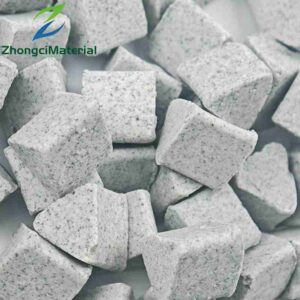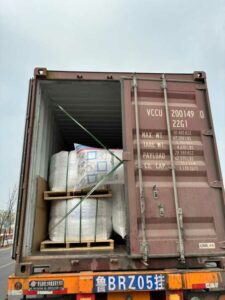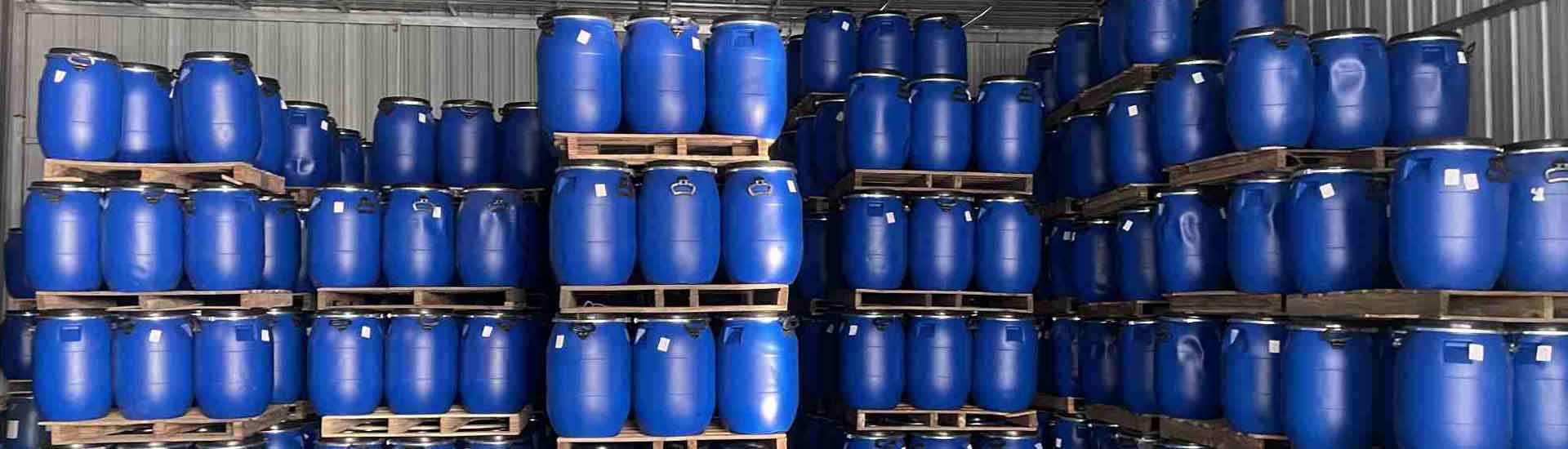
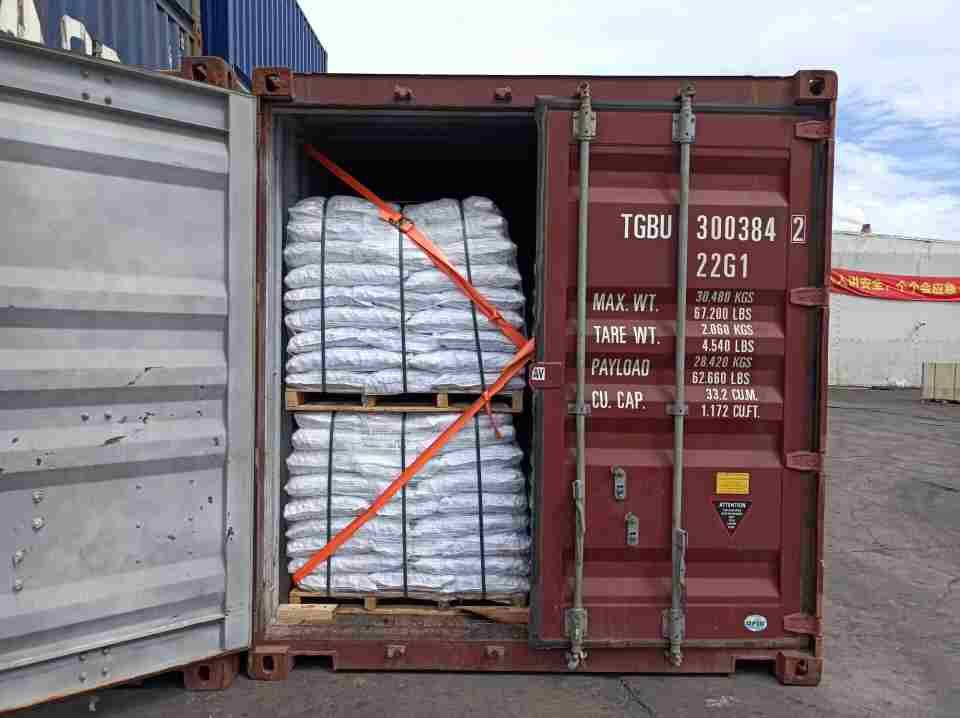
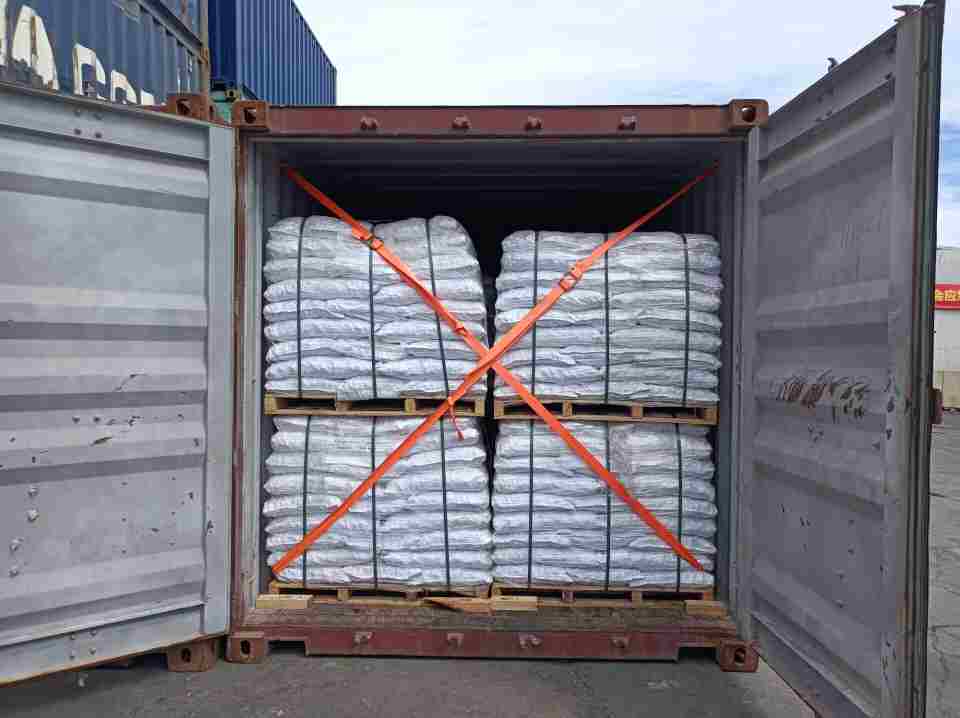
Only July 14th, one full container inert ceramic balls loaded well and ready to Indonesia.
Introduction to Inert Ceramic Balls, Alumina Fillers, and High Purity Fillers Balls
1、 Product Overview
Inert ceramic balls and alumina fillers are high-performance filler products require by modern chemical, petrochemical, and environmental industries. These products mainly made of industrial alumina and kaolin, with appropriate amounts of feldspar, quartz, and various reinforcing agents and additives added, and processed through a series of advanced production processes. They not only have the characteristics of high strength and high porosity, but also exhibit high temperature resistance, oxidation resistance, wear resistance, and chemical corrosion resistance.
2、 Product Features
High strength and high porosity: Inert ceramic balls and alumina fillers use corundum and mullite – corundum and mullite as the main crystal phases, with a dense structure and hard texture, capable of withstanding high load working environments. At the same time, they have uniform porosity and a large specific surface area, which can effectively intercept and filter various impurities.
Chemical stability: These products, except for hydrofluoric acid, can withstand corrosion from all inorganic acids, organic acids, acidic gases, and neutral gases. They will not pulverize or deteriorate due to chemical reactions, ensuring long-term stability and reliability.
Good resistance to rapid cooling and heating: Inert ceramic balls and alumina fillers have extremely low chemical activity and can maintain structural stability under extreme temperature changes without cracking or deformation due to thermal stress.
Long lifespan and low maintenance: Under normal usage conditions, the service life of these products exceeds 10 years. They not easily contaminated, reducing the frequency of replacement and cleaning, and lowering maintenance costs.
3、 Product application
Inert ceramic balls and alumina fillers are widely used in packed towers in fields such as oil refining, coal chemical industry, natural gas chemical industry, smelting, environmental protection, and fine chemical industry. They serve as covers, supports, and protective agents for catalysts, which can improve tower processing efficiency, reduce pressure drop, increase flow rate, and enhance the operational flexibility of reactors. At the same time, they can effectively intercept and filter impurities in the raw materials, protect the catalyst from pollution and damage, and extend the service life of the catalyst.