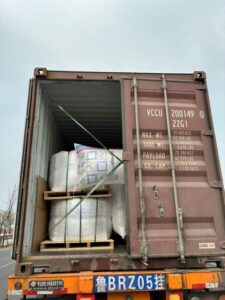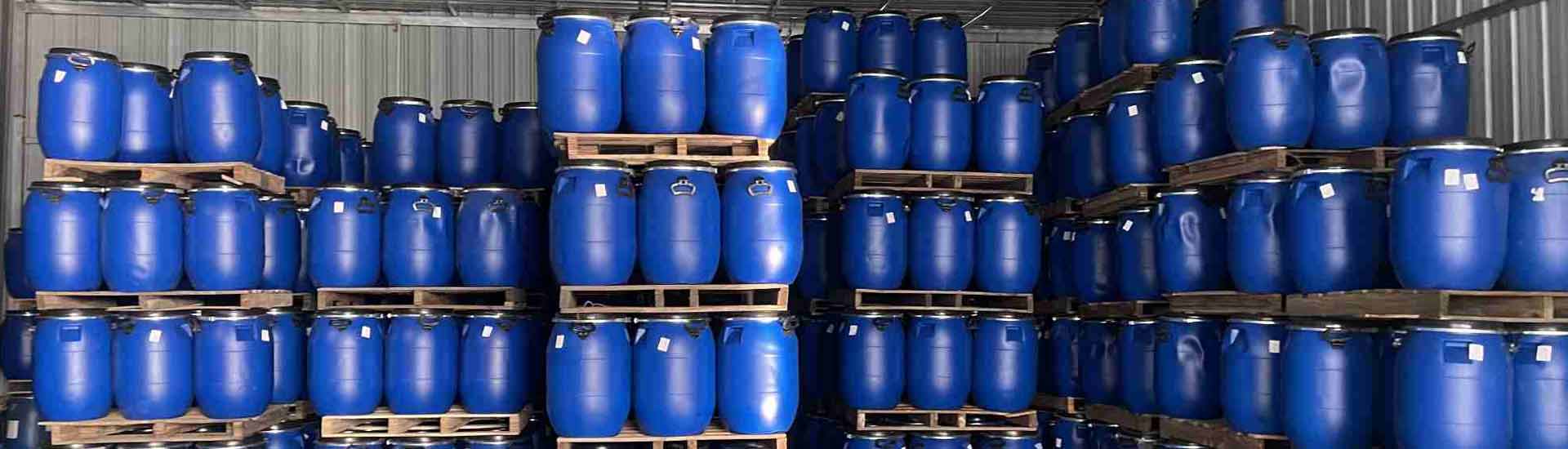
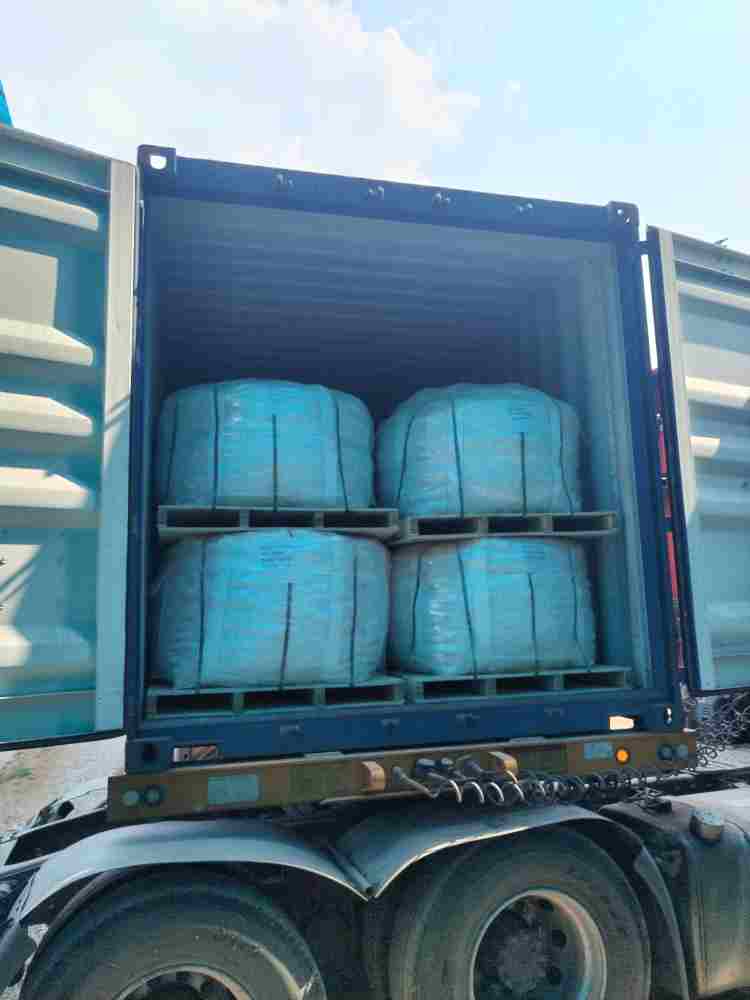
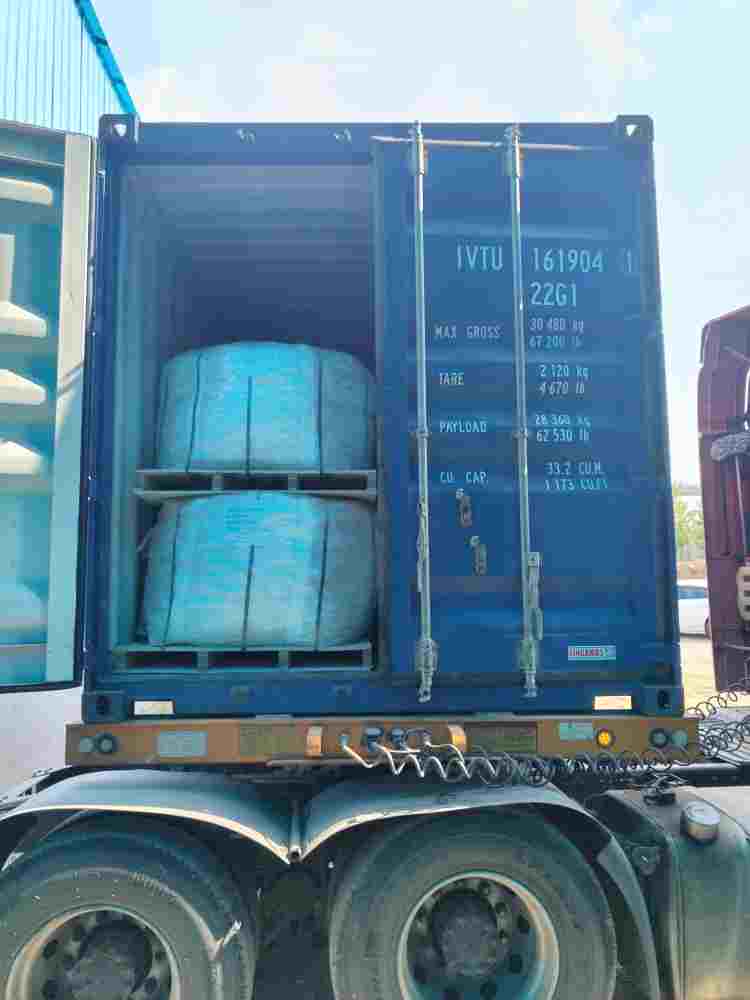
Zhongci Alumina Grinding Ball 26 Ton was well loaded on May 26th, ready to ship to Russia. This customer is very satisfactory with our products, and keep working with us for many years.
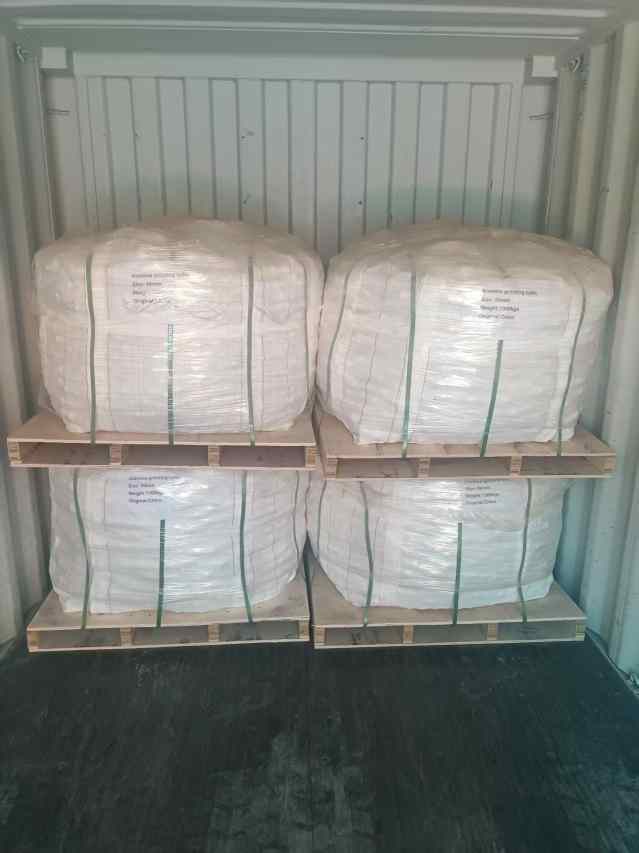
Alumina Grinding Ball
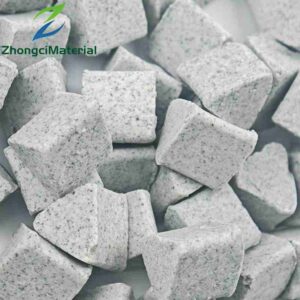
Alumina grinding ball is a non-metallic grinding medium widely used in industrial grinding. It has many physical and chemical advantages that are different from metal grinding balls. Today, I will introduce its features and applications.
It is made from high-purity alumina powder through isostatic pressing and high-temperature sintering. The density of 92 alumina balls is about 3.6, the Mohs hardness is 9, the water absorption rate is close to 0, and the self wear is 0.01%. It is precisely because of the above characteristics that alumina grinding balls are widely-use in precision grinding in various industries, so we list them below:
Glass grinding, firstly, the hardness of glass is very high. Ordinary grinding media have limited processing capacity, and excessive impurities can greatly reduce the quality of glass, resulting in poor finished glass quality and inability to produce high-quality products. Aluminum oxide grinding balls can effectively solve this problem.
Timely grinding also has high hardness, especially for high white quartz, which requires high whiteness. The color of alumina is white, which solves the grinding problem of high white quartz from multiple aspects.
Lithium battery grinding is an emerging sunrise industry, and alumina grinding balls can showcase their powerful capabilities through their own materials. We know that lithium battery materials are very sensitive to iron, so metal grinding cannot use inside. Non metallic grinding media, such as alumina grinding balls, have high efficiency, making them unacceptable grinding materials for people.
The above content briefly introduces the characteristics and applications of alumina grinding balls. The ceramic industry has become a popular industry that has developed in recent years. Alumina ceramic grinding balls characterize by low wear, low thermal conductivity, and density. Therefore, it has good performance in the two-stage grinding of water mills. Especially in terms of energy conservation, consumption reduction, and improving product quality.