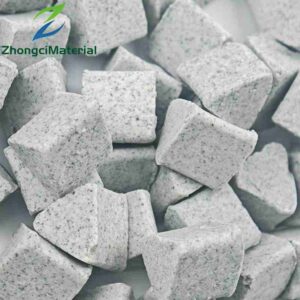
What is zeolite molecular sieve? To answer this question, we first need to know what molecular sieve is. Molecular sieve is a type of adsorbent or thin film material mainly composed of silicon, aluminum, oxygen, and other metal cations with uniform micropores. Its pore size is equivalent to that of ordinary molecules. Moreover, various fluid molecules are screened based on its effective pore size. Zeolite molecular sieve refers to natural and artificially synthesized crystalline aluminosilicates with molecular sieving properties.
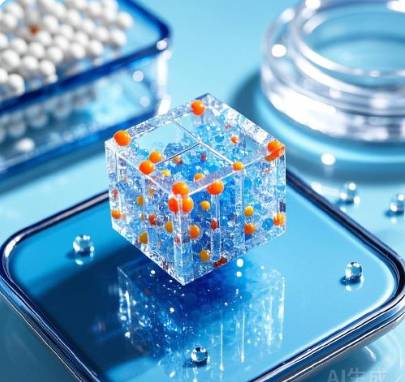
methods for synthesizing zeolite molecular sieves
There are four main methods for synthesizing zeolite molecular sieves:
- Solvothermal synthesis method
Specifically, the precursor of synthesized zeolite molecular sieves is pre dispersed in a water (solvent) solution, and then subjected to nucleation, growth, crystallization and other processes at a certain temperature and self generated pressure to form zeolite molecular sieve. - Gas phase synthesis method
The vapor phase synthesis method is to prepare the precursor of zeolite molecular sieves without template into dry gel, and then convert it into zeolite molecular sieve through a certain temperature under the atmosphere of a small amount of water and organic amine as liquid components. - Dry gel gel method
The dry gel gel method is to fully mix a certain amount of zeolite synthesis raw materials, template and deionized water, filter and wash them to obtain amorphous gel, dry them into dry powder after the formation of gel, and complete the synthesis in the steam atmosphere. - Ionic thermal synthesis method
Ionic thermal synthesis is a method of synthesizing using ionic liquids or low melting point mixtures as both solvents and templates for the synthesis reaction. The principle of this method is the same as that of hydrothermal synthesis.
If you have any interests, please do not hesitate to contact our Zhongci sales team. We will offer you professional solutions. For better knowing our products, you please can visit our alibaba website: