Introduction:
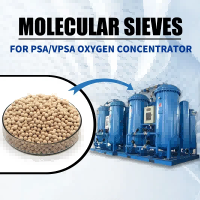
In today’s world, the demand for high-quality oxygen is increasing rapidly due to its wide range of applications in various industries, including medical, industrial, and research sectors. Molecular sieve technology has emerged as an efficient and reliable method for producing pure oxygen. Among the various types of molecular sieves available, 5A molecular sieve stands out for its exceptional performance and versatility. In this article, we will delve into the secrets of filling 5A molecular sieve to optimize oxygen production.
1.Understanding 5A Molecular Sieve:
5A molecular sieve is a synthetic zeolite with a unique pore structure that allows it to selectively adsorb molecules based on their size. The “5A” designation refers to the approximate diameter of the pores, which is around 5 angstroms (0.5 nanometers). This pore size enables the sieve to efficiently separate nitrogen from oxygen, resulting in a high purity of oxygen.
2. Preparation of the Container:
Before filling the 5A molecular sieve, it is essential to prepare the container properly. The container should be thoroughly cleaned and dried to eliminate any impurities or moisture that could affect the performance of the molecular sieve. Additionally, the container should be inspected for any cracks or leaks that could compromise the integrity of the oxygen production process.
3.Choosing the Right Type of 5A Molecular Sieve:
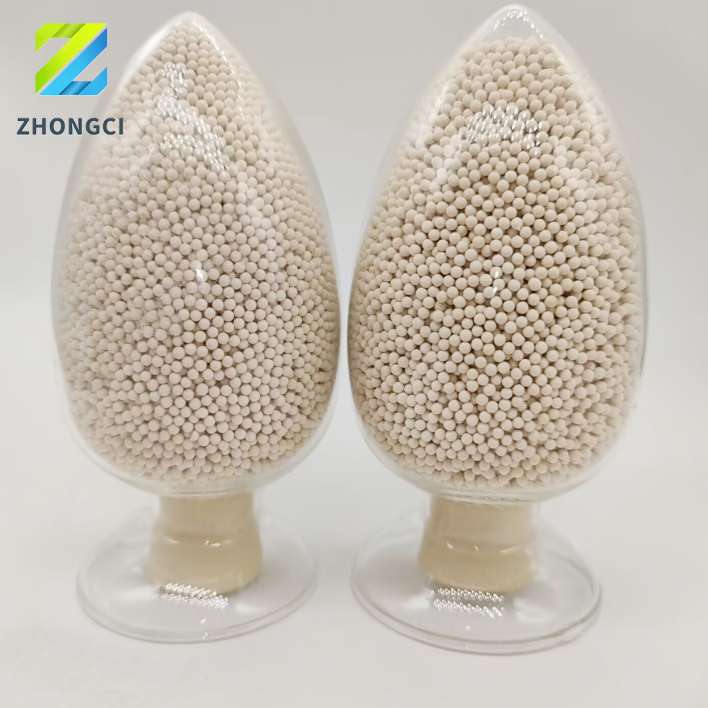
There are different grades and forms of 5A molecular sieve available in the market. It is crucial to select the appropriate type based on the specific requirements of the oxygen production process. For instance, if the process involves high temperatures, a thermally stable grade of 5A molecular sieve should be chosen. Similarly, if the process requires a large surface area for efficient adsorption, a granular form of the sieve may be more suitable.
4. Proper Filling Technique:
The key to successful filling of 5A molecular sieve lies in the technique employed. The sieve should be gently poured into the container, ensuring that no air pockets are formed. This can be achieved by using a funnel or a specially designed filling tool. Once the container is filled, it should be tapped gently to settle the sieve evenly and eliminate any air pockets.
5.Monitoring and Maintenance:
After filling the 5A molecular sieve, it is important to monitor the performance of the oxygen production process regularly. This includes checking the purity of the oxygen output, as well as the pressure and temperature within the container. Any deviations from the expected parameters should be investigated promptly to prevent potential issues. Furthermore, regular maintenance of the molecular sieve, such as regeneration and replacement, is necessary to ensure optimal performance and longevity.
Conclusion:
Filling 5A molecular sieve for oxygen production is a critical step in the overall process, as it directly impacts the efficiency and purity of the oxygen output. By following the aforementioned secrets and best practices, manufacturers and operators can optimize the performance of their oxygen production systems and achieve superior results. As the demand for high-quality oxygen continues to grow, understanding and implementing these techniques will become increasingly important in the industry.