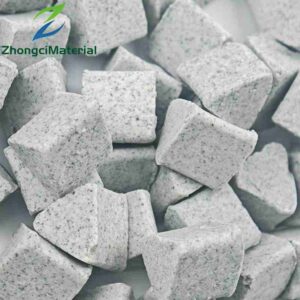
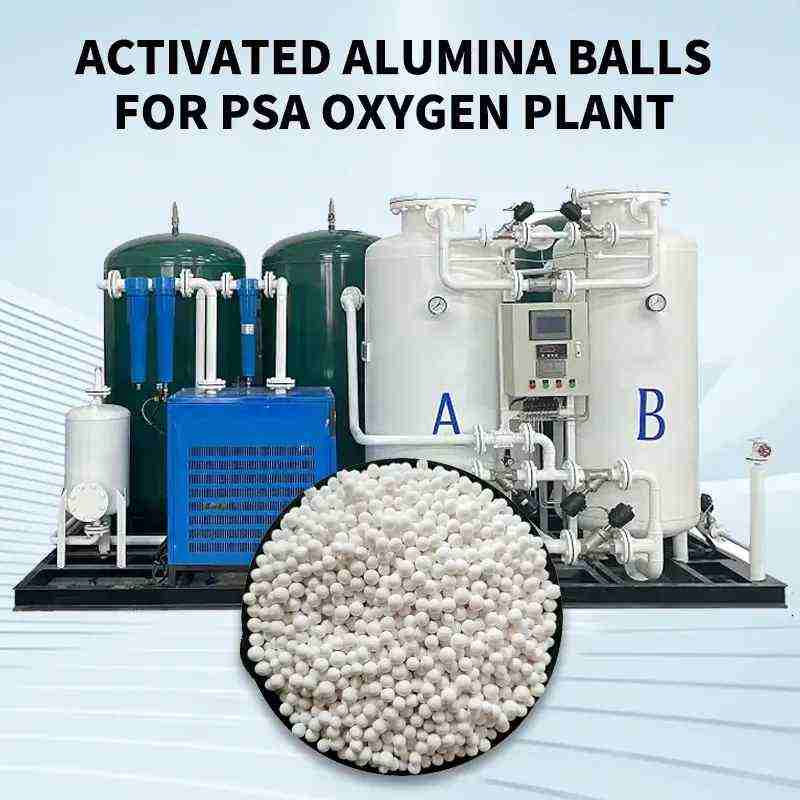
Activated alumina adsorbents, also known as activated aluminum oxide, is a highly porous and chemically inert material widely used in various industrial applications, including water purification, air filtration, and chemical processing. Its exceptional adsorption properties make it an ideal choice for removing impurities and contaminants from different media. In this article, we will delve into the production process of activated alumina adsorbents, exploring the key steps involved in creating this versatile material.
Step 1:
Raw Material Preparation The production of activated alumina begins with the selection of high-quality raw materials, primarily bauxite ore. Bauxite is a naturally occurring mineral rich in aluminum oxide (Al2O3), which serves as the primary source for manufacturing activated alumina. The bauxite ore is carefully source to ensure its purity and suitability for the intended application.
Step 2:
Calcination Once the bauxite ore obtained, it undergoes a process called calcination. During this step, the bauxite heated in a controlled environment to remove impurities and transform it into pure alumina. The calcination process typically takes place at temperatures ranging from 900°C to 1,100°C, depending on the desired properties of the final product.
Step 3:
Activation After calcination, the alumina undergoes activation, a critical step in the production process that significantly enhances its surface area and adsorption capacity. Activation achieved through a process called activation sintering, where the alumina exposed to a combination of high temperature and steam. This treatment creates a network of interconnected pores within the alumina particles, increasing their surface area and improving their ability to adsorb various substances.
Step 4:
Sizing and Classification Following activation, the activated alumina subjected to sizing and classification processes to achieve the desired particle size distribution. This step ensures that the final product meets specific application requirements, such as filter media or catalyst support. Various screening and classification techniques, such as sieving, air classification, and hydrocycloning, are to separate the activated alumina particles into different size fractions.
Step 5:
Surface Modification In some cases, additional surface modification may be to tailor the properties of the activated alumina for specific applications. This can involve coating the alumina particles with a thin layer of another material, such as silica or titania, to enhance their adsorption or catalytic capabilities. Surface modification techniques often employ chemical or physical methods, such as sol-gel deposition or plasma treatment.
Step 6:
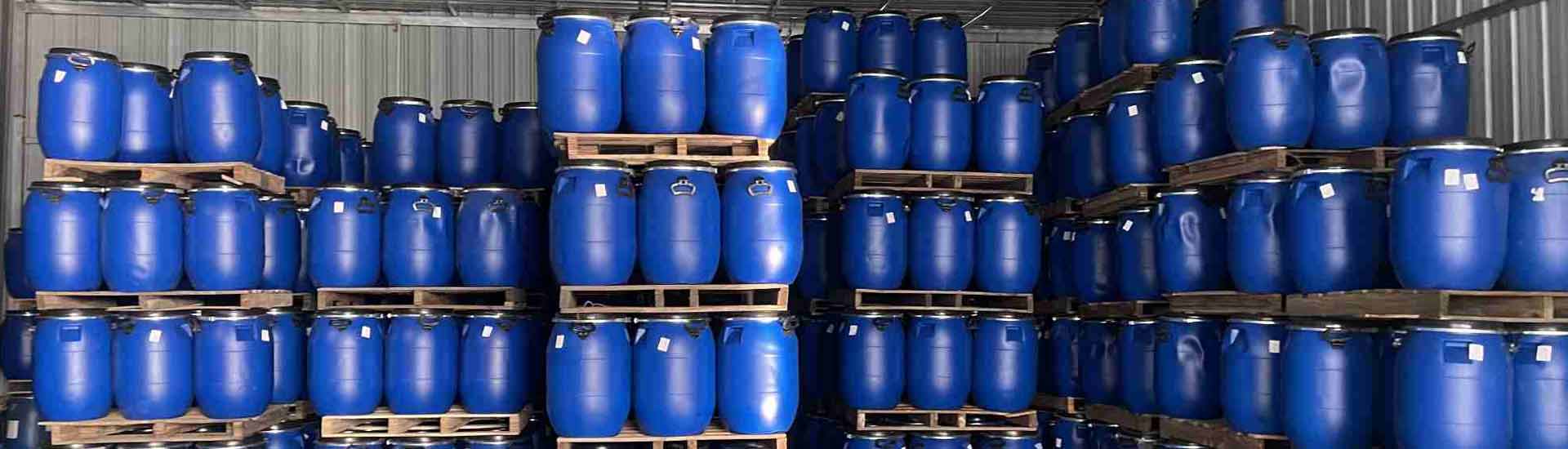
Drying and Packaging Finally, the activated alumina adsorbents are dried to remove any residual moisture and ensure optimal performance. Once dried, the material is packaged and stored under controlled conditions to maintain its integrity and adsorption capacity until it is ready for use.
Conclusion
The production of activated alumina adsorbents involves a series of meticulous steps, from raw material preparation to surface modification and packaging. Each stage plays a crucial role in shaping the final product’s properties and ensuring its effectiveness in various industrial applications. As technology continues to advance, new methods and techniques may emerge to further optimize the production process and enhance the performance of activated alumina adsorbents.