Replacement of molecular sieves is necessary. Can molecular sieves replace if they fail for a long time? Of course, this is possible.
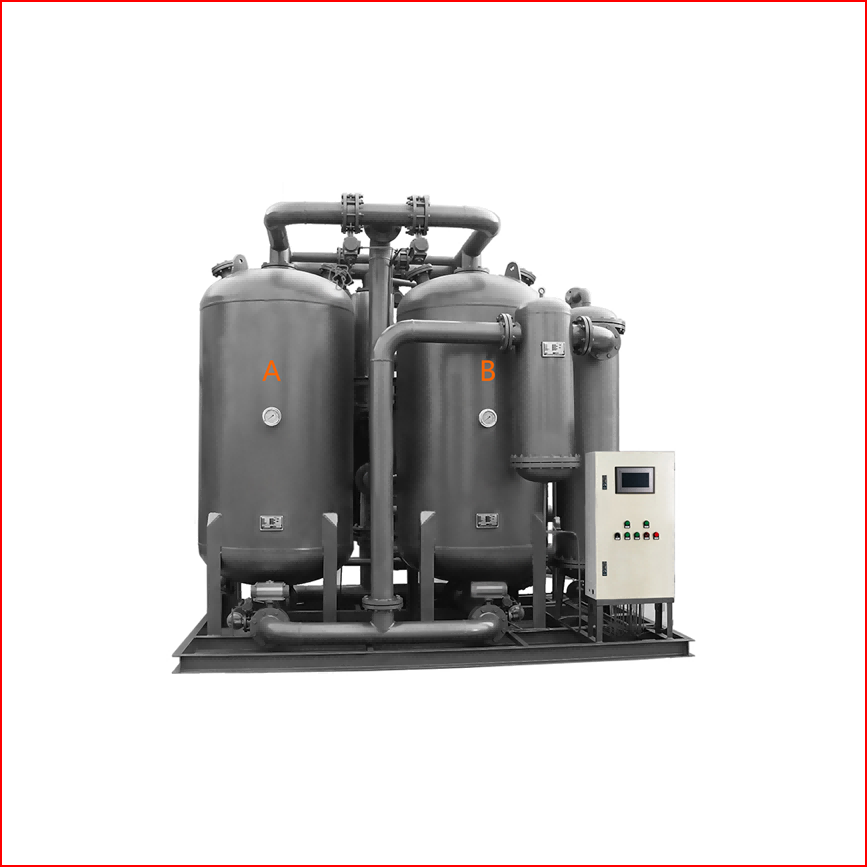
Molecular sieve is an important component of oxygen generator, mainly responsible for air separation.
Therefore, the performance of molecular sieves directly determines the oxygen concentration and stability of the oxygen generator.
Good molecular sieves mainly import from the United States and France, but there is a disagreement on which one is better.
Currently, the best imported oxygen generators are those from the United States.
The lifespan of molecular sieves is related to daily use.
The temperature, humidity, and dust in the air can contaminate molecular sieves and reduce their adsorption capacity, so caution must be in a clean indoor environment. Clean the primary filter weekly and replace the secondary filter within approximately 1000 hours to prevent dust from entering the molecular sieve. Similarly, do not use oxygen concentrators in environments with high humidity. For example, bathrooms and toilets are too humid to use oxygen generators.
Recognizing the above content, the lifespan is slightly different. For example, a typical domestic molecular sieve has a lifespan of 12000 hours, while a regular imported molecular sieve has a lifespan of 18000 hours. The imported molecular sieves use in oxygen generator can reach more than 3 hours. Therefore, under normal operating conditions, if oxygen is inhale for 6 hours a day, a typical household oxygen generator can last for 5 to 6 years, while an oxygen generator can last for more than 10 years.
how can carbon molecular sieves be poisoned
Chemically speaking, chlorine gas, hydrogen chloride, and carbon do not react at room temperature. And it is chlorine gas in the air, with trace amounts of hydrogen chloride. So how can carbon molecular sieves be poisoned? My understanding is that from the structure of carbon molecular sieve, it has many micropores. We also know that micropores are afraid of blocked. In addition, we also know that chlorine gas and hydrogen chloride can react with solid particles in dust in the air and deposit on the surface of carbon molecular sieves. Although the daily amount is small, over the years, the surface of carbon molecular sieves is covered by sediment. When a large amount of carbon molecular sieves slowly block the pores, it is “poisoning”.
Say it again. The molecular sieve used in the air separation unit purifier or PSA oxygen production unit is zeolite molecular sieve (the former uses 13X, while the latter uses 5A or 13X). In those two devices, zeolite molecular sieves can only be “poisoned” by oil contamination, and the essence is not a chemical reaction between oil and molecular sieves. But the mixture of oil and dust blocked the surface pores of the molecular sieve. It is a chemical ‘false poisoning’. However, there has been a false poisoning of zeolite molecular sieves in the device, and there is no way to deal with it (you cannot clean each molecular sieve one by one with solvent oil). Only by replacement of the molecular sieves with a new one.