Activated molecular sieve powder is a crucial material with wide – ranging applications in various industries. Thus, this article will introduce its production process in detail.
1. Synthesis of Molecular Sieve Raw Powder
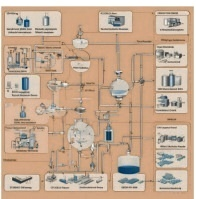
The synthesis of molecular sieve raw powder is the first key step. What’s more, it is under hydrothermal conditions using silicon compounds (such as silica sol, sodium silicate), aluminum compounds (such as activated alumina, aluminum salts), alkalis (such as sodium hydroxide), and template agents. Hence, the specific process includes several stages:
- Aluminum Sodium Preparation: Prepare an aluminum – sodium solution and adjust its concentration to meet the requirements of molecular sieve raw powder synthesis by adding a certain amount of mother liquor. Then, the aluminum – sodium solution after two – stage filtration is for the subsequent synthesis process.
- Synthesis: In the synthesis section, there are six types of feedstocks: liquid alkali, sodium aluminate, mother liquor, water glass, water, and directing agent. So, these six feedstocks are proportionally fed into the synthesis tank according to the production process and stirred for about 1 hour.
- Aging and Crystallization: After the stirring of the slurry in the synthesis tank is completed, it is pump into the crystallization tank. Steam is introduced for heating under stirring. Moreover, the heating temperature and the time of aging and crystallization are controlled according to the process requirements. While, after the reaction complete, the slurry is discharge into the buffer tank under stirring.
- Mother Liquor Separation and Washing: The slurry is into solid and liquid phases by a filter, and the filtrate is collecte. The filter cake wash and dehydrate by air pressure. However, when the attached water content reaches 30 – 32%, the air pressure stopped, and the filter cake enters the filter cake transfer bin.
- Drying and Packaging: The dehydrated filter cake enters the filter cake transfer bin and is dry by a flash dryer to obtain the finished product.
2. Activation of Molecular Sieve Powder
After obtaining the molecular sieve raw powder, it needs to be activate to become an active molecular sieve powder. Moreover, the activation process is carry out in a high – temperature activation furnace. The specific steps are as follows:
- Raw Powder Conveyance: The molecular sieve raw powder is a powdery solid with a certain amount of water. It is transfer through a fully – enclosed system with a dust – removal device .
- First – stage Impurity Removal: Large solid particles in the molecular sieve powder are remove mainly by sieving.
- Low – temperature Drying: Since the raw powder has a high water content, the attached water is remove through low – temperature drying. The heat source comes from dry hot air.
- High – temperature Roasting: The dried powder enters the high – temperature furnace. The high – temperature furnace heats up in stages, using gas heating and blowing hot air. This process removes most of the water in the pores of the molecular sieve, making it have a highly active adsorption space.
- Second – stage Impurity Removal: Iron filings and other impurities brought into the system are remove mainly by an iron remover. The impurity – remove product enters the finished – product transfer barrel.
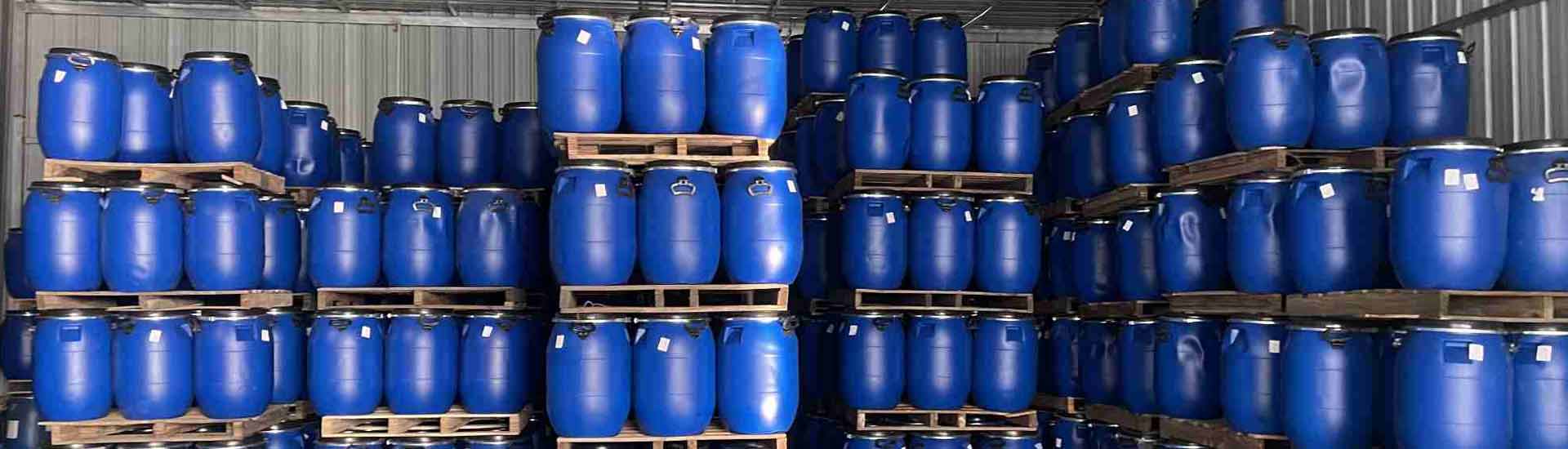
- Finished – product Packaging: The material in the finished – product transfer barrel is package and store in the warehouse after its temperature drops to a certain level.
3. Features of the Production Process
The production of molecular sieve powder consumes a large amount of basic chemicals and purified water and generates a large amount of waste liquid and sewage. Therefore, raw water purification and sewage treatment devices require to ensure environmental protection and resource utilization.
In summary, the production of activated molecular sieve powder is a complex process that requires strict control of various parameters and conditions to ensure the quality and performance of the product. The produced molecular sieve powder can be as an efficient adsorbent or catalyst in many fields, such as petroleum refining, petrochemical industry, and coal chemical industry