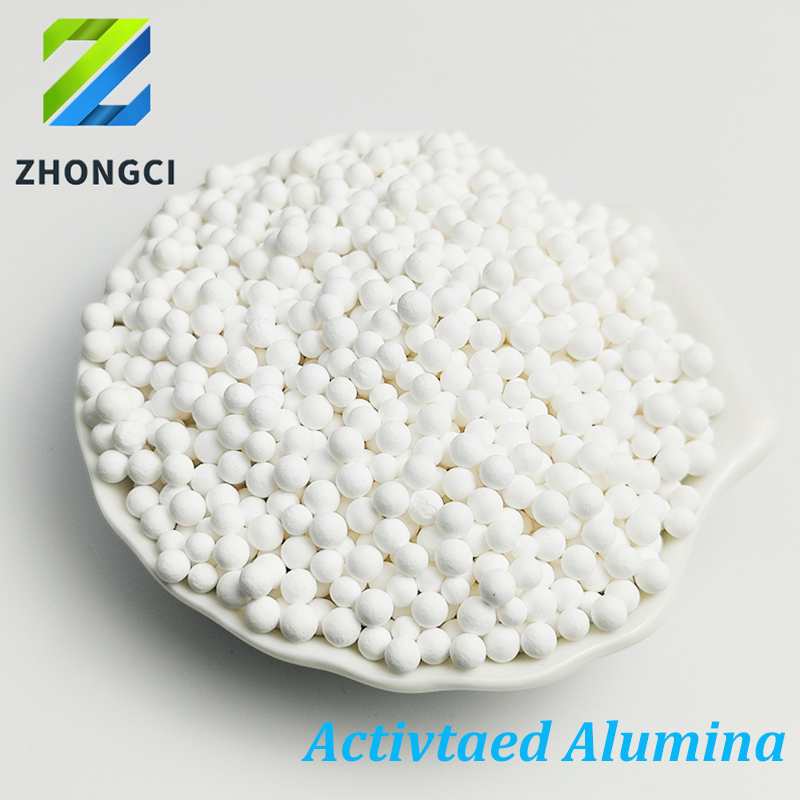
Phosphorus removal activated alumina is a type of adsorbent material to remove phosphorus from wastewater and other water sources. It made by treating aluminum hydroxide with an activating agent, such as sulfuric acid or sodium hydroxide, which increases its surface area and adsorption capacity.
The Process of phosphorus removal activated alumina
The process of removing phosphorus using activated alumina involves several steps:
- Mixing: The activated alumina mixed with the water containing phosphorus. This allows the material to come into contact with the phosphorus and begin the adsorption process.
- Adsorption: As the activated alumina comes into contact with the phosphorus, it binds to the ions and forms a solid precipitate. This process continues until the phosphorus concentration in the water reaches a certain level, at which point the adsorption capacity of the alumina exhausted.
- Separation: Once the phosphorus removed from the water, the activated alumina must separated from the treated water. This can be through filtration, sedimentation, or centrifugation.
- Regeneration: After separation, the spent activated alumina regenerated by treating it with an appropriate chemical solution. This process releases the bound phosphorus and restores the material’s adsorption capacity, allowing it reused for further phosphorus removal applications.
Activated alumina is an effective and cost-efficient method for removing phosphorus from water, making it a popular choice for wastewater treatment plants and other industrial applications. Its ability to be regenerated and reused also makes it an environmentally friendly option for managing phosphorus pollution.