1. Introduction
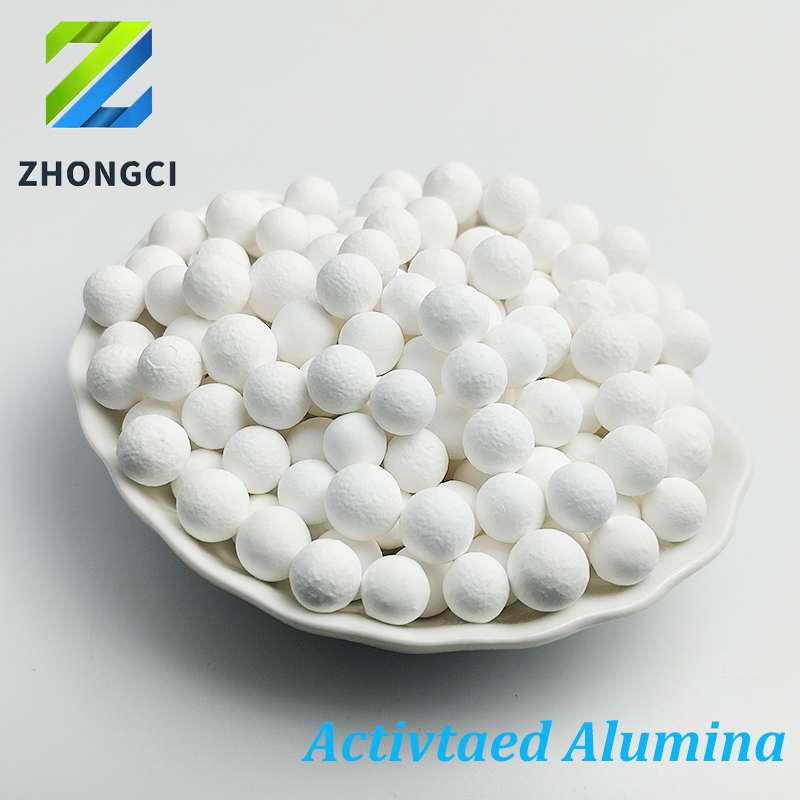
Phosphorus Removal Activated Alumina (AA), specifically engineered for phosphorus removal, is a highly porous, granular form of aluminum oxide (Al₂O₃) with exceptional adsorption capacity for phosphate anions (PO₄³⁻) from aqueous solutions. It functions as a robust, selective adsorbent in wastewater treatment systems, particularly effective for low-concentration phosphate removal where biological methods may be insufficient. Its chemical stability and regenerability make it a sustainable choice for tertiary treatment.
2. Mechanism of Phosphorus Removal Activated Alumina
The primary removal mechanism involves ligand exchang and surface complexation:
- Ligand Exchange: Surface hydroxyl groups (-OH) on activated alumina react with phosphate ions in water, forming stable inner-sphere complexes (e.g., ≡Al-OPO₃²⁻). This chemisorption is highly selective for phosphate over common anions like sulfate or chloride .
- Electrostatic Attraction: The alumina surface develops a positive charge in neutral to slightly acidic conditions (optimal pH range: 5.5–6.5), attracting negatively charged phosphate ions.
- Chemical Precipitation: Trace dissolved aluminum from the AA surface may react with phosphate, forming insoluble aluminum phosphate (AlPO₄) precipitates, contributing to removal.
3. Key Advantages
- High Adsorption Capacity: Significantly outperforms many natural materials (e.g., unmodified zeolites). While capacities vary, engineered AA can achieve 15–30 mg PO₄/g under optimal conditions, far exceeding natural zeolite’s typical <1 mg PO₄/g.
- Selectivity: Effective in complex wastewater matrices, preferentially adsorbing phosphate even in the presence of competing ions (though high sulfate can reduce efficiency).
- Physical Robustness: High mechanical strength and abrasion resistance suit continuous-flow filters and fluidized beds.
- Regenerability: Exhausted AA can be regenerated multiple times using strong alkalis (e.g., NaOH solution, 2–4%) followed by acid rinse, restoring most adsorption capacity and reducing operational costs.
- Tertiary Treatment Suitability: Ideal for polishing effluent after biological treatment (e.g., post-A²/O process) to achieve very low phosphorus levels (<0.1 mg/L).
4. Comparison with Other Phosphorus Removal Materials
| Material | Primary Mechanism | Typical PO₄ Capacity | Key Features |
|---|---|---|---|
| Activated Alumina | Adsorption (Ligand Exchange) | 15-30 mg/g | High selectivity, regenerable, robust |
| Blast Furnace Slag | Precipitation/Adsorption | Variable (lower than AA) | Low-cost byproduct, used in filters |
| Lanthanum-Modified Zeolite | Adsorption | ~9 mg/g | High specificity, but higher cost |
| Ferric Salts (e.g., FeCl₃) | Chemical Precipitation | N/A (dosing dependent) | Effective but adds sludge, operational cost |
5. Application in Treatment Systems
- Filter Configuration: Typically packed in fixed-bed columns or pressure filters. Contaminated water flows through the bed, with phosphate adsorbed onto the AA granules.
- Operational Parameters:
- pH: Critical for performance. Optimal range is 5.5–6.5. Lower pH enhances positive surface charge but risks aluminum dissolution; higher pH reduces adsorption.
- Empty Bed Contact Time (EBCT): Usually 5-20 minutes, depending on influent P concentration and desired effluent quality.
- Hydraulic Loading Rate: Typically 2-10 m³/m²/h.
- Regeneration Cycle: Implemented when effluent P exceeds target. Alkali strip (NaOH) releases phosphate, followed by acid neutralization (e.g., H₂SO₄) to reactivate the surface.
6. Limitations and Considerations
- pH Sensitivity: Requires monitoring and potential adjustment for consistent performance.
- Competing Anions: High concentrations of sulfate, fluoride, or organic acids can reduce phosphate adsorption capacity.
- Regeneration Waste Stream: Spent regenerant (alkali + concentrated phosphate) needs appropriate treatment or resource recovery (e.g., struvite precipitation).
- Initial Cost: Higher capital cost compared to some chemical precipitation agents, offset by regeneration and reuse.
7. Conclusion
Activated Alumina is a proven, efficient, and regenerable technology for advanced phosphorus removal in wastewater treatment, particularly suited for achieving stringent effluent limits. Its high selectivity, physical durability, and potential for long-term reuse through regeneration make it a valuable solution for municipal and industrial applications where reliable, low-residual phosphorus levels are required. Its performance complements or surpasses alternative methods like slag filters or chemical precipitation, offering a robust engineered adsorption approach.