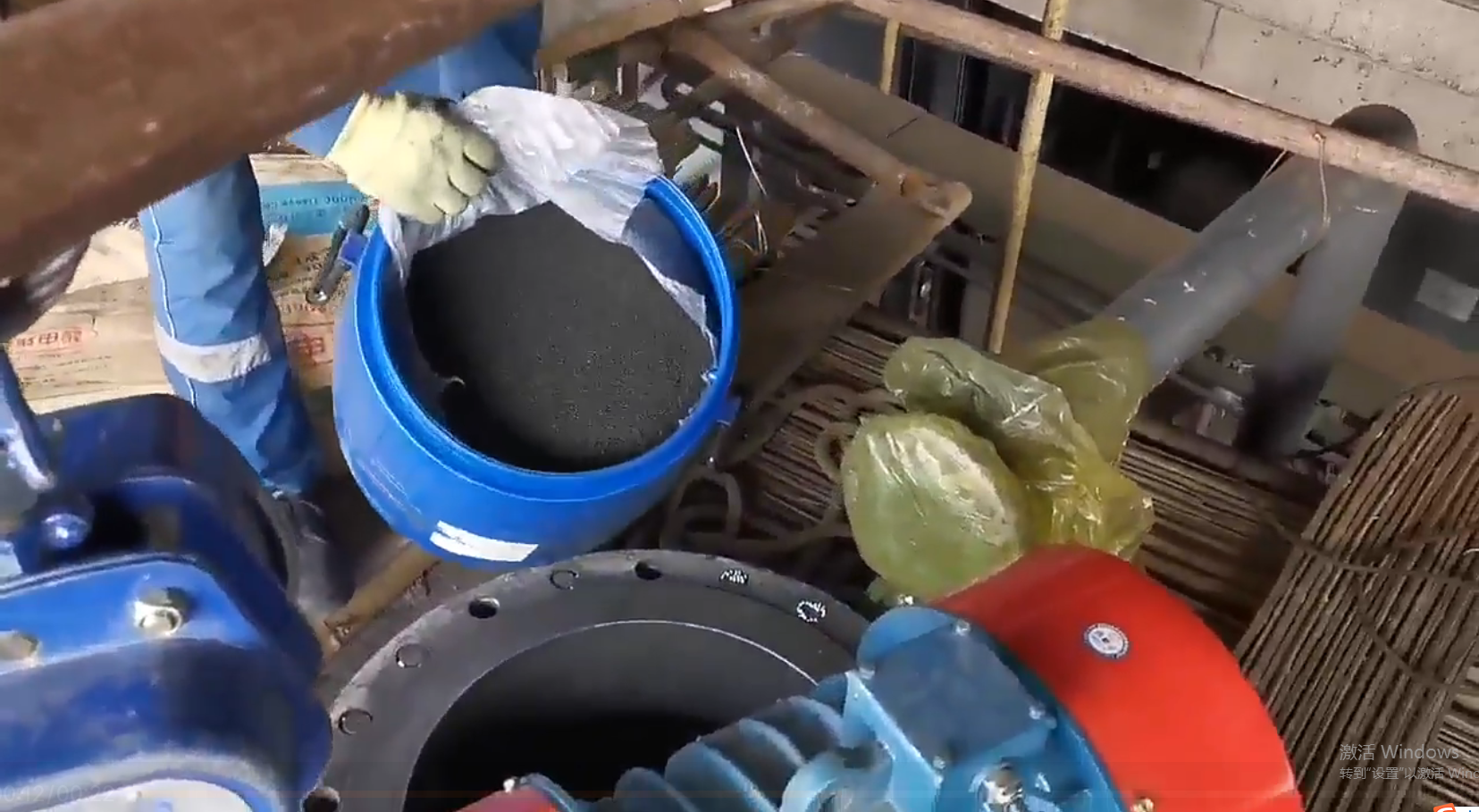
1. PSA nitrogen generator production method
As for PSA nitrogen generator, carbon molecular sieves can simultaneously adsorb oxygen and nitrogen from the air, and their adsorption capacity increases with increasing pressure.
There is no significant difference in the equilibrium adsorption capacity of oxygen and nitrogen at the same pressure.
Therefore, it is difficult to effectively separate oxygen and nitrogen solely by changing the pressure.
Further consideration of adsorption rate can effectively distinguish the adsorption characteristics of oxygen and nitrogen.
Due to the smaller diameter of oxygen molecules compared to nitrogen molecules, the diffusion rate is hundreds of times faster than that of nitrogen.
Therefore, the adsorption rate of oxygen by carbon molecular sieves is very fast, with an adsorption rate of over 90% in about 1 minute.
At this time, the amount of nitrogen adsorbed is only about 5%, so most adsorbs by oxygen, and the rest is mostly nitrogen.
In this way, if the adsorption time is within 1 minute, oxygen and nitrogen can separate in advance.
In other words, adsorption and desorption occur through pressure differences, with adsorption occurring when pressure rises and desorption occurring when pressure drops.
The difference between oxygen and nitrogen depends on the difference in their adsorption rates.
This is by controlling the adsorption time.
Therefore, pressure swing adsorption for nitrogen production requires a change in pressure, and the time should be within 1 minute.
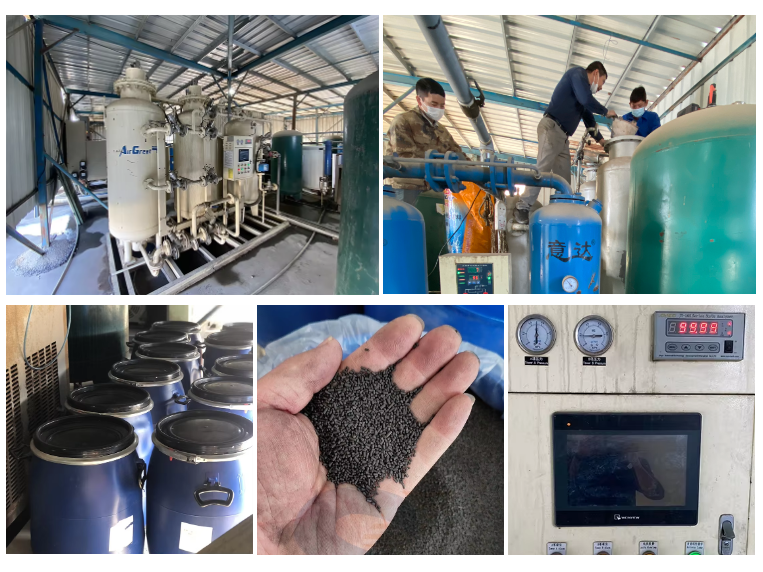
2. Low temperature nitrogen production method
Ultra low temperature nitrogen production can not only produce nitrogen, but also produce liquid nitrogen, meeting the technical requirements for liquid nitrogen, and can store in liquid nitrogen storage tanks.
If there is intermittent nitrogen filling or minor maintenance in the air separation unit, it will heat into the vaporizer in the liquid nitrogen storage tank and then supply to the product nitrogen pipeline to meet the nitrogen demand of the process equipment.
Low temperature nitrogen production is usually not standby, as the operating cycle of low-temperature nitrogen production (see the interval between two large heating cycles) is usually one year or longer.
But pressure swing adsorption nitrogen production can only produce nitrogen without backup means, and a single set of equipment cannot guarantee long-term continuous operation.
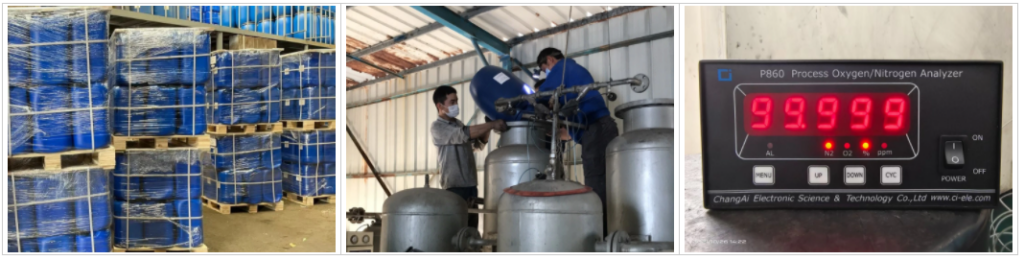
3. Membrane nitrogen production method
The air compressed and filtered by the compressor before entering the polymer membrane filter. Due to the different solubility and diffusion coefficients of different gases in the membrane, the relative permeability of different gases in the membrane will also vary. Due to this characteristic, various gases can be into “high-speed gases” and “low-speed gases”.
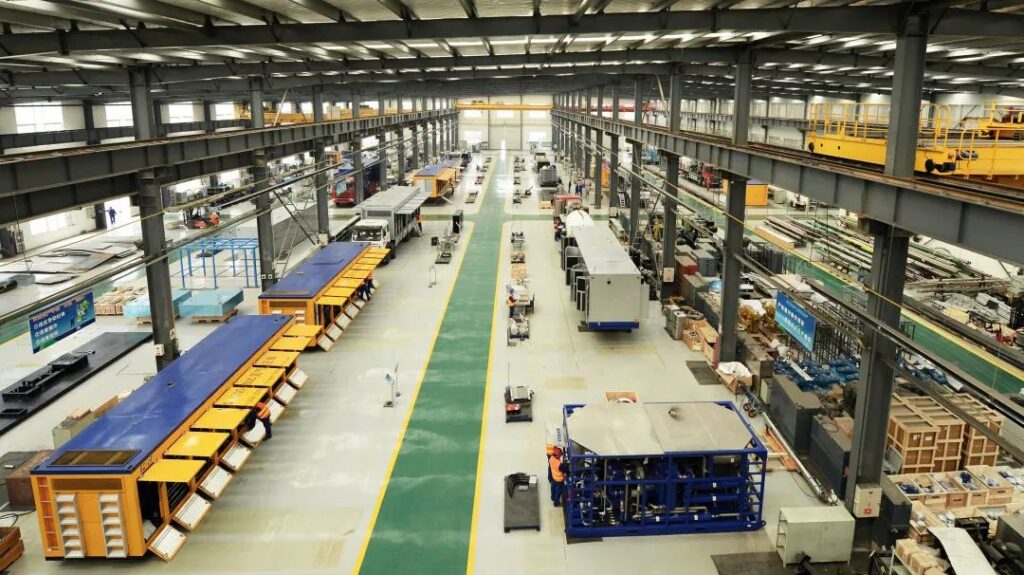
When the mixed gas is subjected to the pressure difference on both sides of the membrane, gases with relatively fast permeation rates such as water, hydrogen, helium, hydrogen sulfide, carbon dioxide, etc. pass through the membrane and concentrate on the permeation side of the membrane. Membrane has a relatively high transmission speed. Slow gases such as methane, nitrogen, carbon monoxide, and argon are retained on one side of the concentration membrane for separating mixed gases.