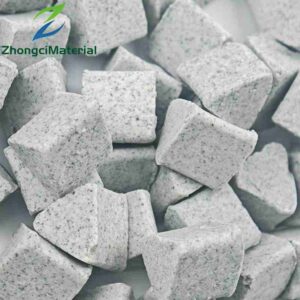
The pore size of 4A molecular sieve is 4A.
It adsorbs water, methanol, ethanol, hydrogen sulfide, sulfur dioxide, carbon dioxide, ethylene, and propylene.
But it does not adsorb any molecules with a diameter greater than 4A (including propane).
Its selective adsorption performance for water is higher than any other molecule.
It is one of the most widely used molecular sieve varieties in industry.
4A molecular sieve, also known as sodium A-type molecular sieve, has a pore size of 4A and a chemical formula of Na2O · Al2O3 · 2SiO2 · 4.5H2O.
Its silicon aluminum ratio (SiO2/Al2O3) is about 2.
And it can adsorb water, methanol, ethanol, hydrogen sulfide, sulfur dioxide, carbon dioxide, chloromethane, bromomethane, ethane, acetylene, ethylene, propylene, ammonia, etc.
It does not adsorb any molecules with a diameter greater than 4A (including propane) and has higher selective adsorption performance for water than any other molecules.
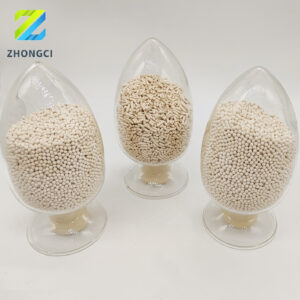
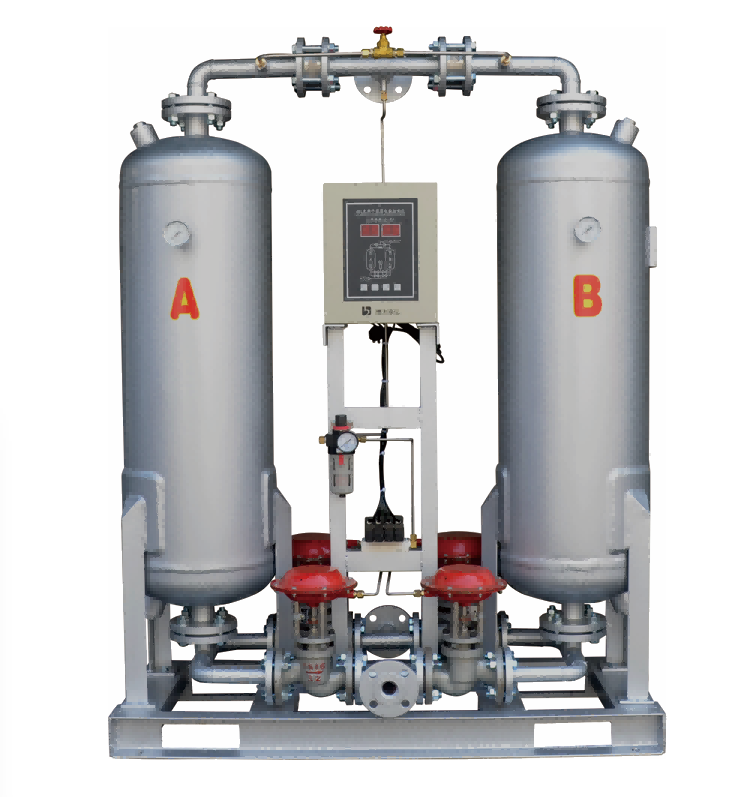
Applied to deep drying of various gases and liquids, as well as static drying of electronic components, dehydration of coatings and plastic systems, purification of certain gases, etc.
Dehydration regeneration: depends on the temperature, pressure, and moisture content of the regenerated gas.
In general, dry gas at 200-350 ℃ under a pressure of 0.3-0.5Kg/cm2 passes through a molecular sieve bed for 3-4 hours to reach an outlet temperature of 110-180 ℃, and then cooled.
Organic matter regeneration: Replace organic matter with steam and then remove water.
Deep drying of gases and liquids such as air, natural gas, alkanes, refrigerants, etc
Static drying of drug packaging, electronic components, and perishable substances
Avoid adsorbing water and organic matter before use, otherwise it should regenerate.