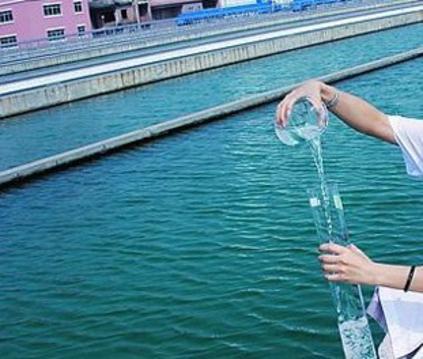
activate alumina is as an adsorbent for defluorination agents
At present, the treatment methods for fluoride include adsorption filtration, coagulation precipitation, ion exchange, and electrodialysis.
Common adsorption and filtration adsorbents include activated alumina, ash, activated carbon, aluminum hydroxide, etc.
In areas where fluoride levels exceed the national drinking water hygiene standards, villagers drink high fluoride water for long periods of time. It results in mild plaque and joint pain, severe bone damage to bone development, digestive disorders, and neurological diseases.
What’s more, currently, over 77 million people in China drink high fluoride water on a long-term basis.
Medical research has shown that long-term consumption of high fluoride water can lead to fluorosis.
And seriously ill patients will lose their ability to work, bringing a heavy burden to their families and society.
Nowadays, relevant departments are paying more and more attention to these issues and have taken some effective preventive measures.
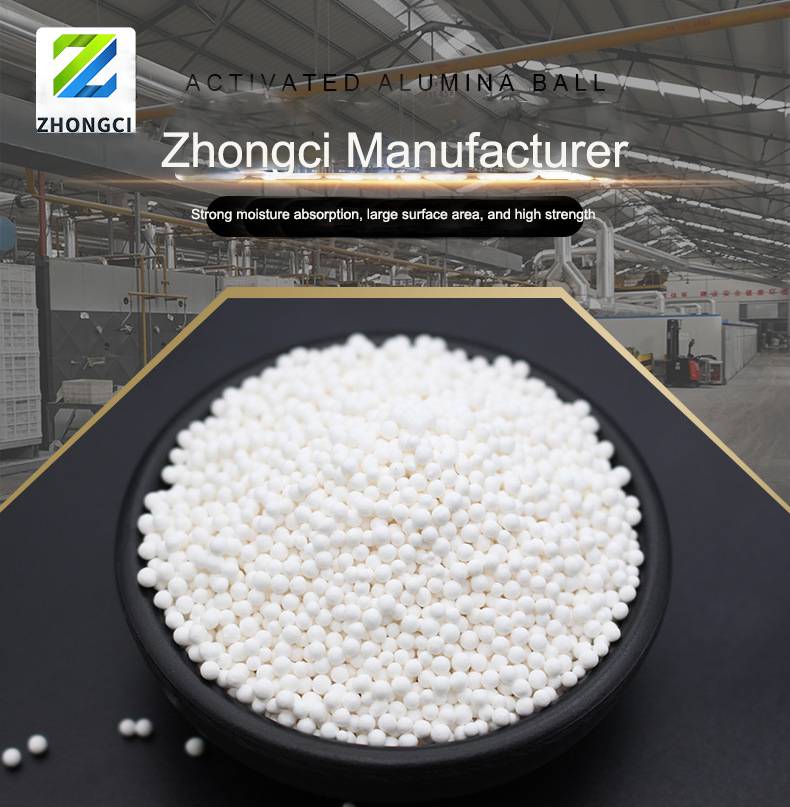
The data shows that activated alumina is as an adsorbent for defluorination agents.
Moreover, due to the larger surface area of activated alumina compared to conventional adsorbents, it has ion exchange properties in water. The filtering material does not compact, and it has strong adsorption capacity.
However, there are not many specific examples. We have been exploring for many years the use of adsorption filtration method, using activated alumina as adsorbent and aluminum sulfate as regenerant for defluorination water supply.
Therefore, when using adsorbents to remove fluoride, a small amount of active aluminum should be selected in combination with the footprint, adsorption time, treatment scale, regeneration mode, and frequency, while ensuring effluent quality.
The Adsorption Capacity of Activate Alumina
After a period of time, the increase in adsorption capacity tends to slow down.
For example, before this, every hour of increase would result in an increase of 3 tons, while every hour of increase thereafter would only result in an increase of 1 ton.
The effect on F – adsorption is significant at pH 7.0, and its adsorption capacity is significantly improved under acidic or alkaline conditions.
The pH value is optimal under fluorine or strong alkaline conditions. It is a white or slightly red spherical shape, insoluble in water and organic solvents, but soluble in strong acids and bases, odorless, tasteless, and non-toxic.
It absorbs moisture from the air, does not expand, does not rupture, and remains in its original state.
Therefore, it is a porous material with high dispersibility and large specific surface area, and its microporous surface has adsorption function.
If any interests, please feel free to contact our sales team, or visit our website on Alibaba: https://chempacking.en.alibaba.com/search/product?SearchText=activated%20alumina