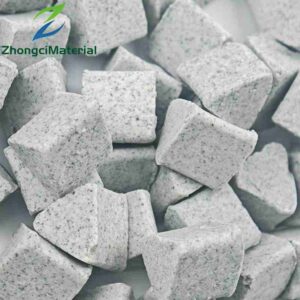
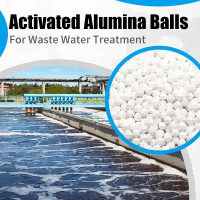
Zhongci Fluoride Removal Activated Alumina is a specialized adsorbent designed to efficiently remove excess fluoride ions from drinking water and industrial wastewater. As a high-performance variant of activated alumina, it leverages the material’s innate adsorption properties to address fluoride contamination—a critical issue in regions with high natural fluoride levels in groundwater.
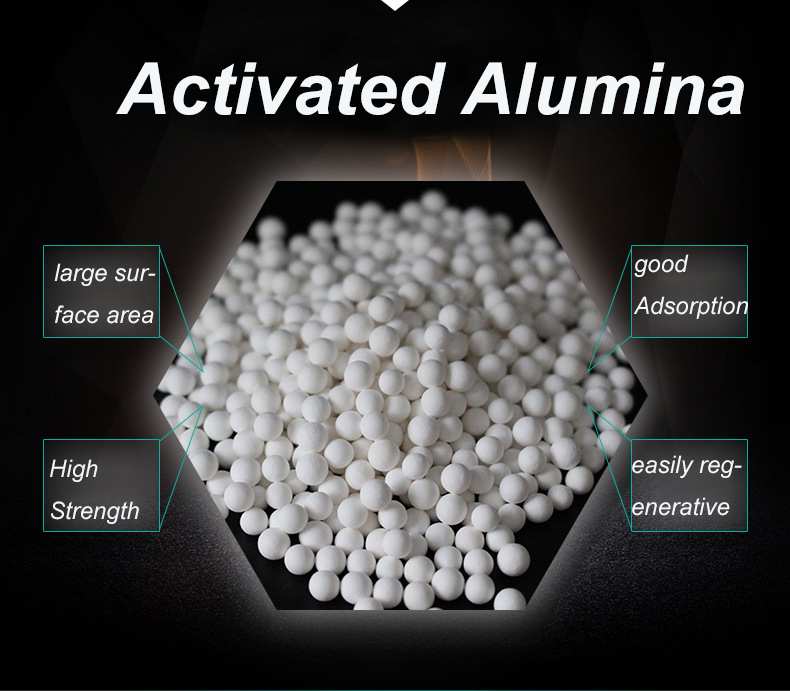
1. Core Properties and Composition
- Material Structure: Composed of granular activated alumina (γ-Al₂O₃), characterized by a highly porous structure and large surface area (typically 200–300 m²/g), enabling extensive ion adsorption .
- Surface Chemistry: Features abundant surface hydroxyl groups (-OH), which facilitate ion exchange with fluoride anions (F⁻) through electrostatic attraction .
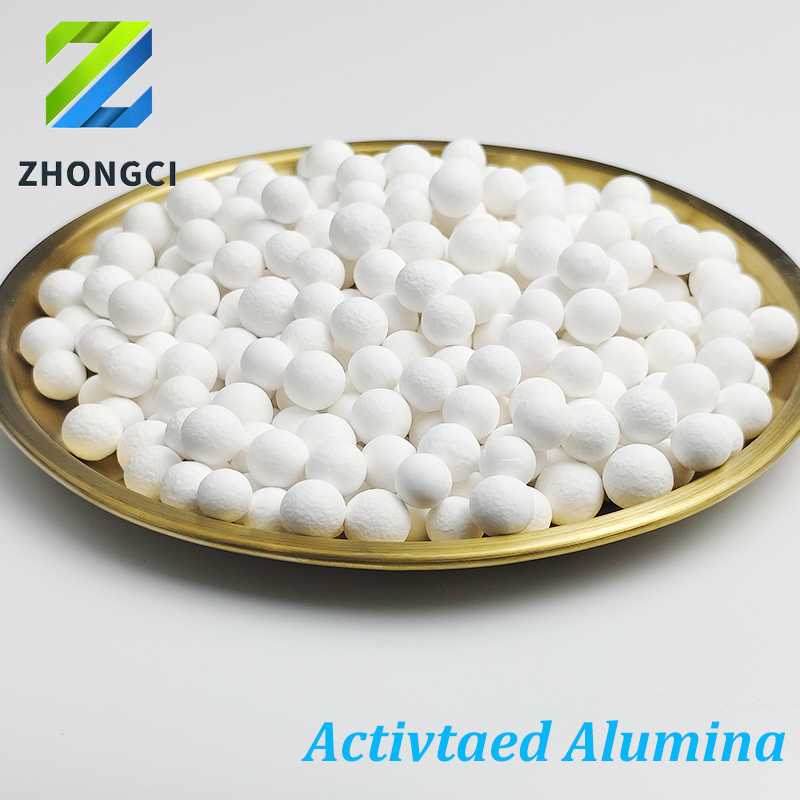
- Physical Specifications: Commonly available in granular sizes of 1–3 mm or 2–4 mm, with a bulk density of 0.68–0.80 g/mL.
2. Working Mechanism
- Adsorption Process: Fluoride ions in water bind to the alumina surface via ligand exchange, replacing hydroxyl groups to form stable complexes (e.g., ≡AlF) .
- Enhanced Performance: Some variants are modified with alum (aluminum sulfate) or other agents to boost fluoride affinity and capacity .
- pH Sensitivity: Operates optimally in a pH range of 5.5–6.5, where fluoride adsorption peaks due to favorable surface charge.
3. Applications
A. Drinking Water Treatment
- Deployed in centralized water plants or household filters to reduce fluoride concentrations to WHO-recommended levels (<1.5 mg/L).
- Often integrated into multi-stage systems alongside quartz sand, activated carbon, and iron/manganese removal units .
B. Industrial Wastewater Management
- Treats fluoride-laden effluents from industries like semiconductor manufacturing, glass production, and nuclear fuel processing (e.g., uranium fluoride refinement).
- Used in processes combining acidification, extraction, and electrocatalysis for comprehensive defluoridation.
4. Advantages
- High Selectivity: Superior fluoride removal efficiency even in complex water matrices.
- Regenerability: Can be restored via alkaline washing (e.g., NaOH) followed by acid neutralization, extending service life.
- Cost-Effectiveness: Low operational expenses compared to membrane technologies, with bulk industrial orders exceeding 50,000 kg .
5. Performance and Maintenance
- Capacity: Adsorbs ~3–15 mg F⁻/g alumina depending on water chemistry and modification.
- Replacement Indicators: Reduced flow rate or elevated effluent fluoride levels signal exhaustion.
- Disposal: Spent alumina can be safely landfilled or recycled in cement production.
Future Prospects
Ongoing research focuses on nanostructured modifications and composite materials (e.g., metal oxide coatings) to enhance kinetics and capacity . Zhongci’s technology aligns with global efforts to mitigate fluorosis—a disease caused by chronic fluoride exposure—and supports UN Sustainable Development Goals (SDG 6: Clean Water).