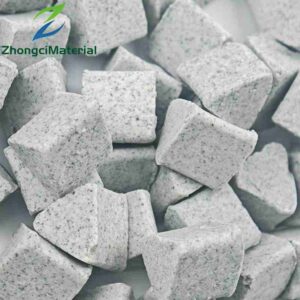
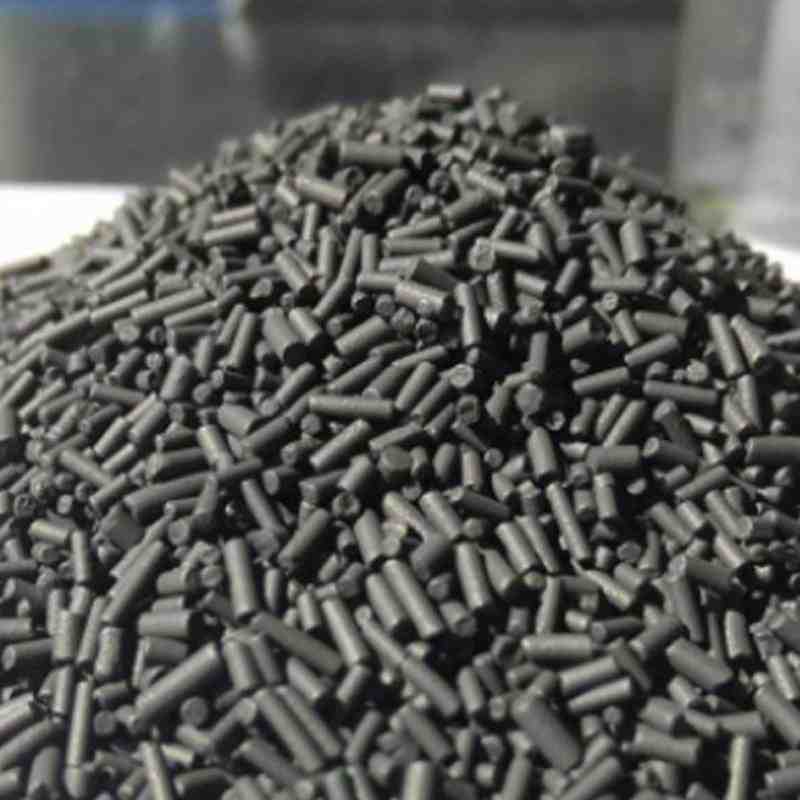
Zhongci Carbon Molecular Sieve 280 (CMS 280) is a specialized adsorbent material developed by Pingxiang Zhongci Environmental Ceramics Material Co., Ltd., a leading manufacturer in the field of carbon molecular sieves. Designed primarily for pressure swing adsorption (PSA) nitrogen generation systems, CMS 280 exhibits high selectivity for oxygen adsorption, enabling efficient separation of nitrogen from air. Its cylindrical black solid form and uniform 4-angstrom pore structure make it a critical component in industrial gas separation processes.
Key Properties and Technical Specifications
- Composition: High-purity carbon matrix with controlled porous structure.
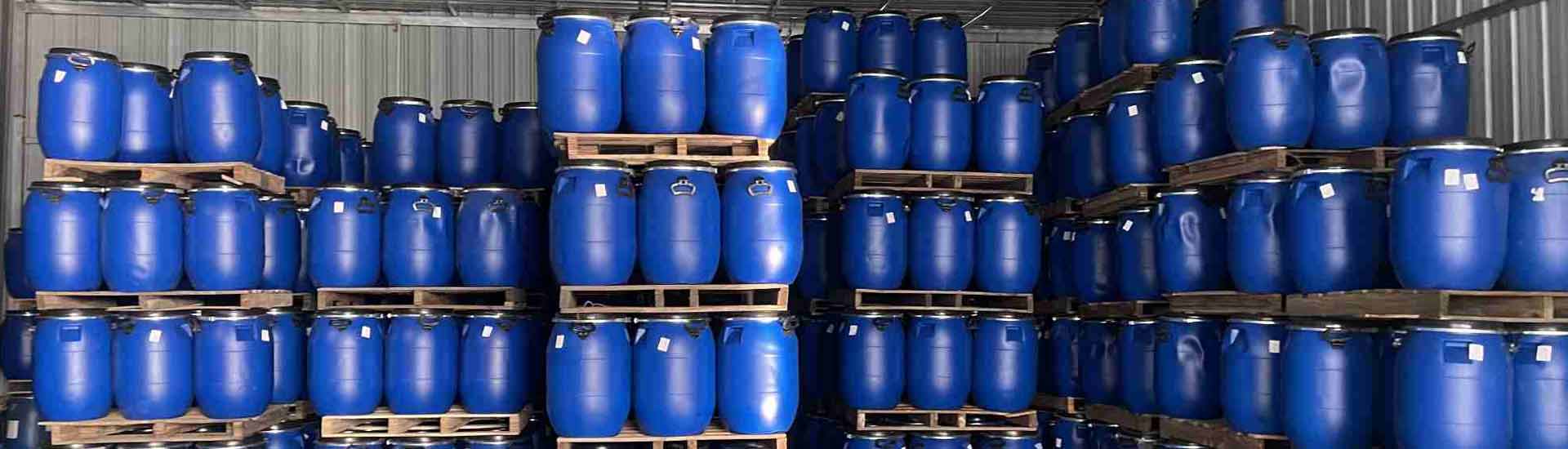
- Physical Form: Cylindrical pellets, typically supplied in 40kg plastic drums.
- Performance Metrics:
- Nitrogen purity: Minimum 99.99%.
- Adsorption Capacity: Optimized for oxygen molecules, allowing high nitrogen yield in PSA systems.
- Stability: Chemically inert and thermally stable, suitable for continuous industrial operation.
Applications in Industrial Processes
CMS 280 is widely utilized across sectors requiring on-site nitrogen production:
- Petrochemical Industry: Inert gas blanketing and pipeline purging.
- Metal Heat Treatment: Controlled atmosphere creation to prevent oxidation.
- Electronics Manufacturing: High-purity nitrogen for semiconductor and circuit board production.
- Food Preservation: Modified atmosphere packaging (MAP) to extend shelf life.
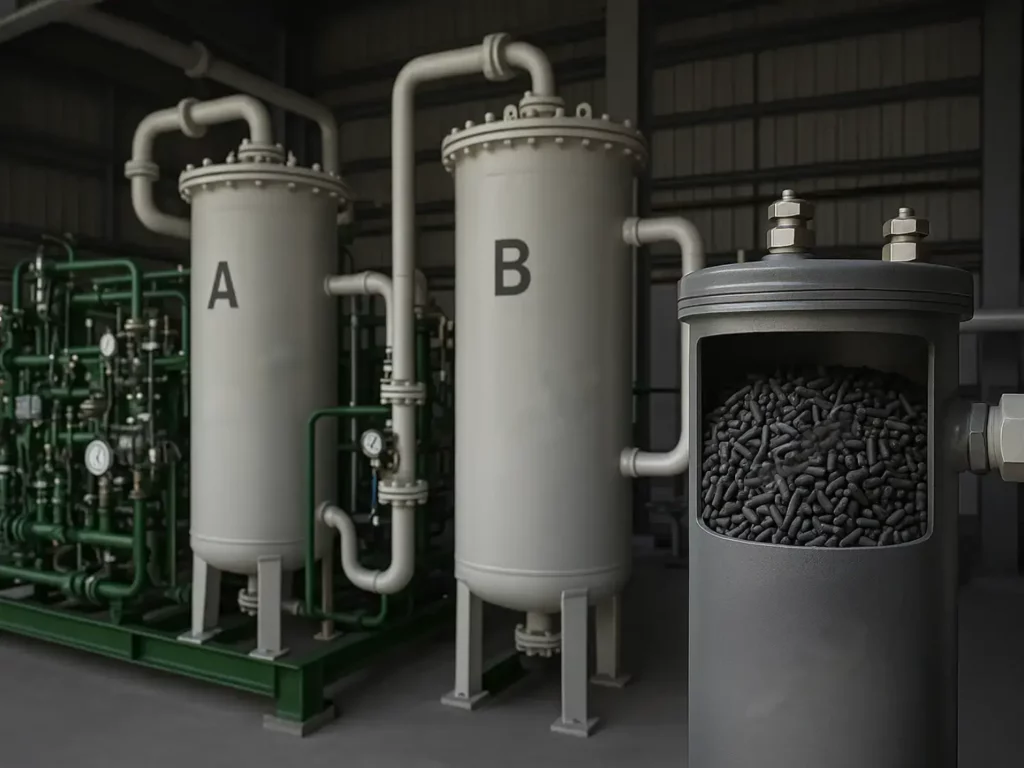
Manufacturing and Supply Chain
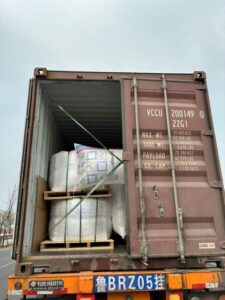
Zhongci Environmental Ceramics Material Co., Ltd. produces CMS 280 with a monthly capacity of 1000 tons, ensuring reliable supply for large-scale industrial. The production process involves carbonization and activation of precursor materials to form the molecular sieve structure, followed by quality control to meet strict pore size and adsorption efficiency standards.
Advantages Over Alternative Materials
Compared to traditional nitrogen separation methods (e.g., cryogenic distillation), CMS 280-based PSA systems offer:
- Energy Efficiency: Lower power consumption due to ambient temperature operation.
- Compact Design: Modular systems suitable for on-site installation.
- Cost-Effectiveness: Reduced operational costs for medium to large nitrogen demand.
Future Developments
Research into CMS technology focuses on enhancing pore size precision and adsorption kinetics. Emerging trends include integrating CMS with renewable energy-driven PSA systems to reduce carbon footprint, aligning with global sustainability goals. Additionally, advancements in granular renewable energy certificate markets may influence CMS production by promoting low-carbon manufacturing practices.
For technical inquiries or orders, contact Pingxiang Zhongci Environmental Ceramics Material Co., Ltd. via their official channels.