In the era of green and low – carbon development, carbon molecular sieves, as an efficient and environmentally friendly adsorbent material, have gradually entered the public eye. Let’s take a closer look at the production process of carbon molecular sieves.
Raw Material Selection
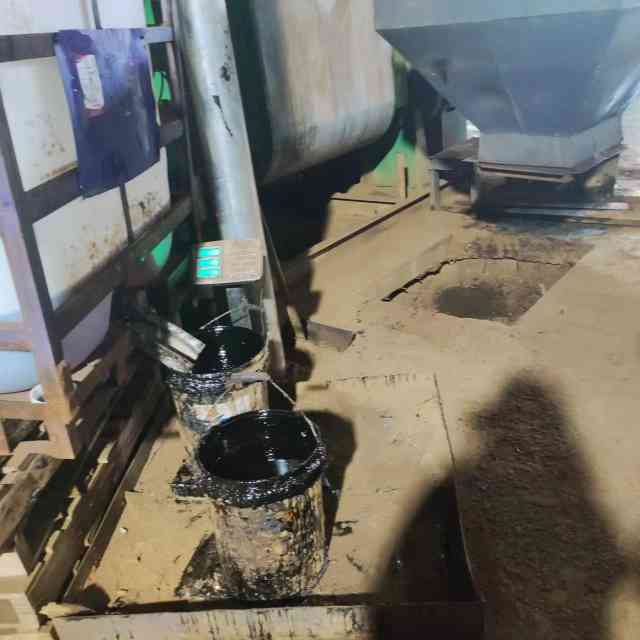
Manufacturers typically choose high – quality coal – based or wood – based raw materials. These raw materials are carefully to ensure the basic quality of the final product. For example, coal – based materials may have certain carbon content and structure characteristics, while wood – based materials may bring different physical and chemical properties.
Pretreatment
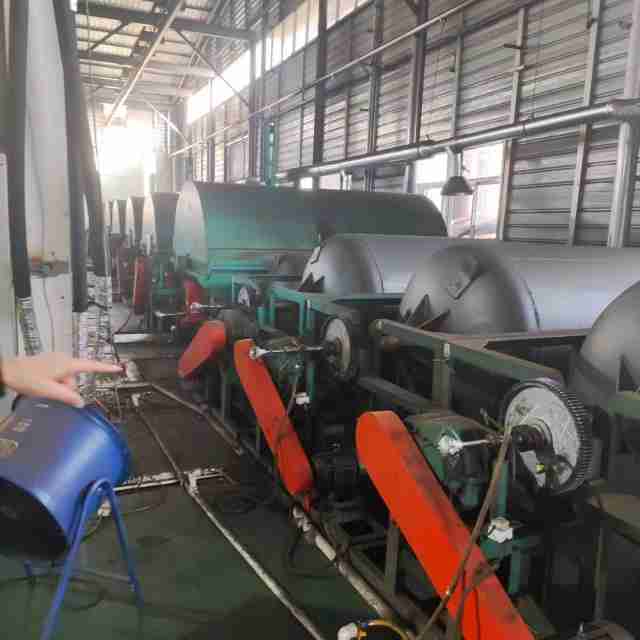
The selected raw materials go through physical or chemical pretreatment methods. The main purpose of this step is to remove impurities and improve the purity of the raw materials. Physical methods may include processes like screening and washing, while chemical methods could involve the use of specific reagents to react with and remove unwanted substances.
Molding
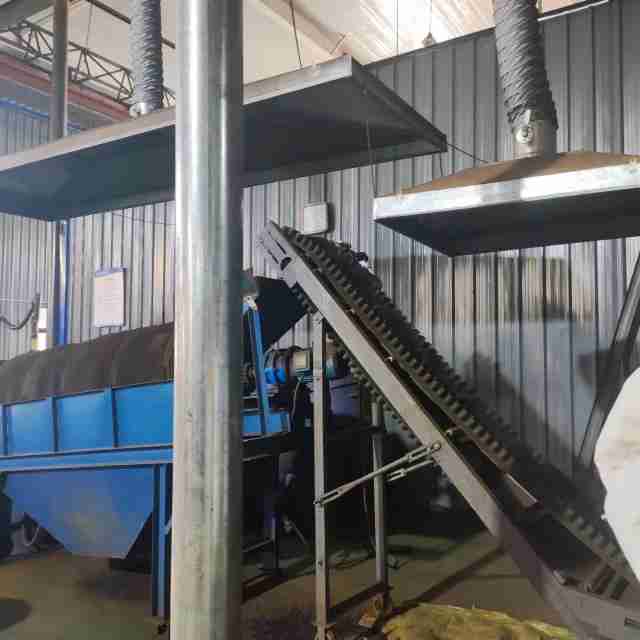
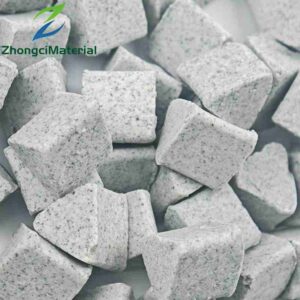
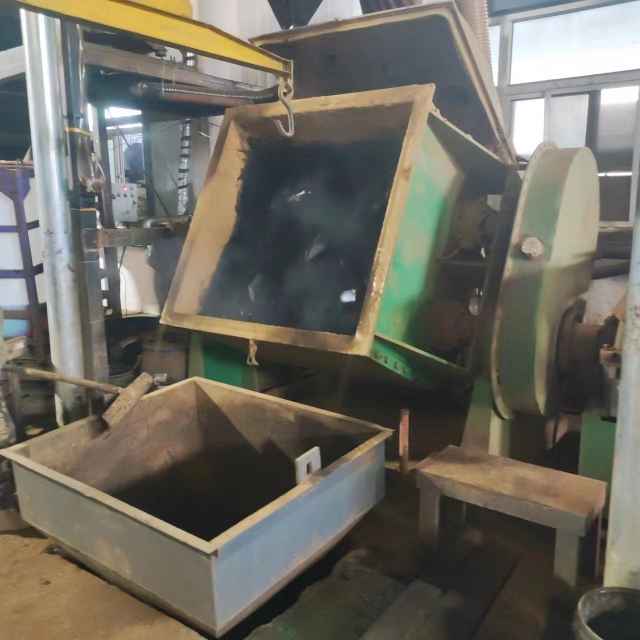
In the molding stage, a special molding process is employed. The raw materials are press into particles or blocks with a certain shape and strength. This step is crucial as it determines the basic physical form of the carbon molecular sieve, which is beneficial for subsequent processing and practical applications. For example, appropriate particle size and shape can ensure good fluidity and packing density during use .
Carbonization
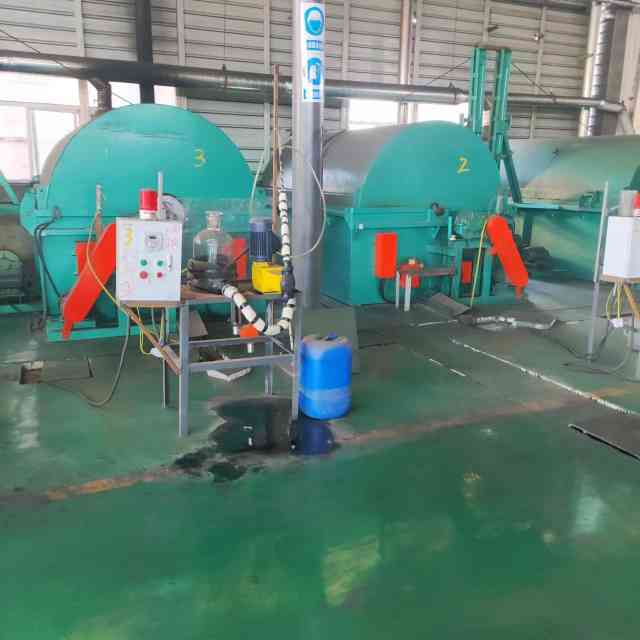
After molding, the materials undergo high – temperature carbonization. During this process, the organic matter in the raw materials decomposes, forming a porous carbon skeleton. High – temperature conditions break down the complex organic compounds, leaving behind a carbon – rich structure with pores. The control of carbonization temperature and time is very important, as it affects the structure and properties of the carbon skeleton .
Activation
The final step is the activation treatment. By introducing specific activation agents such as steam, carbon dioxide, oxygen, or their mixtures at a temperature range of 600 – 1000 °C, the activation agents react with the relatively active amorphous carbon atoms through thermal chemical reactions. This process further increases the adsorption performance and specific surface area of the carbon molecular sieve. The activation time usually ranges from 10 to 60 minutes, and different activation conditions can produce carbon molecular sieves with different pore structures and adsorption capacities .
This rigorous and delicate production process endows carbon molecular sieves with excellent adsorption performance and a long service life. Carbon molecular sieves are widely used in industrial gas separation, such as nitrogen and oxygen production, as well as air purification to remove harmful gases and odors in the air. With the increasing awareness of environmental protection and the development of clean energy, the market demand for carbon molecular sieves is expected to continue to grow.
If you have any interests in our products, please do not hesitate to contact our sales team. We will offer you professional solution. For better knowing products details, please you can visit our alibaba websites: