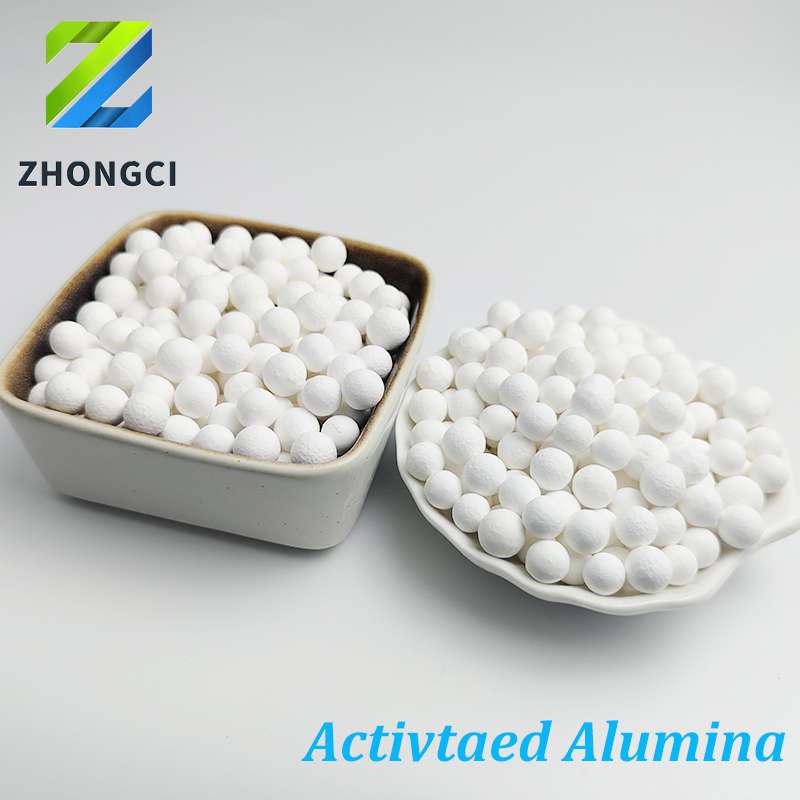
Low Sodium Activated Alumina is a versatile and high-performance material with unique physical and chemical properties. Making it widely applicable in various industrial fields. It is typically presented as white or light pink spherical particles or fine powder. It is characterized by high purity, uniform particle size distribution, and excellent structural stability. Its production involves specialized processes to control sodium content and optimize pore structure. Ensuring superior affinity with active components and efficient adsorption or catalytic performance.
Key Properties and Specifications
Physical and Chemical Characteristics
- Structural Features: Possesses a porous framework with uniformly distributed micropores, appropriate pore size, large pore volume, and high water absorption capacity. It exhibits strong mechanical strength and remains stable without swelling or cracking after water absorption.
- Chemical Stability: Insoluble in water and organic solvents but soluble in acids and alkalis. It demonstrates excellent thermal stability and can be used at temperatures up to 290°C after activation treatment.
- Purity and Particle Size: Available in high-purity grades (e.g., 4N-5N for AKP series) with controlled impurity levels (e.g., Na ≤ 10 ppm). Particle sizes range from 0.1 μm to 5 mm, including spherical particles (0.5-1mm, 1-2mm, 2-5mm) and fine powders (0.2-0.8μm) .
Crystal Forms and Surface Properties
- Crystal Structures: Common crystal forms include γ, δ, θ, and α phases. For instance, AKP series offers α-Al₂O₃ with uniform grain size, while other grades feature γ-Al₂O₃ for specific applications like flame retardancy.
- Surface Area: BET surface area ranges from 2.5 m²/g to over 170 m²/g, providing abundant active sites for adsorption and catalytic reactions.
Applications Across Industries
Catalyst and Catalyst Support
- Petrochemical and Fertilizer Industries: Widely used as a catalyst carrier in hydrogenation desulfurization, cracking, and hydrogenation reactions due to its strong affinity with active components and stable performance.
- Chemical Reactions: Serves as a catalyst support in processes like alkylbenzene production and hydrogen peroxide working fluid purification.
Adsorbents and Drying Agents
- Gas and Liquid Drying: Efficiently dries gases (e.g., air, natural gas) and liquids with a drying depth down to -70°C dew point. Suitable for air separation, textile, and electronics industries.
- Water Treatment: Removes fluoride, arsenic, and organic impurities from drinking water and industrial wastewater, with a fluoride adsorption capacity of up to 2.1 mg/g.
Flame Retardants and Additives
- Polymer Materials: Enhances flame retardancy, arc resistance, and mechanical properties when added to EVA, LDPE, LLDPE cables, PP, unsaturated polyesters, and synthetic rubbers.
- Functional Fillers: Improves compactness, fluidity, and volume stability in refractory materials, reducing water demand and porosity.
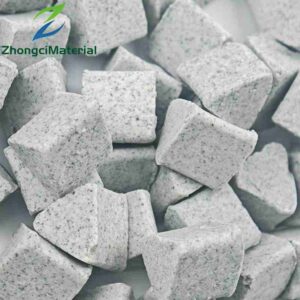
Polishing and Abrasion
- Surface Finishing: Used for polishing metals, glass, ceramics, and jewelry due to its fine particle size and controlled abrasiveness.
Production and Regeneration
Manufacturing Process
- Preparation Method: Typically produced by heating and dehydrating aluminum hydroxide to form γ-Al₂O₃ (activated alumina). Special processes control crystal water content (e.g., 2.5-2.9 water molecules retained) and sodium levels for low-sodium variants.
- Activation Treatment: Thermal activation at 400-500K enhances adsorption capacity and thermal stability.
Regeneration
- Heating Regeneration: Adsorbed moisture can be desorbed by purging with hot nitrogen at elevated temperatures (400-500K), allowing reuse in drying applications.
Conclusion
Low Sodium Activated Alumina stands out as a critical material in modern industry, driven by its tailored porosity, high purity, and multifunctional properties. Its applications span catalysis, adsorption, flame retardancy, and polishing, with ongoing innovations in production techniques expanding its potential in advanced materials and environmental technologies. Its ability to balance performance, stability, and cost-effectiveness makes it indispensable in both traditional and emerging sectors.