Overview and Classification
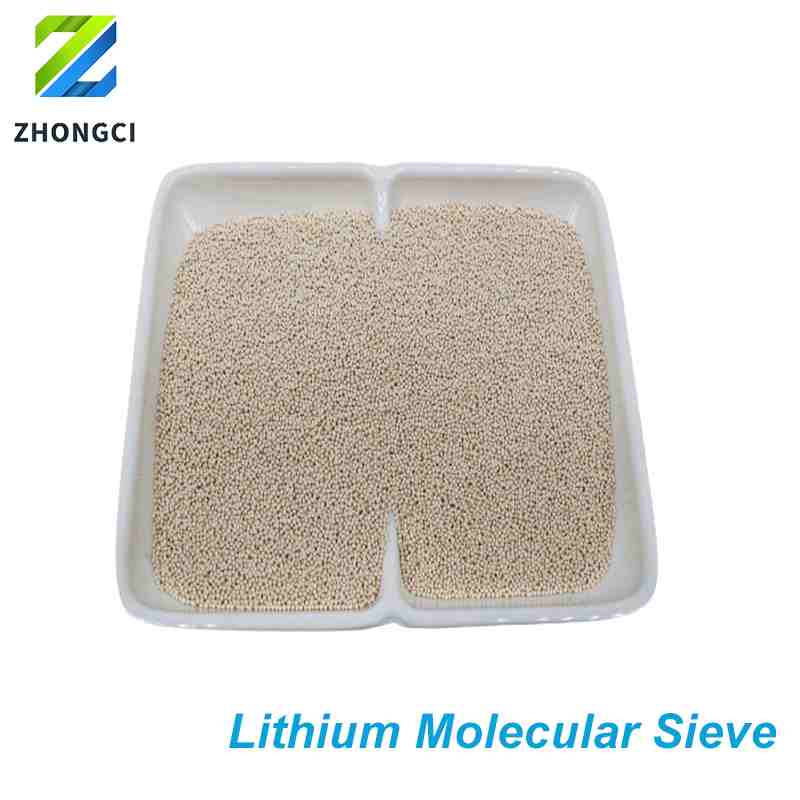
LiX molecular sieve is a type of lithium X-type silicate aluminate crystal with advanced performance in pressure swing adsorption (PSA) oxygen production. It belongs to the broader category of molecular sieves, which are synthetic microporous aluminosilicates for adsorption, separation, and catalysis due to their uniform pore structure and high polarity. LiX variants, such as AS-10Li and LiLSX, recognized for superior nitrogen-oxygen separation capabilities, making them ideal for VPSA/PSA oxygen generation systems .
Key Properties and Advantages
- Structural Features: Possesses high Li⁺ exchange degree, excellent wear resistance, and large bulk density, contributing to extended service life in industrial applications .
- Adsorption Performance: Demonstrates strong selective adsorption for nitrogen, enabling efficient oxygen enrichment from air. LiLSX, a high-performance subtype, is currently as the most effective PSA oxygen separation material.
- Operational Benefits: High thermal conductivity and heat capacity reduce energy consumption of oxygen plants, lowering overall operational costs.
Applications Across Industries
LiX molecular sieves utilized in diverse sectors:
- Industrial Manufacturing: Steelmaking, non-ferrous metallurgy, and chemical processing for on-site oxygen supply.
- Energy & Environment: Furnace energy-saving and wastewater treatment.
- Healthcare & Agriculture: Medical oxygen production and aquaculture oxygenation systems.
- Petrochemical: Gas drying and purification in refineries and ethylene production.
Regeneration and Maintenance
To ensure longevity, LiX molecular sieves require periodic regeneration:
- Thermal Regeneration: Heat with dry gas (150-350°C) at 0.3-0.5 kg/cm² for 3-4 hours, followed by cooling with dry cold gas.
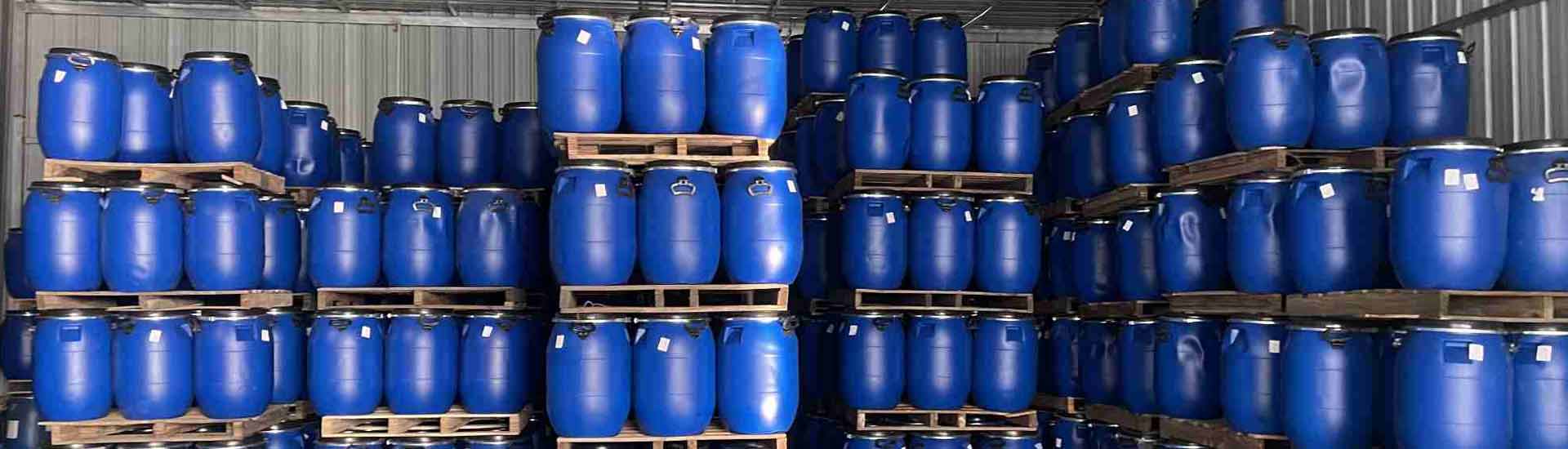
- Storage Precautions: Keep in airtight containers to prevent moisture absorption; reactivate if exposed to humidity .
Market and Future Trends
The demand for LiX molecular sieve is growing with the expansion of lithium-ion battery and energy storage industries. However, fluctuating lithium prices pose challenges for large-scale production 2. Ongoing research focuses on optimizing ion exchange methods to enhance performance and reduce costs.
Note: This introduction is based on technical data. For specific application parameters, consult manufacturers or technical datasheets.