
A Material Safety Data Sheet (MSDS), also known as a Safety Data Sheet (SDS) in Europe, is a comprehensive document mandated by law for chemical manufacturers and distributors. It details the physical-chemical properties, toxicity, environmental hazards, and safety guidelines of a substance. For carbon molecular sieves (CMS), an MSDS is critical for ensuring safe handling, storage, and emergency response.
Key Components of Carbon Molecular Sieve MSDS
1. Product Identification
- Chemical Name: Carbon Molecular Sieve (CMS)
- Synonyms: Carbon molecular sieve membrane (CMSM), molecular-sieve type activated carbon
- CAS Number: Not explicitly specified in references; typically varies by manufacturer.
2. Physical and Chemical Properties
- Structure: Porous carbon material with average effective pore diameters ranging from 3 to 20 Angstroms.
- Surface Area: Up to 3,000 m²/g when prepared via optimized activation processes.
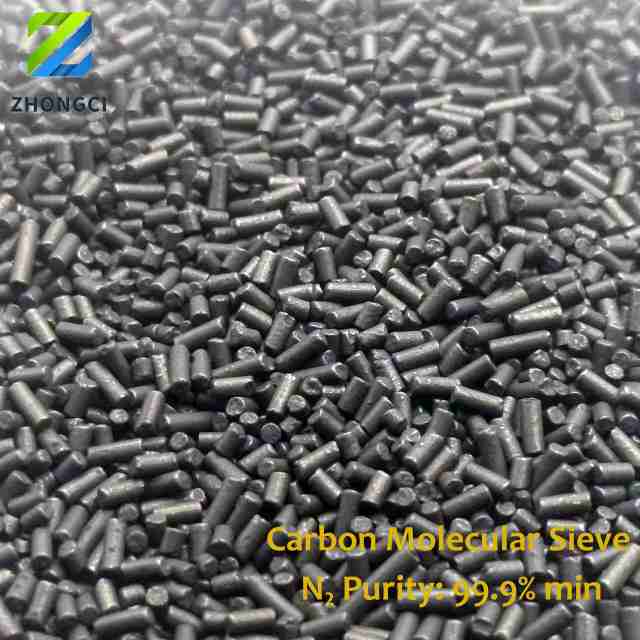
- Appearance: Typically a black, granular solid; may form membranes with smooth, defect-free surfaces when coated on supports.
3. Hazards Identification
- Primary Hazards: Limited acute toxicity data available. As a carbon-based material, dust inhalation may cause respiratory irritation.
- Fire Risk: Non-flammable under normal conditions but may ignite at high temperatures (>250°C) in oxygen-rich environments.
4. Handling and Storage
- Precautions: Avoid dust generation; use in well-ventilated areas. Wear dust masks and gloves during handling.
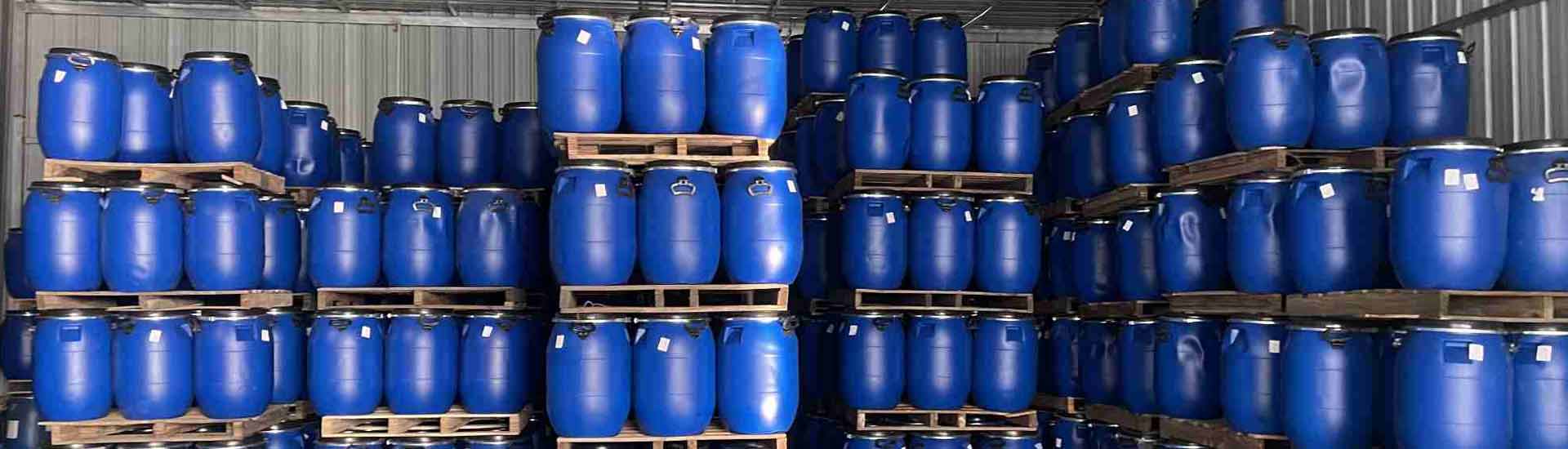
- Storage Conditions: Store in dry, cool environments away from oxidizing agents. Seal containers to prevent moisture absorption.
5. Applications and Uses
- Gas Separation: Widely used in pressure swing adsorption (PSA) for O₂/N₂/Ar separation and H₂/CH₄ purification (separation coefficients up to 171 for H₂/CH₄).
- Membrane Technology: CMS membranes are utilized for precise gas separation in industrial processes.
6. Regulatory Information
- Compliance: Adheres to international standards for chemical documentation (e.g., ISO 11014 for SDS). Specific certifications (e.g., CE, RoHS) may apply based on end-use.
Conclusion
A Carbon Molecular Sieve MSDS is essential for ensuring safe industrial practices, providing critical data on properties, hazards, and handling. Its role in gas separation technologies underscores the need for accurate, manufacturer-specific documentation to align with regional regulations.