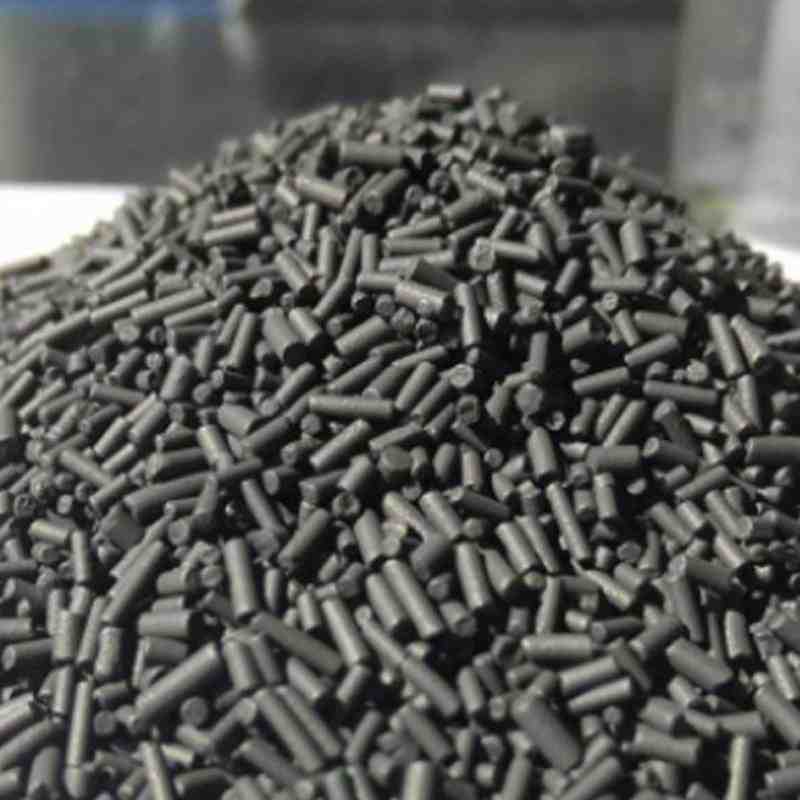
Carbon molecular sieve (CMS) is a porous carbon material with precise pore size distribution, primarily used for gas separation, especially in oxygen and nitrogen separation through pressure swing adsorption (PSA) technology. Its unique molecular sieving properties make it indispensable in industries such as food packaging, electronics manufacturing, and chemical processing. With the growing demand for high-purity gases and energy-efficient separation processes, the global trade of CMS has witnessed significant expansion, particularly in regions with thriving manufacturing sectors.
Key Applications Driving Import Demand
- Food and Agriculture: CMS-based nitrogen generators are widely used in controlled atmosphere (CA) storage to extend the shelf life of fruits like ‘Red Delicious’ apples by regulating O₂ and CO₂ levels. Imported CMS with superior adsorption efficiency is critical for maintaining product quality during long-term storage.
- Industrial Gas Production: PSA systems utilizing CMS enable on-site nitrogen production, reducing reliance on traditional cylinder supply. This has boosted import demand in emerging economies investing in manufacturing infrastructure.
- Environmental Technology: CMS plays a role in volatile organic compound (VOC) removal and hydrogen purification, aligning with global sustainability goals and driving imports for green technology projects.
Technical Specifications Influencing Import Decisions
| Parameter | Typical Range | Importance |
|---|---|---|
| Average Pore Diameter | 3–20 Angstroms | Determines selectivity for gas separation. |
| BET Surface Area | 1,500–3,000 m²/g | Affects adsorption capacity. |
| O₂/N₂ Selectivity Ratio | Dependent on diffusivity | Critical for PSA performance. |
| Mechanical Strength | Varies by manufacturer | Ensures durability in industrial processes. |
Global Market Dynamics and Carbon Molecular Sieve Import Trends
- Major Exporting Countries:
- United States: Leads in advanced CMS membrane technology, with products like carbon molecular sieve membranes (CMSM) offering high H₂/CH₄ separation coefficients (up to 171).
- Japan: Focuses on high-purity CMS for electronics and semiconductor industries.
- China: Dominates low-cost production, particularly for general industrial applications.
- Import Challenges:
- Quality Control: Variability in pore structure and adsorption rates requires rigorous testing of imported batches.
- Regulatory Compliance: Compliance with international standards (e.g., ISO for gas separation efficiency) is mandatory for market access.
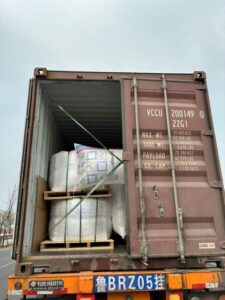
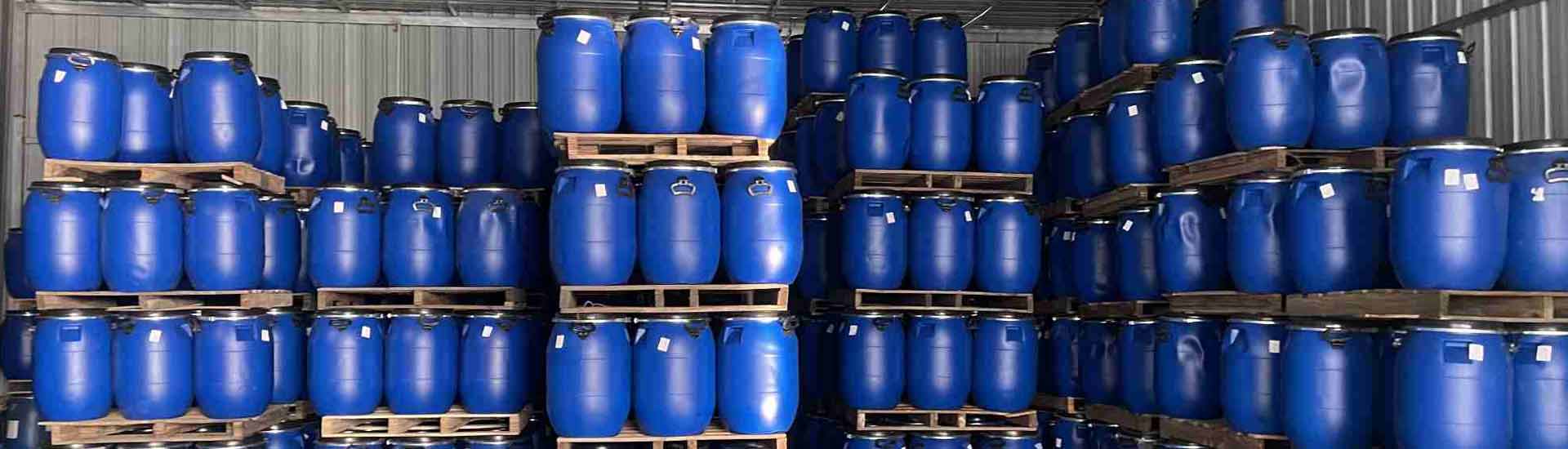
- Logistics: Proper packaging to prevent moisture absorption during transit is essential to maintain CMS performance.
Future Outlook for Carbon Molecular Sieve Import
The increasing adoption of PSA technology in healthcare (medical oxygen) and renewable energy (hydrogen fuel cells) is expected to drive import growth. Innovations such as CMS membranes with enhanced thermal stability and tailored pore sizes will further shape trade flows. Carbon Molecular Sieve Import nations must balance cost considerations with technological requirements to leverage CMS’s potential in industrial upgrading and sustainability initiatives.