Nitrogen generation plants utilizing Carbon Molecular Sieve (CMS) are advanced industrial systems designed to produce high-purity nitrogen gas (N₂) directly from compressed air. This technology, often referred to as Pressure Swing Adsorption (PSA) nitrogen generation, leverages the unique kinetic separation properties of CMS to efficiently and cost-effectively separate nitrogen from oxygen and other atmospheric gases.
1. Core Technology: The Carbon Molecular Sieve (CMS) * Material & Function:
CMS is a specialized adsorbent material derived from activated carbon, processed to possess a highly controlled pore structure. Unlike zeolites that separate based on molecular size exclusion, CMS primarily exploits differences in the adsorption kinetics (diffusion rates) of gas molecules. * Separation Principle (Kinetic Separation): Oxygen molecules (O₂) are smaller and diffuse much faster into the micropores of the CMS than the larger nitrogen molecules (N₂). During the high-pressure adsorption phase of the PSA cycle, O₂, along with water vapor and CO₂, is rapidly adsorbed onto the CMS surface and trapped within its pores, allowing the relatively slower-diffusing nitrogen gas to pass through the bed as the product stream. * Regeneration: The adsorbed gases (primarily O₂) are then released (desorbed) during a rapid depressurization phase, regenerating the CMS bed for the next cycle. This pressure swing process is continuous, typically using two or more adsorption towers alternating between adsorption and regeneration.
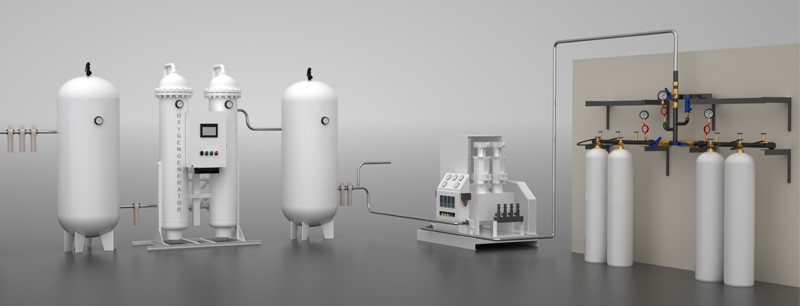
2. Key Characteristics of CMS for Nitrogen Production * High Selectivity for O₂/N₂:
Engineered specifically for rapid O₂ adsorption kinetics over N₂.
* Efficiency: Enables the production of high-purity nitrogen (typically 95% to 99.9995%) .
with relatively low energy consumption compared to cryogenic methods.
* Durability: CMS exhibits good mechanical strength and resistance to moisture
(especially when pre-drying of air is adequate), contributing to a long operational lifespan.
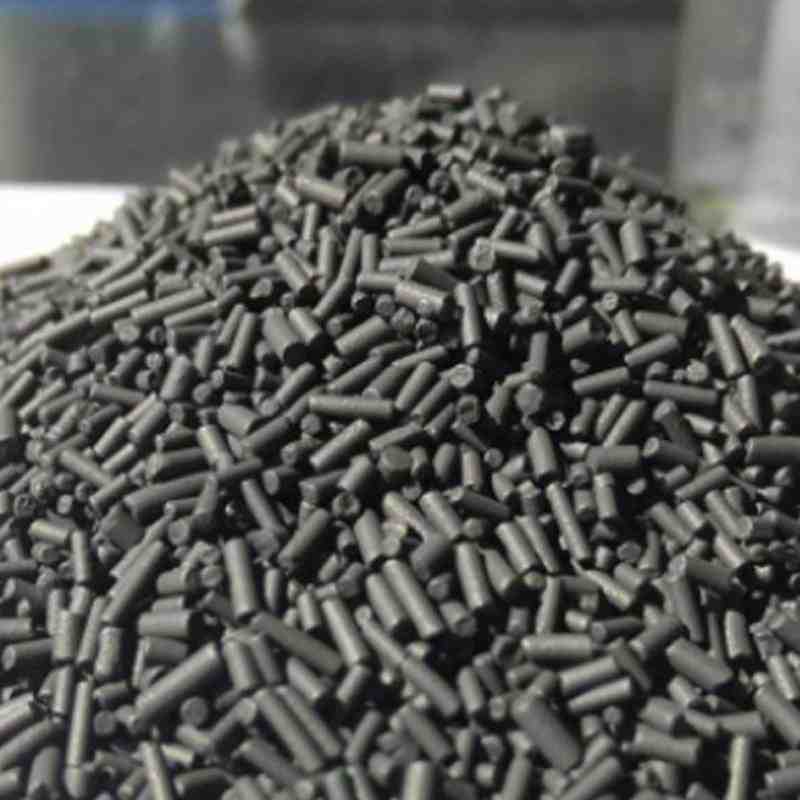
* Physical Form: Typically supplied as small, hard, black cylindrical pellets or beads.
3. Applications of CMS Nitrogen Plants
CMS-based nitrogen generators are widely used across numerous industries due to their reliability, on-site generation capability, and operational flexibility:
* Food & Beverage Packaging: Blanketing to prevent oxidation and spoilage (e.g., snacks, coffee, oils).
* Electronics Manufacturing: Creating inert atmospheres for soldering, component production, and annealing.
* Chemical & Petrochemical: Purging vessels and pipelines, blanketing storage tanks for flammable liquids, and inerting reactors.
* Pharmaceuticals: Blanketing during production and packaging to maintain product integrity.
* Metallurgy: Heat treatment processes under protective atmospheres.
* Tire Inflation (Aircraft & Automotive): Using dry, inert nitrogen to improve pressure retention and reduce oxidation.
4. Technical Specifications & Supply (Examples from Search Results) * Product Names: CMS240 , various grades for PSA Nitrogen Generators.
* Purity: Often specified as high purity (e.g., 99.5% . *
5. Environmental Context While not directly about CMS technology, research highlights the critical role of nitrogen in ecosystems. Studies show climate warming can significantly impact plant nitrogen content. On-site nitrogen generation using CMS can contribute to reducing the carbon footprint associated with traditional nitrogen supply
(e.g., transportation of cylinders or liquid nitrogen) by producing gas locally and efficiently.
Conclusion: Carbon Molecular Sieve-based nitrogen generation plants represent a mature, efficient, and versatile technology for on-demand production of high-purity nitrogen gas.
Their operation hinges on the unique kinetic adsorption properties of CMS materials, selectively trapping oxygen while allowing nitrogen to flow through.
This makes them an indispensable solution for a vast array of industrial applications requiring inert atmospheres, offering advantages in cost, reliability, and operational control compared to alternative methods. Suppliers offer various CMS grades (like CMS240) optimized for performance in PSA nitrogen systems.