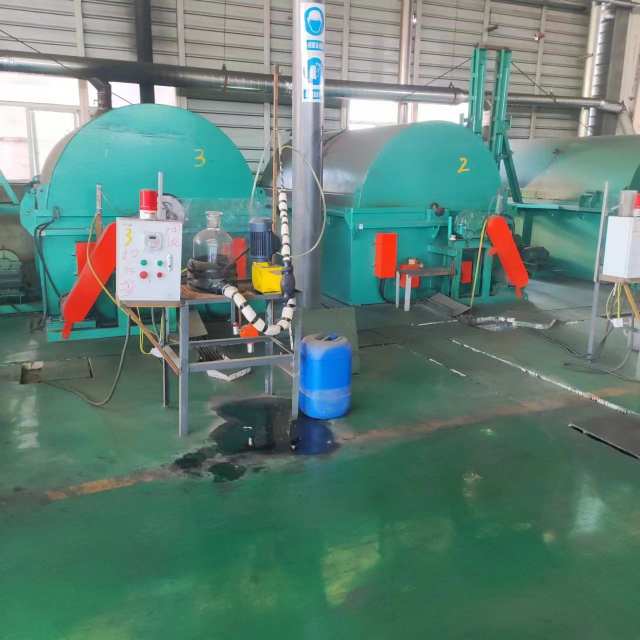
What a Boiler Flue Gas Dedicated Carbon Molecular Sieve?
A boiler flue gas dedicated carbon molecular sieve refers to a specially engineered CMS designed to function efficiently under the unique conditions of boiler exhaust gases. These gases typically contain mixtures of nitrogen (N₂), oxygen (O₂), carbon dioxide (CO₂), water vapor, and trace pollutants. The dedicated CMS is to selectively adsorb certain components — such as oxygen or CO₂ — from hot, moist flue streams, enabling applications like inerting, oxygen removal, or enhancing combustion efficiency through nitrogen enrichment.
Carbon Molecular Sieve (CMS) is a novel type of non-polar adsorbent material that has gained increasing attention in gas separation applications, particularly in nitrogen generation and purification processes . While traditionally used in air separation to produce nitrogen via Pressure Swing Adsorption (PSA) technology, specialized carbon molecular sieves now developed and applied for specific industrial environments — including boiler flue gas treatment.
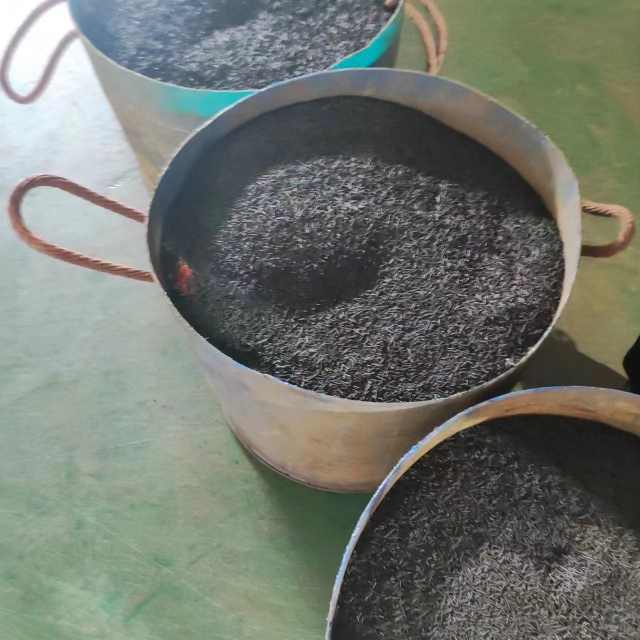
This type of CMS formulated with enhanced thermal stability, moisture resistance. Moreover, mechanical strength to withstand the high-temperature and chemically complex nature of boiler emissions .
Working Principle
The separation mechanism of carbon molecular sieve relies on differences in diffusion rates and adsorption affinities of gas molecules based on their kinetic diameter and polarity. In the context of flue gas:
- Oxygen molecules (kinetic diameter ~3.46 Å) diffuse faster into the micropores (typically 0.28–0.38 nm) of the CMS than larger nitrogen molecules (~3.64 Å), allowing selective retention of oxygen.
- This enables the production of a nitrogen-enriched stream useful for boiler protection, fire suppression, or reburning processes.
- Some advanced CMS materials also show affinity for CO₂, offering potential for dual-functionality in carbon capture and nitrogen generation systems.
The process operates under ambient or low pressure conditions using PSA or Vacuum Swing Adsorption (VSA) cycles, making it more energy-efficient compared to cryogenic distillation methods .
Key Features and Advantages
| Feature | Benefit |
|---|---|
| High selectivity for O₂ over N₂ | Efficient oxygen removal from flue gas |
| Thermal stability | Suitable for high-temperature flue gas environments |
| Moisture resistance | Maintains performance despite humidity in exhaust |
| High bulk density and crush strength | Long service life and reduced dusting |
| Fast adsorption kinetics | Enables rapid cycling in PSA systems |
These properties make dedicated CMS ideal for integration into boiler systems where reliable, continuous, and low-maintenance gas separation is required.
Applications in Boiler Systems
- Oxygen scavenging to prevent corrosion in boiler feedwater systems.
- Nitrogen inerting of fuel tanks or combustion chambers to reduce explosion risks.
- Flue gas recirculation enhancement by enriching recirculated gas with nitrogen to lower NOx formation.
- On-site nitrogen generation for soot-blowing or pipeline purging.
Carbon molecular sieve-based systems are already widely in chemical, petrochemical, and power generation industries, indicating strong feasibility for boiler-specific adaptations .
Future Development Trends
With growing demands for energy efficiency and emission reduction, boiler-specific CMS materials are to evolve toward:
- Higher resistance to sulfur compounds and particulates.
- Improved CO₂/O₂ dual-selectivity for carbon management.
- Longer operational lifespan under cyclic loading.
- Miniaturization and modular design for retrofitting existing boilers.
As research advances, such as studies on CMS adsorption dynamics for multi-component gases [, the design of next-generation carbon molecular sieves will become increasingly tailored to real-world flue gas compositions.
In conclusion, boiler flue gas dedicated carbon molecular sieve represents a promising advancement in clean combustion technology. By leveraging the precise pore structure and surface properties of CMS, industries can achieve more efficient, safer, and environmentally friendly boiler operations.