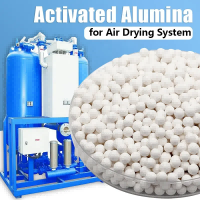
Activated alumina is a porous, high-surface-area material widely used as an adsorbent in industrial and environmental applications. Its exceptional adsorption capacity, thermal stability, and regenerability make it a versatile choice for processes such as gas purification, water treatment, and solvent recovery.
Key Properties and Applications
1. Adsorption Mechanism
Activated alumina operates through physical adsorption, where molecules (e.g., water vapor, fluoride ions, or organic solvents) adhere to its porous structure via van der Waals forces. Its high porosity and large specific surface area enable efficient capture of target substances.
2. Industrial Applications
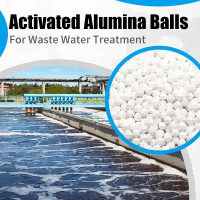
- Water Treatment: Removes fluoride, arsenic, and heavy metals from drinking water and industrial effluents. For example, in hydrogen peroxide production, it treats sewage by adsorbing contaminants.
- Gas Purification: Used in adsorbers to separate and recover volatile organic compounds (VOCs), such as solvents in printing plants. It works alongside materials like activated carbon and silica gel in multi-stage adsorption systems.
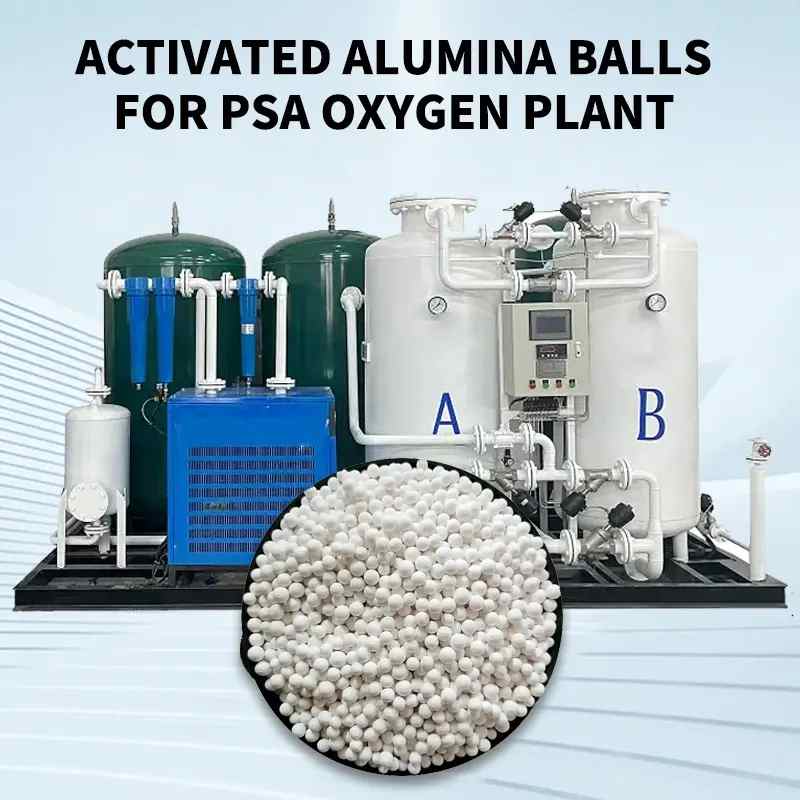
- Drying Agent: Absorbs moisture from gases and liquids due to its high affinity for water vapor.
Regeneration and Sustainability
A critical advantage of Adsorber Activated Alumina is its regenerability. It can be restored by heating with hot gas, which desorbs adsorbed molecules, allowing reuse. In industrial processes, regenerated alumina maintains over 80% of its original adsorption capacity, reducing waste and operational costs. For instance, in solvent recovery systems, hot gas passes through alumina layers to desorb vapors, which are then condensed and recycled.
Product Specifications
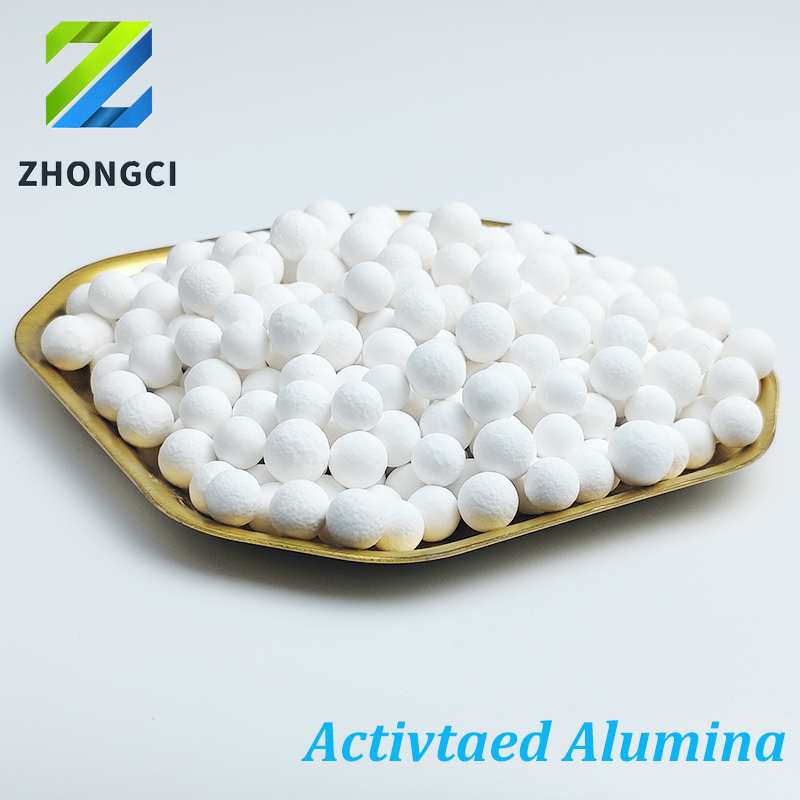
- Particle Sizes: Available in various grades, including 0.5–0.8mm, 1–2mm, 3–5mm, and 8–10mm, to suit different reactor designs .
- Purity and Density: Typically ≥93% alumina content with a bulk density of 700–800 kg/m³, ensuring structural stability during adsorption/desorption cycles.
- Certifications: Complies with ISO 9001 and ISO 14001 standards, guaranteeing quality and environmental safety.
Conclusion
As a cost-effective and eco-friendly adsorbent, Adsorber Activated Alumina plays a pivotal role in modern separation and purification technologies. Its adaptability to diverse applications, coupled with sustainable regeneration practices, positions it as a cornerstone material in green industrial processes.