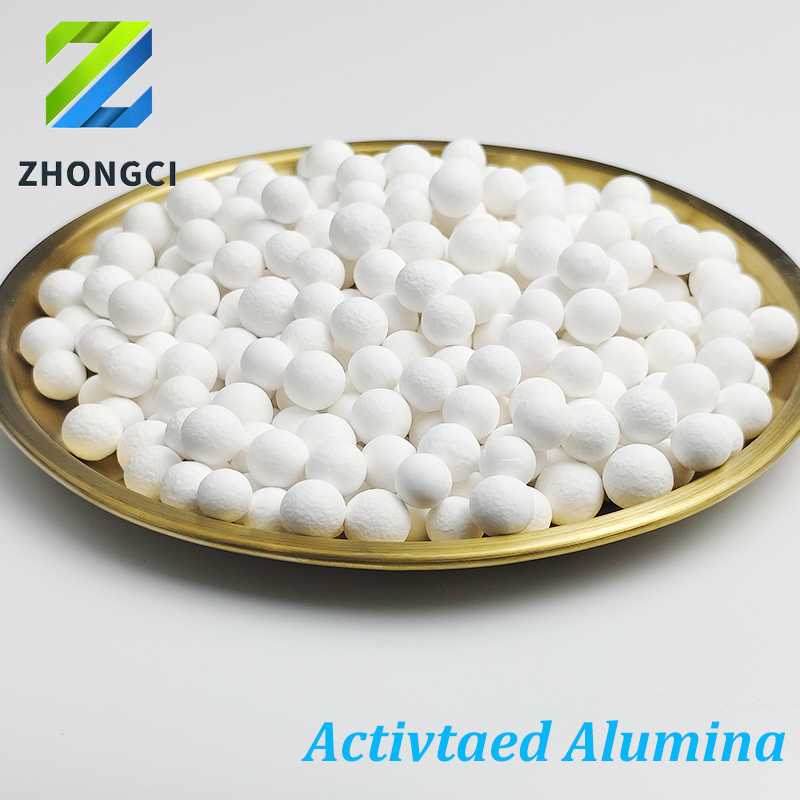
Activated alumina, with the chemical formula Al₂O₃, is a versatile inorganic material synthesized through the dehydration of hydrated alumina gels at 300–500°C. Its unique properties, including high adsorption capacity and chemical stability, make it indispensable in various industrial applications. This article provides a detailed overview of its formula, synthesis, properties, and uses.
Chemical Composition and Structural Characteristics
1. Molecular Formula and Basic Structure
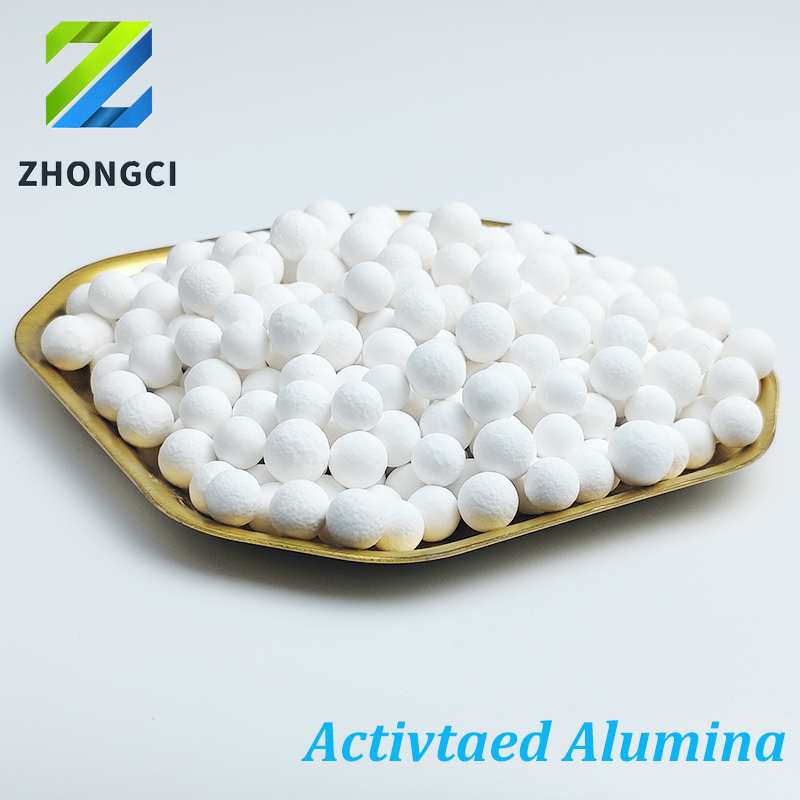
The fundamental formula of activated alumina is Al₂O₃, representing aluminum oxide in an activated, porous form. Unlike crystalline alumina (e.g., corundum), activated alumina exhibits an amorphous or microcrystalline structure with a high surface area, enabling its adsorption capabilities.
Synthesis and Activation Mechanism
1. Production Process
Activated alumina is produced by dehydrating hydrated alumina gels under controlled heating. The process removes structural water, creating a network of pores and enhancing surface reactivity1. For specialized applications (e.g., catalyst supports), additives like MO-Al, Ni-Al, or Ti-Al may be incorporated to tailor properties such as pore size and mechanical strength.
2. Activity Control via Water Content
The adsorption capacity of activated alumina is regulated by its water content, which defines its Brockmann activity grade (I to V). Activity decreases with increasing water addition:
- Activity I: 0% water (highest adsorption)
- Activity V: 15% water (lowest adsorption)
Industrial Applications
1. Adsorption and Separation
- Desiccant: Efficiently removes moisture from gases and liquids due to high water affinity.
- Chromatography: Used as a stationary phase in column chromatography for separating neutral and basic compounds (e.g., alkaloids, steroids, and aromatic hydrocarbons).
2. Catalysis
- Catalyst Support: Its porous structure and chemical inertness make it ideal for supporting active catalytic components. For example, it stabilizes catalysts under harsh conditions (high temperature, pressure, or space velocity).
- Dehydration Catalyst: Promotes dehydration reactions in organic synthesis.
3. Environmental and Analytical Uses
- Water Treatment: Removes fluoride and trace contaminants (e.g., phosphate) via adsorption.
- Gas Purification: Filters impurities in industrial exhausts and natural gas processing.
Conclusion
Activated alumina (Al₂O₃) is a critical material defined by its porous structure, tunable activity, and chemical stability. Its formula underpins diverse applications, from chromatography to environmental remediation. By adjusting parameters like pH, activity grade, and additives, it can be customized for specific industrial needs, solidifying its role in modern chemistry and engineering.