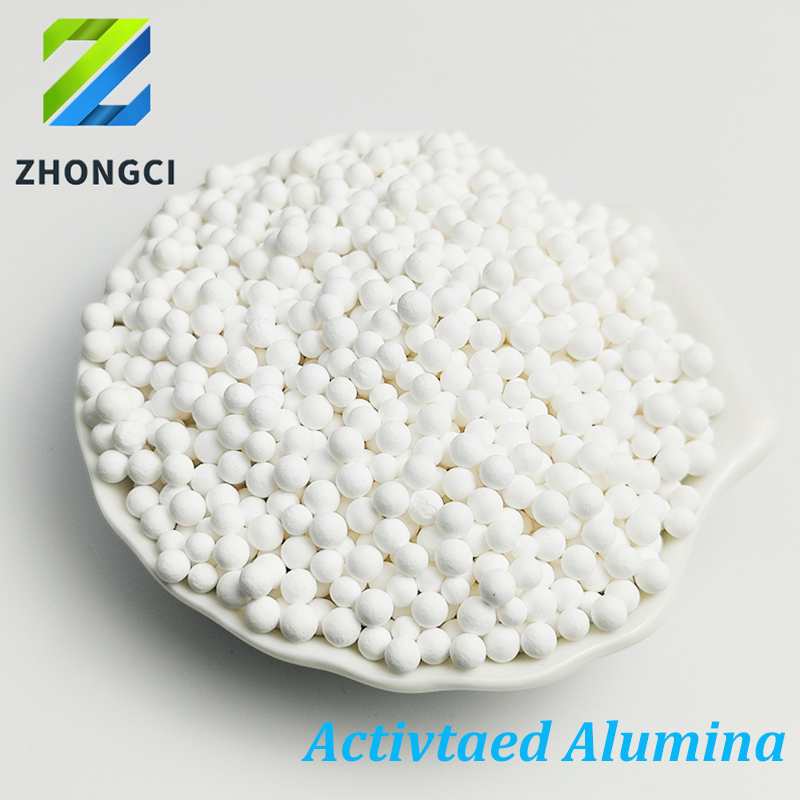
Activated alumina is a versatile material widely used in various industrial processes, including water treatment, adsorption, and catalysis. However, after extended use, it becomes spent and requires proper disposal to minimize environmental impact. This article provides an overview of activated alumina disposal, focusing on key considerations and methods.
Key Considerations in Activated Alumina Disposal
- Regeneration Potential: Before disposal, evaluating the possibility of regeneration is crucial. Studies have shown that the defluoridation capacity of activated alumina can be restored using sodium metaaluminate solutions, with regeneration efficiency influenced by concentration and time parameters.
- Pollutant Content: Spent activated alumina may contain adsorbed contaminants such as fluoride, heavy metals, or organic compounds. Proper characterization is necessary to determine hazardous properties and disposal routes.
- Environmental Regulations: Disposal methods must comply with local environmental standards to prevent soil and water contamination. Safe handling protocols are essential to mitigate risks associated with toxic residues.
Common Disposal Methods
- Landfill Disposal:
- Suitable for non-hazardous spent alumina after thorough washing to remove soluble contaminants.
- Requires compliance with landfill acceptance criteria for heavy metal leachate limits.
- Incineration:
- Used for alumina contaminated with organic pollutants, where high temperatures destroy hazardous organics.
- Ash residues may still require landfill disposal post-treatment.
- Recycling and Reuse:
- Regeneration via chemical treatments (e.g., sodium metaaluminate solutions) allows reuse in applications like defluoridation.
- Modified alumina can be repurposed as filler in plastics or rubber after silane treatment to enhance dispersibility.
- Hazardous Waste Treatment:
- For highly contaminated alumina, specialized treatment such as stabilization/solidification may be necessary to immobilize heavy metals before landfill.
Environmental Impact and Mitigation
- Leachate Control: Proper washing and neutralization of spent alumina reduce the risk of heavy metal leaching into groundwater.
- Resource Recovery: Regeneration processes not only extend the material lifespan but also reduce the need for virgin alumina production, lowering carbon footprint.
- Sustainable Practices: Promoting recycling and reuse aligns with circular economy principles, minimizing waste generation from industrial processes.
Conclusion
Effective activated alumina disposal requires a balance between technical feasibility, environmental safety, and regulatory compliance. Prioritizing regeneration and recycling where possible can significantly reduce waste, while proper characterization ensures appropriate handling of hazardous residues. Adopting these strategies supports sustainable industrial practices and minimizes ecological impact.