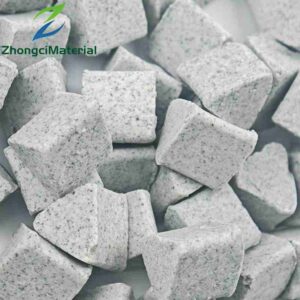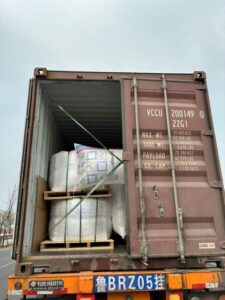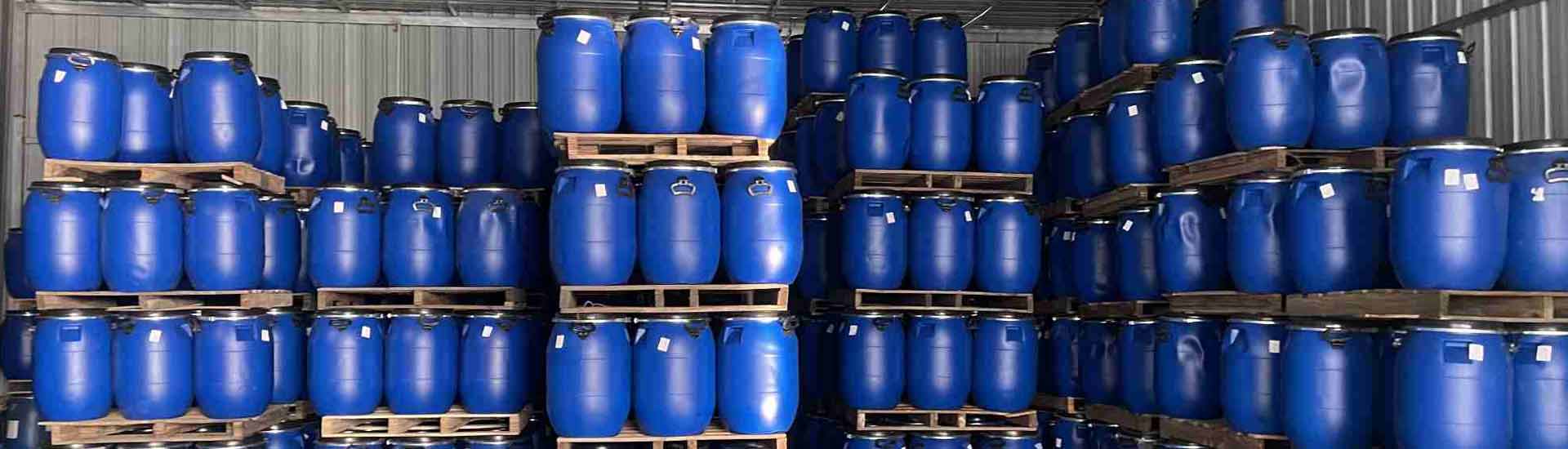

A carbon molecular sieve (CMS) factory is a specialized industrial facility dedicated to the production of carbon-based microporous materials designed for highly selective separation of gas molecules based on their size, shape, and diffusivity. These sieves are widely used in gas separation processes such as nitrogen generation from air, purification of industrial gases, and removal of trace contaminants like radon or xenon.
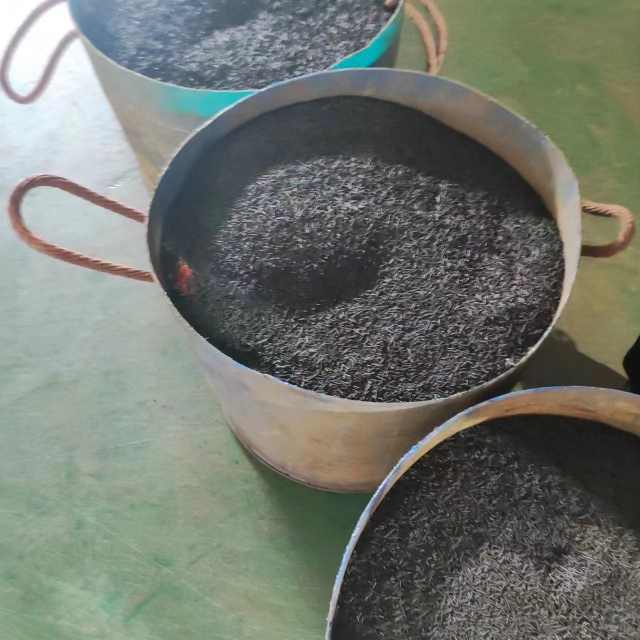
Core Production Process
The manufacturing process in a carbon molecular sieve factory typically begins with selecting suitable carbon-rich precursor materials. Such as coal, coconut shells, or synthetic polymers.
These raw materials are first carbonized under controlled inert conditions to form porous carbon structures. The critical step involves activation and pore-tuning, where the material is subjected to precise thermal treatments . (often in the range of 600–1000°C) in the presence of gases like CO₂ or steam. This step develops the sieve’s microporous structure with an average effective pore diameter ranging from about 3 to 20 Angstroms. It is essential for molecular-level separation.
Advanced factories may employ coating and membrane-forming techniques, such as using novolac phenol formaldehyde (PF) resin with hexamine. To produce carbon molecular sieve membranes (CMSM). These membranes are applied on porous supports via dip-coating and then carbonized in a single step. This ensures a smooth, defect-free separation layer suitable for high-efficiency gas permeation .
Key Applications and Performance
Carbon molecular sieves produced in such factories are primarily used in Pressure Swing Adsorption (PSA) systems for air separation. In the factory they selectively adsorb oxygen, allowing nitrogen to pass through. The performance of these sieves is evaluated based on their oxygen/nitrogen diffusivity selectivity, adsorption rates, and long-term stability under repeated pressure cycles.
Research has shown that the diffusion of oxygen and nitrogen in CMS is an activated process, well-described by the dual diffusion resistance model, which enables precise engineering of the sieve’s separation efficiency.
Advantages of Factory-Produced CMS
- Low-cost raw materials: Coal-based or biomass-derived feedstocks ensure economic viability and wide availability
- High selectivity: Capable of distinguishing between molecules with small differences in kinetic diameter (e.g., O₂ at 3.46 Å vs. N₂ at 3.64 Å)
- Durability: Inorganic carbon structure offers thermal and chemical stability in harsh environments
- Customizability: Factories can tailor pore size distribution for specific applications such as ethylene purification or sulfur removal from fuels
Safety and Environmental Considerations
During production and application, care must be taken when CMS comes into contact with reactive gases such as nitrogen trifluoride (NF₃), as sudden exposure can lead to rapid exothermic reactions due to the high surface area of the carbon media.
Conclusion
A modern carbon molecular sieve factory integrates materials science, chemical engineering, and advanced process control to produce high-performance adsorbents critical for industries ranging from food packaging (e.g., controlled atmosphere storage of apples) to petrochemical processing. With ongoing research into simulation methods like non-equilibrium molecular dynamics, future factories will further optimize CMS design for even higher efficiency and novel separation challenges.