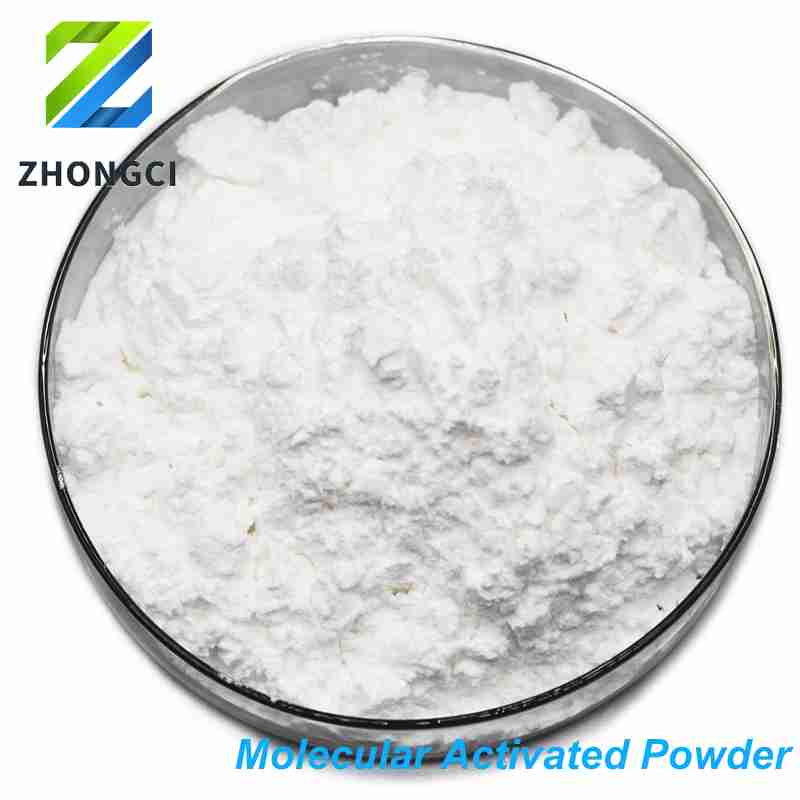
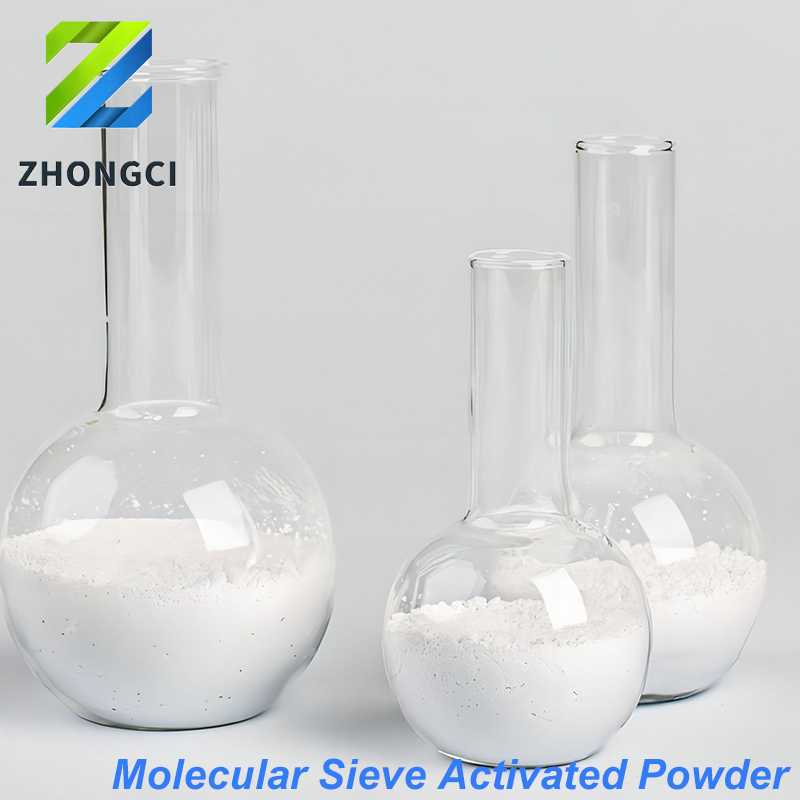
5A zeolite powder, a type of aluminosilicate molecular sieve with a specific pore size of approximately 5 Å (angstroms). It is widely recognized for its exceptional adsorption and ion-exchange capabilities. Its chemical formula is typically represented as Ca4.5Na3[(AlO2)12(SiO2)12]⋅30H2OCa4.5Na3[(AlO2)12(SiO2)12]⋅30H2O. Indicating a calcium-exchanged derivative of 4A zeolite, which enhances its selectivity for larger molecules and divalent cations.
Key Properties and Characteristics
- Adsorption Selectivity: The 5 Å pore size enables preferential adsorption of molecules with kinetic diameters ≤5 Å. Such as n-alkanes, carbon dioxide, and water vapor, making it ideal for gas separation and drying processes.
- Ion-Exchange Capacity: It exhibits high affinity for divalent cations like Ca2+Ca2+ and Mg2+Mg2+, which is critical for water softening applications. Experimental studies have shown its superior performance in removing calcium ions from wastewater compared to activated carbon and 13X zeolite.
- Thermal and Chemical Stability: Stable under high temperatures (up to 400°C after activation). And alkaline conditions, ensuring durability in industrial processes.
Synthesis and Preparation Methods
The production of 5A zeolite powder typically involves two main steps:
- Synthesis of 4A Zeolite Precursor: Using raw materials like fly ash or silica-alumina gels, 4A zeolite is first synthesized via hydrothermal reactions in alkali solutions. For example, a silica-saturated alkali solution containing zeolite seed crystals is heated under sealed conditions to form 4A zeolite powder.
- Calcium Ion Exchange: The 4A zeolite undergoes ion exchange with calcium salts (e.g., CaCl2CaCl2) to replace sodium ions with calcium ions, resulting in the formation of 5A zeolite. Optimal conditions include a 0.2 mol/L AgNO3AgNO3 solution for modified variants, as highlighted in studies on antibacterial 5A zeolite preparation.
Applications in Water Treatment and Industry
- Water Softening: Removes Ca2+Ca2+ and Mg2+Mg2+ ions from hard water, preventing scale formation in boilers and pipelines.
- Wastewater Remediation: Efficiently adsorbs heavy metals, ammonia nitrogen, and organic pollutants. For instance, it has been used in sulfur-zeolite fixed-bed reactors to remove nitrates from contaminated water.
- Gas Separation: Separates n-alkanes from branched or cyclic hydrocarbons in petroleum refining and purifies CO2CO2 from natural gas.
- Antibacterial Materials: When loaded with metal ions like Ag+Ag+ or Zn2+Zn2+ via ion exchange or atomic layer deposition (ALD), it exhibits strong antibacterial activity against pathogens like Staphylococcus aureus.
Conclusion
5A zeolite powder stands out as a versatile material in adsorption, catalysis, and environmental remediation due to its tailored pore structure and ion-exchange properties. Ongoing research into modified synthesis methods (e.g., using fly ash for sustainability) and advanced applications (e.g., bioregeneration in aerated filters) continues to expand its industrial relevance. Its role in water treatment, particularly for calcium removal and pollutant adsorption, underscores its importance in sustainable chemistry and environmental protection.