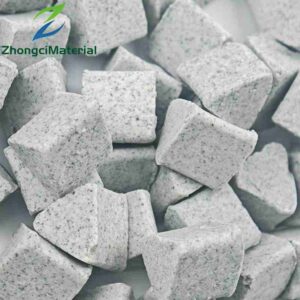
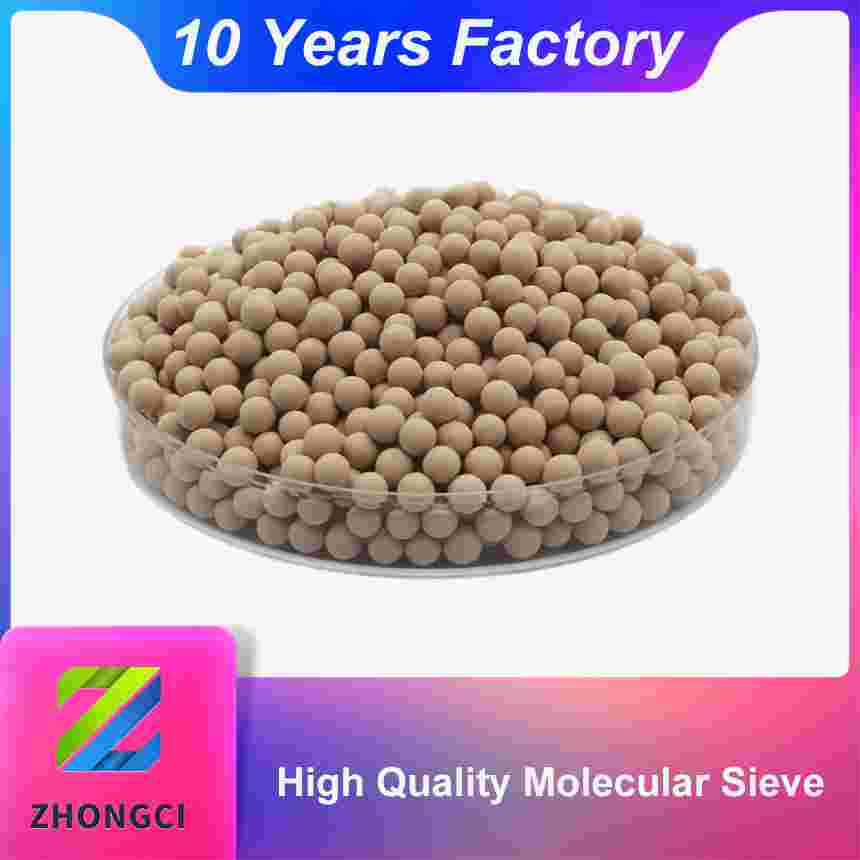
4A molecular sieve desiccant is one of the most widely used molecular sieve varieties in industry, with a pore size of approximately 4Å. Its adsorption performance is superior to many other desiccants, making it capable of adsorbing molecules with a diameter smaller than 4Å, such as water, methanol, ethanol, hydrogen sulfide, sulfur dioxide, carbon dioxide, ethylene, propylene, and propane. The chemical formula is Na₂O·Al₂O₃·2SiO₂·9/2H₂O, and the silica-alumina ratio (SiO₂/Al₂O₃) is approximately 2. Its technical indicators comply with the HG/T2524-2010 standard.
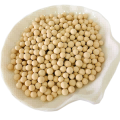
Applications of 4A Molecular Sieve Desiccant
- Depth drying of gases and liquids: It is mainly used for the depth drying of air, natural gas, alkanes, refrigerants and other gases and liquids. For example, it has wide applications in adsorption dryers and pipeline water removal.
- Argon production and purification: It can be used in the process of argon production and purification.
- Static drying: Suitable for the static drying of pharmaceutical packaging, electronic components and perishable substances.
- Dehydrating agent: Acts as a dehydrating agent in paints, polyester, dyes and coatings.
Storage and Packaging of 4A Molecular Sieve Desiccant
- Storage conditions: It should be stored at room temperature with an indoor relative humidity not exceeding 90%. It is necessary to avoid contact with water, acid and alkali. And should be stored in isolation from air and in a sealed manner.
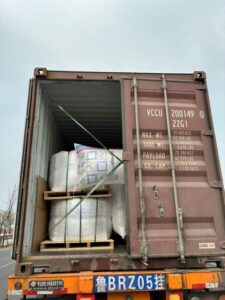
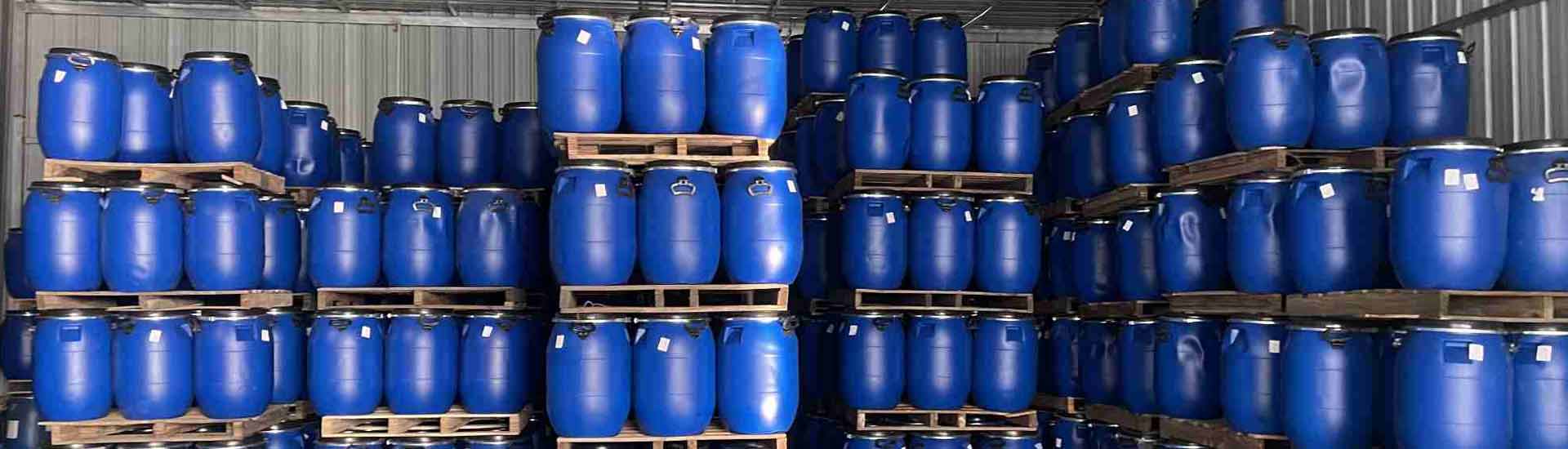
- Packaging specifications: Common packaging includes 25 kg cartons, 25 kg paper buckets, 30 kg sealed steel drums. 130 kg sealed steel drums (strip shape), and 150 kg sealed steel drums.
Comparison with Silica Gel Desiccant
| Comparison Items | 4A Molecular Sieve Desiccant | Silica Gel Desiccant |
|---|---|---|
| Composition | Mainly composed of silicate or aluminosilicate | Main component is SiO₂ |
| Structure | Crystalline with uniform pore size | Amorphous with a wide distribution of pore sizes, which are an order of magnitude larger than those of molecular sieves |
| Adsorption performance | Can reduce the moisture content in the air to below 0.01 g/m³; the water absorption is less affected by relative humidity, and it still has a high adsorption capacity even when the relative humidity is 10% | Can reduce the moisture content in the air to about 0.4 g/m³ |
| Main applications | Besides drying, it also has applications in fields such as catalyst | Mainly used for drying |