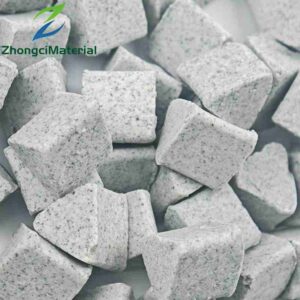
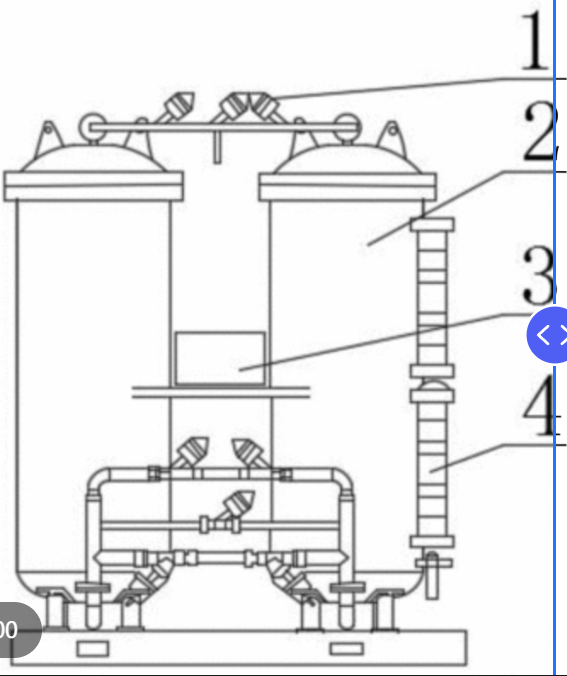
Nitrogen generator carbon molecular sieve mainly use in industrial applications to separate nitrogen and oxygen from air, achieving gas separation through physical adsorption. However, with the increasing global demand for virus prevention and control, researchers have begun to explore how to improve the performance of carbon molecular sieves to provide them with certain antiviral capabilities. The following will explore how to improve the antiviral performance of nitrogen generator carbon molecular sieves from the aspects of material modification, surface functionalization, and structural optimization.
1.Material modification: Introducing antiviral active ingredients
The main components of carbon molecular sieve are activated carbon or carbon based materials, which do not have significant antiviral ability on their own. However, through material modification, components with antiviral activity can be carbon molecular sieves, thereby endowing them with antiviral properties.
1.1 Metal ion doping
Some metal ions, such as silver, copper, zinc, etc., have broad-spectrum antibacterial and antiviral activity. Research has shown that silver ions (Ag ⁺) can damage the viral coat protein and genetic material, thereby inhibiting virus replication and transmission. By doping silver ions into carbon molecular sieves, their surfaces can be with antiviral capabilities. In addition, copper ions (Cu ² ⁺) and zinc ions (Zn ² ⁺) also exhibit similar antiviral effects.
1.2 Nanomaterial Composite
Nanomaterials (such as titanium dioxide, zinc oxide, etc.) can generate free radicals under light conditions and have photocatalytic antiviral effects. By combining nanomaterials with carbon molecular sieves, a layer of antiviral activity can be on the surface of the carbon molecular sieve. For example, titanium dioxide (TiO ₂) can generate reactive oxygen species (ROS) under ultraviolet irradiation, which can destroy the protein and nucleic acid structures of viruses, thereby achieving antiviral effects.
2.Surface functionalization: enhances antiviral activity
The surface properties of carbon molecular sieves have a significant impact on their antiviral performance. Surface functionalization treatment can enhance the antiviral activity of carbon molecular sieves.
2.1 Surface functional group modification
By introducing specific functional groups (such as carboxyl, amino, hydroxyl, etc.) on the surface of carbon molecular sieves, their interaction with viral particles can be enhanced. For example, carboxyl (- COOH) and amino (- NH ₂) groups can interact electrostatically with proteins on the surface of viruses, thereby inhibiting virus adsorption and infection. In addition, certain functional groups can also disrupt the structure of viruses through chemical bonding.
2.2 Surface coating technology
Coating a layer of antiviral coating on the surface of carbon molecular sieve can significantly improve its antiviral performance. For example, using polymer materials such as chitosan, polyethyleneimine, etc. as coatings can enhance the antiviral effect of carbon molecular sieves. Chitosan has broad-spectrum antibacterial and antiviral activity, and its positive charge can interact with the negative charge on the surface of the virus, thereby inhibiting its activity.
3. Structural optimization: Improve antiviral efficiency
The structural characteristics of carbon molecular sieves, such as pore size and specific surface area, also have a significant impact on their antiviral performance. By optimizing the structure of carbon molecular sieves, their antiviral efficiency can improve.
3.1 Pore size control
The size of viruses is usually between tens to hundreds of nanometers, therefore, by regulating the pore size of carbon molecular sieves, their ability to adsorb viruses can be enhanced. Research has shown that carbon molecular sieves with appropriate pore sizes can effectively capture virus particles, thereby inhibiting their spread. In addition, by adjusting the pore size distribution, the adsorption efficiency of carbon molecular sieves for viruses of different sizes can improve.
3.2 Optimization of specific surface area
The larger the specific surface area of carbon molecular sieve, the stronger its adsorption capacity. By optimizing the preparation process of carbon molecular sieves, their specific surface area can increase, thereby enhancing their adsorption effect on viruses. For example, by using chemical activation or physical activation methods, the porosity and specific surface area of carbon molecular sieves can increase, thereby improving their antiviral performance.
4.Research on antiviral mechanisms
In order to improve the antiviral performance of carbon molecular sieves, further research is needed on their antiviral mechanisms. At present, the antiviral mechanism of carbon molecular sieves mainly includes the following aspects:
4.1 Physical adsorption
Carbon molecular sieves capture virus particles through physical adsorption, thereby inhibiting their spread. After virus particles are on the surface of carbon molecular sieves, they are difficult to release back into the environment, thereby reducing the risk of virus infection.
4.2 Chemical inactivation
By introducing antiviral active ingredients or surface functionalization treatment, carbon molecular sieves can chemically inactivate viruses. For example, metal ions and nanomaterials can disrupt the protein and nucleic acid structures of viruses, thereby inhibiting their replication and infection.
4.3 Photocatalytic effect
Some nanomaterials can generate reactive oxygen species under light conditions, which can destroy the protein and nucleic acid structures of viruses, thereby achieving antiviral effects. By combining nanomaterials with carbon molecular sieves, they can be with photocatalytic antiviral ability.
5.Application prospects and challenges
Improving the antiviral performance of nitrogen generator carbon molecular sieves has broad application prospects, especially in medical, public health, food processing and other fields. However, this field still faces some challenges:
5.1 Security
When introducing antiviral active ingredients into carbon molecular sieves, it is necessary to ensure their safety. For example, metal ions and nanomaterials may pose potential hazards to human health and the environment, thus requiring strict safety assessments.
5.2 Cost effectiveness
Improving the antiviral performance of carbon molecular sieves may increase their production costs. Therefore, it is necessary to find a balance between performance improvement and cost control to ensure its feasibility in practical applications.
5.3 Long term stability
The antiviral performance of carbon molecular sieves requires long-term stability. During long-term use, the antiviral active ingredients may gradually become ineffective, so it is necessary to develop carbon molecular sieve materials with long-lasting antiviral capabilities.
conclusion
By means of material modification, surface functionalization, and structural optimization, the antiviral performance of nitrogen generator carbon molecular sieves can significantly improve. However, this field still faces challenges such as security, cost-effectiveness, and long-term stability. In the future, with the continuous deepening of materials science and virology research, the application prospects of carbon molecular sieves in the field of antiviral will be even broader.