PSA nitrogen molecular sieves avoid accidents during operation
Equipment installation and design aspects
Reasonable design of process flow: Base on actual production needs and gas properties, design a scientific and reasonable process flow to ensure that the system operates under stable parameters such as pressure, temperature, and flow rate, avoiding problems such as pressure build-up and overheating caused by unreasonable design. For example, it is necessary to choose the appropriate type and loading amount of molecular sieve, as well as the supporting adsorption tower, valves, and other equipment based on the nitrogen production capacity and nitrogen purity requirements.
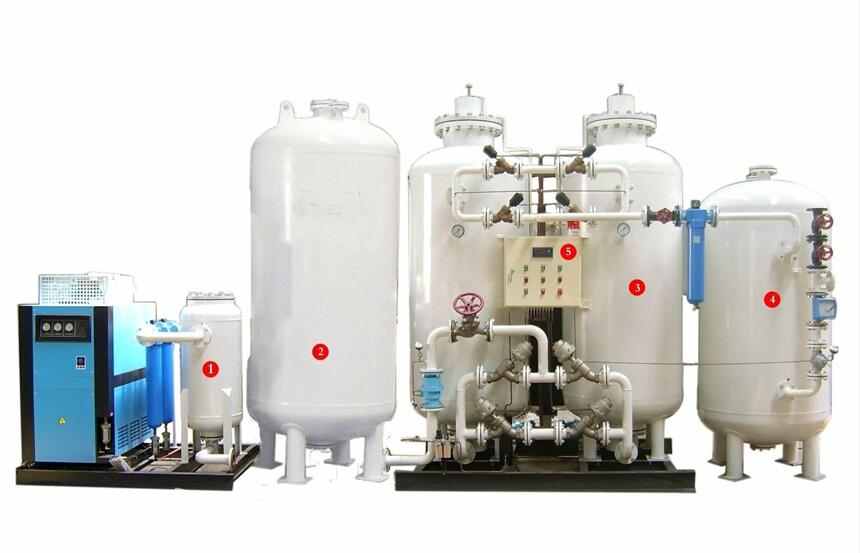
Ensure equipment quality: Choose reliable PSA nitrogen production equipment and molecular sieves products, and the equipment should have good sealing, pressure resistance, and stability. During the installation process, it is necessary to strictly follow the operating procedures to ensure that the equipment is installed firmly, the connecting pipes are leak free, and the electrical system is well-ground.
Operational aspects
Strictly follow the operating procedures: Operators need to undergo professional training, be familiar with the working principles, operating methods, and safety precautions of the equipment, and strictly follow the operating procedures for startup, shutdown, parameter adjustment, and other operations. For example, when starting up, it is necessary to start each device in the prescribed order, slowly increase the pressure, and avoid sudden pressure changes that may cause impact on the molecular sieve; When shutting down, it is necessary to first perform voltage reduction, replacement, and other operations to ensure system safety.
Real time monitoring of operating parameters: By installing pressure sensors, temperature sensors, flow sensors and other instruments in the system, real-time monitoring of system parameters such as pressure, temperature, flow rate, purity, etc., and setting reasonable alarm values. When the parameters exceed the normal range, timely measures should take to adjust them, such as adjusting the intake flow rate, switching the adsorption tower, etc., to prevent accidents caused by abnormal parameters.
Preventing impurities from entering the system: Before entering the PSA nitrogen production system, the raw gas must undergo strict pretreatment to remove impurities such as dust, oil, and moisture, in order to prevent these impurities from entering the molecular sieves bed, affecting the adsorption performance and service life of the molecular sieve, and even causing accidents such as blockage and poisoning. At the same time, it is necessary to regularly inspect and replace components such as filter cartridges and adsorbents in the pre-treatment equipment.
Maintenance and upkeep aspects
Regular equipment inspection: Conduct detailed inspections of PSA nitrogen production equipment, including the internal components, valves, pipelines, instruments, etc. of the adsorption tower, to check for wear, corrosion, leaks, and other issues, and promptly identify and address potential safety hazards. For severely worn components, they should replace in a timely manner; For leakage points, timely repair is necessary.
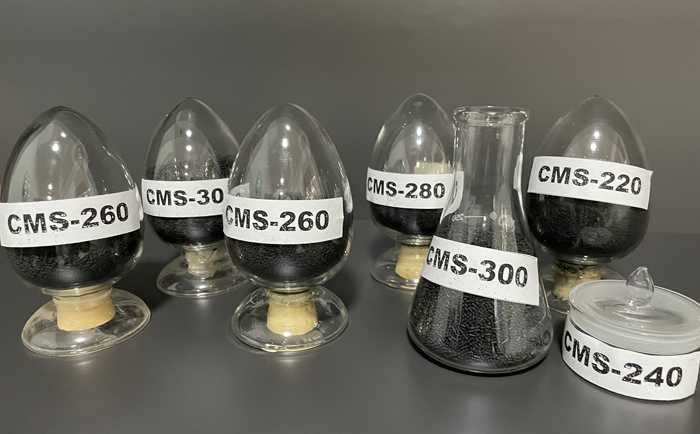
Molecular sieve performance monitoring and maintenance: Regularly test the performance of molecular sieves, such as adsorption capacity, separation efficiency, etc., and determine whether the molecular sieves need to activate, regenerate, or replace based on the test results. In general, after a period of use, molecular sieves may experience a decrease in performance due to adsorption saturation or contamination by impurities. At this time, regeneration treatment need to restore their adsorption performance. If the molecular sieve is severely-aged and its performance cannot restore through regeneration, it should replace with a new molecular sieve in a timely manner.
Prepare emergency plans: Develop comprehensive emergency plans, clarify emergency response procedures and division of responsibilities for possible emergencies such as system overpressure, fire, power outages, etc. Regularly organize emergency drills for operators to improve their ability to respond to sudden accidents, ensure that measures can take quickly and effectively in the event of an accident, and reduce accident losses.