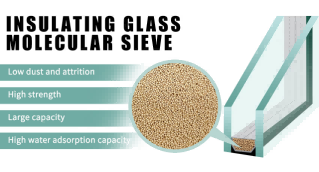
Hollow glass 3A molecular sieve is a type of adsorbent material in various industrial applications, particularly in the field of gas separation and purification. The term “3A” refers to the size of the pores within the molecular sieve, which allows it to selectively adsorb molecules with a diameter smaller than 3 angstroms (Å).
The hollow glass 3A molecular sieve made from a unique combination of materials, including silica, alumina, and other oxides. These components carefully selected and combined to create a material with highly uniform pore sizes and excellent mechanical strength. The manufacturing process involves heating the raw materials to high temperatures, which causes them to melt and form a solid, porous structure.
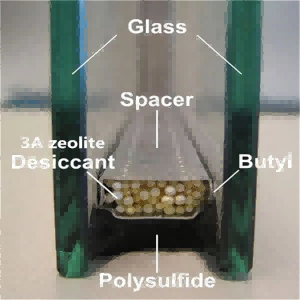
Features of hollow glass 3a molecular sieves
One of the key advantages of hollow glass 3A molecular sieves is their ability to selectively adsorb specific molecules based on their size and shape. This property makes them ideal for use in applications such as air purification, natural gas processing, and industrial gas separation. For example, in air purification systems, hollow glass 3A molecular sieves can be to remove impurities like carbon dioxide, water vapor, and other trace gases from compressed air, resulting in cleaner and more breathable air.
Another benefit of hollow glass 3A molecular sieves is their durability and resistance to chemical and thermal degradation. They can withstand high temperatures and harsh environments, making them suitable for use in a wide range of industrial processes. Additionally, hollow glass 3A molecular sieves are recyclable and can be regenerated by heating them to a temperature that causes the adsorbed molecules to desorb, allowing the material to be reused multiple times.
In summary, hollow glass 3A molecular sieves are an essential component in many industrial applications due to their unique properties, including selective adsorption, durability, and recyclability. As technology continues to advance, researchers and engineers are exploring new ways to optimize the performance and application of these materials, ensuring they remain at the forefront of gas separation and purification technologies.