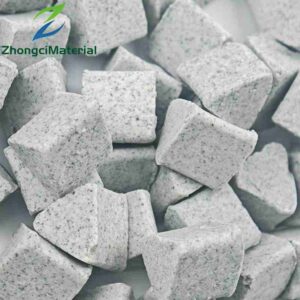
A carbon molecular sieve (CMS) is a type of adsorbent material from activated carbon with a unique pore structure. It is to selectively separate and purify gases based on their molecular size. This makes it an essential component in various industrial applications. High-quality carbon molecular sieves offer several advantages over other separation methods. Including high efficiency, low energy consumption, and minimal environmental impact.
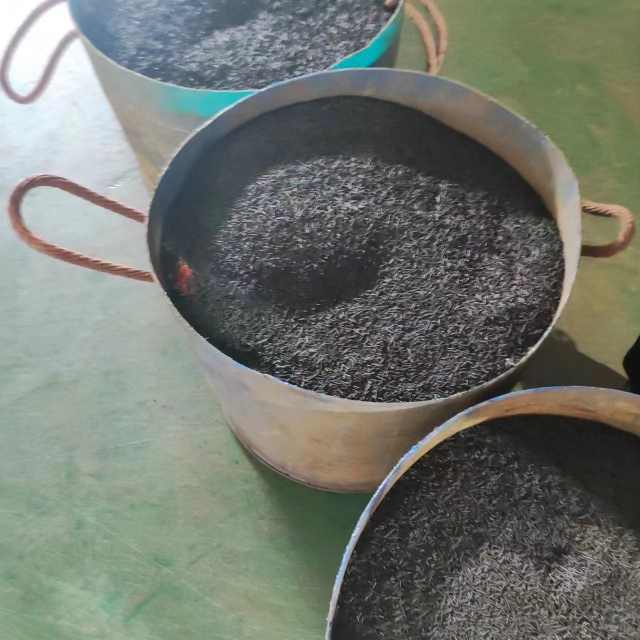
Key Features of High-Quality Carbon Molecular Sieve:
- Pore Size Distribution: The CMS has a precisely controlled pore size distribution. So this allows it to selectively adsorb specific gas molecules while allowing others to pass through. This property makes it highly effective in separating gases such as oxygen, nitrogen, argon, and carbon dioxide.
- High Surface Area: Activated carbon used in the production of CMS has a very high surface area. And this provides numerous sites for gas adsorption. This results in increased efficiency and capacity compared to other adsorbents.
- Chemical Stability: CMS is chemically stable and can withstand harsh operating conditions, including high temperatures and pressure variations. This makes it suitable for use in various industrial processes.
- Low Energy Consumption: The CMS separation process requires significantly less energy than conventional separation methods. Such as cryogenic distillation or chemical absorption. This contributes to lower operating costs and reduced carbon emissions.
- Reusability: High-quality CMS regenerated and reused multiple times, making it a cost-effective and environmentally friendly solution for gas separation.
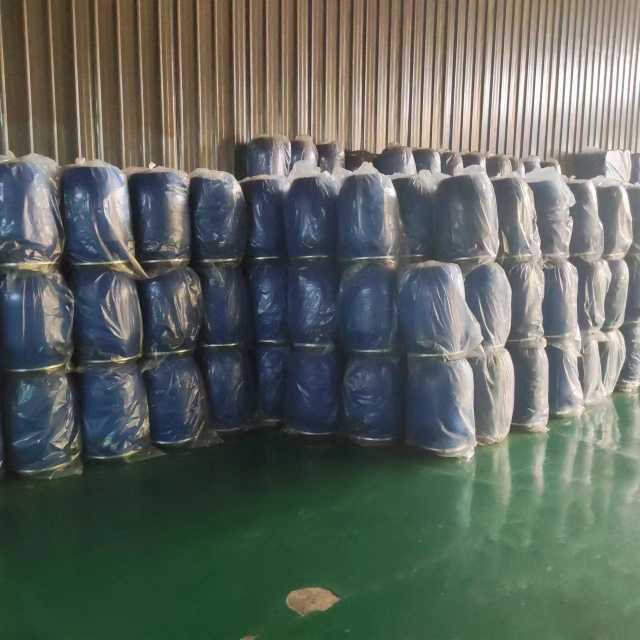
Applications of High-Quality Carbon Molecular Sieve:
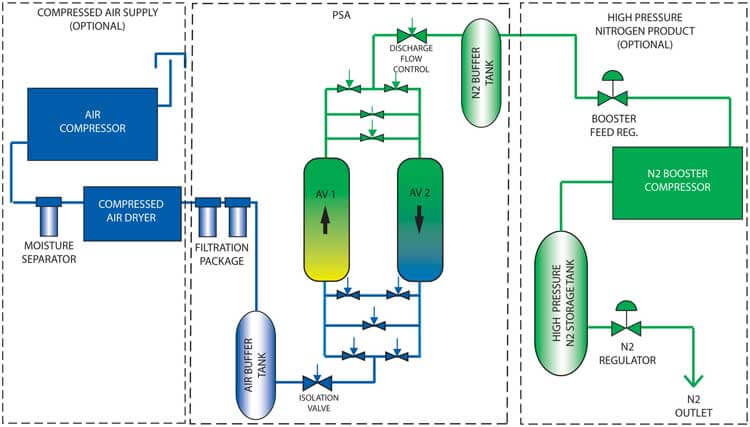
- Air Separation: CMS widely used in air separation plants to produce high-purity oxygen and nitrogen for various industrial and medical applications.
- Gas Purification: CMS is in the removal of impurities from natural gas, hydrogen, and other industrial gases, ensuring product quality and safety.
- Fuel Cell Technology: CMS utilized in the development of fuel cell technology, where it plays a crucial role in the efficient production of pure hydrogen for power generation.
- Environmental Remediation: CMS can be in the remediation of contaminated soil and groundwater by selectively adsorbing pollutants, such as volatile organic compounds (VOCs) and heavy metals.
- Food and Beverage Industry: CMS is in the purification of gases in food packaging and preservation, ensuring product quality and extending shelf life.
In conclusion, high-quality carbon molecular sieve offers numerous benefits for gas separation and purification applications due to its unique pore structure, high surface area, chemical stability, low energy consumption, and reusability. Its versatility and effectiveness make it an indispensable tool in various industries, contributing to improved product quality, reduced energy consumption, and minimal environmental impact.