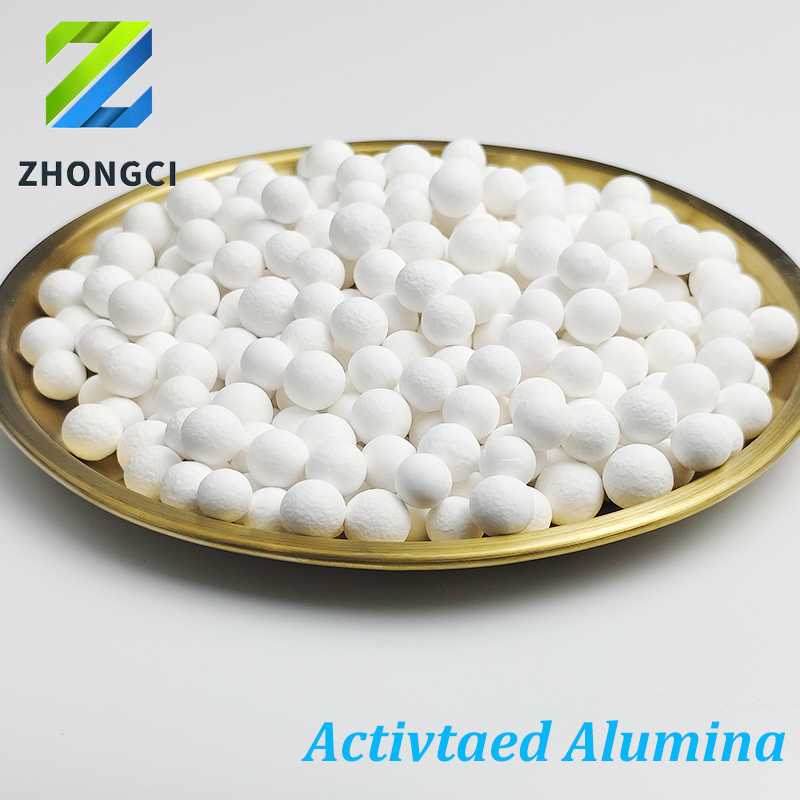
Activated alumina, also known as activated aluminum oxide, is a highly porous and chemically active form of aluminum oxide (Al2O3). It is widely used in various industrial applications due to its unique properties, such as high surface area, excellent adsorption capacity, and chemical stability. In this article, we will discuss the key features and applications of high-quality activated alumina.
Key Features of High-Quality Activated Alumina:
- High Surface Area: Activated alumina has an extremely high surface area, typically ranging from 80 to 200 m²/g. This large surface area allows for efficient adsorption and reaction with other substances, making it ideal for various applications.
- Porous Structure: The activated alumina particles have a highly porous structure, which provides numerous sites for adsorption and reaction. This unique structure contributes to its excellent adsorption capacity and chemical stability.
- Chemical Stability: Activated alumina is highly resistant to chemical reactions, making it suitable for use in harsh environments. It can withstand high temperatures and is not easily affected by acids or bases.
- Adsorption Capacity: High-quality activated alumina exhibits excellent adsorption capacity, allowing it to efficiently remove impurities, moisture, and other contaminants from various materials.
Applications of High-Quality Activated Alumina:
- Water Treatment: Activated alumina is widely used in water treatment processes, such as dehumidification, demineralization, and desalination. It can effectively remove dissolved organic compounds, heavy metals, and other impurities from water, making it suitable for drinking water purification and wastewater treatment.
- Air Purification: Activated alumina can be used in air purification systems to remove harmful gases, odors, and particulate matter from the air. It is particularly effective in removing volatile organic compounds (VOCs) and other air pollutants.
- Catalysts and Adsorbents: Activated alumina serves as an excellent catalyst and adsorbent in various chemical processes. It can facilitate chemical reactions, promote phase changes, and remove impurities from reaction mixtures.
- Pharmaceutical Industry: Activated alumina is used in the pharmaceutical industry for drug formulation and purification. It can help improve the bioavailability of drugs and remove impurities from raw materials and finished products.
- Energy Storage: Activated alumina is employed in energy storage devices, such as batteries and fuel cells, to enhance their performance and durability. It can improve the conductivity of electrolytes and prevent corrosion of electrodes.
In conclusion, high-quality activated alumina is a versatile material with numerous applications across various industries. Its unique properties, including high surface area, porous structure, chemical stability, and adsorption capacity, make it an essential component in many industrial processes. As research continues, we can expect even more innovative uses for activated alumina in the future.