Introduction to High-Alumina Inert Ceramic Balls
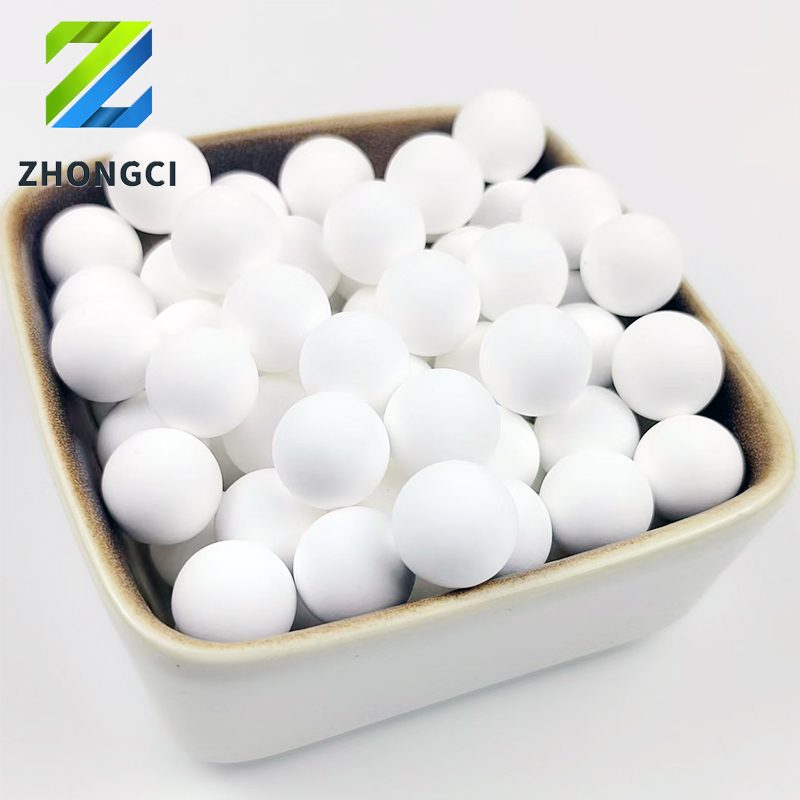
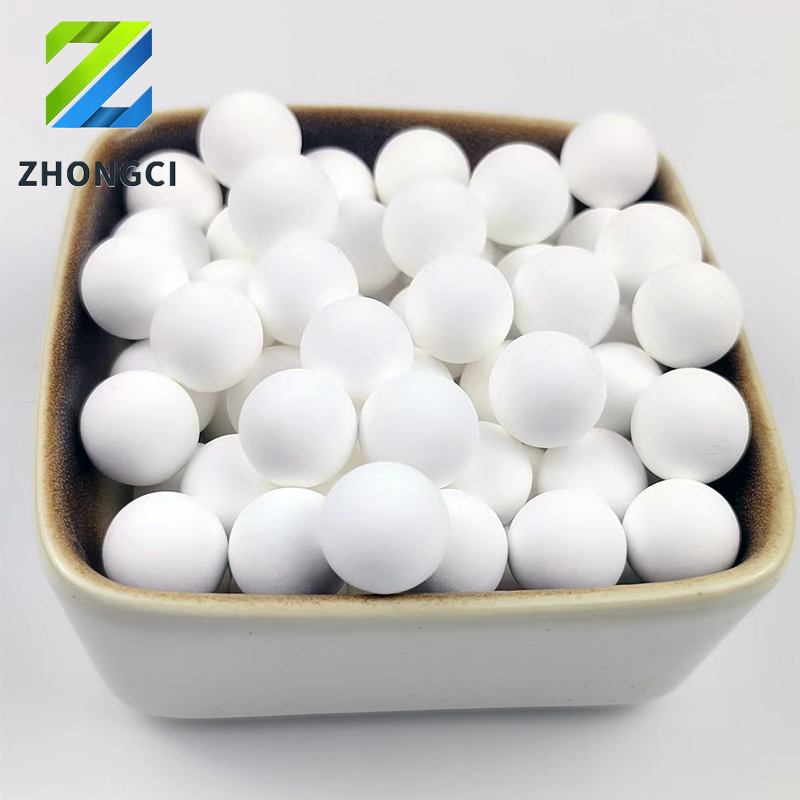
High-alumina inert ceramic balls are specialized industrial ceramics widely used as supporting and covering materials for catalysts in reactors and as tower packings. Renowned for their exceptional properties, they play a critical role in ensuring efficient and stable operations across various sectors. These ceramic balls are primarily composed of high-purity alumina (Al₂O₃) and other refractory materials, which contribute to their superior performance under extreme conditions.
Core Properties and Technical Advantages
- High Temperature and Pressure Resistance: These ceramic balls can withstand temperatures ranging from 1300°C to 1700°C. Making them suitable for high-temperature industrial processes.
- Chemical Stability: They exhibit excellent resistance to acids (≥98% acid resistance) and alkalis (80–95% alkali resistance). Ensuring durability in corrosive environments.
- Low Water Absorption: With a water absorption rate of ≤5%, they maintain structural integrity and prevent performance degradation in moist conditions.
- Mechanical Strength: Manufactured using advanced processes like rolling and isostatic pressing, they offer high density and wear resistance, reducing maintenance costs.
Classification by Alumina Content
High-alumina inert ceramic balls are categorized based on their Al₂O₃ content, which determines their application scope:
| Material Type | Al₂O₃ Content Range | Typical Applications |
|---|---|---|
| Feldspathic | 20–30% | General-purpose support in low-corrosion environments |
| Feldspar-Mullite | 30–45% | Moderate-temperature catalytic processes |
| Mullite | 45–70% | High-temperature reactors in chemical industries |
| Mullite-Corundum | 70–90% | Severe conditions with high pressure and corrosion |
| Corundum | ≥90% | Ultra-high-temperature applications (e.g., petrochemical refining) |
Industrial Applications
High-alumina inert ceramic ball are indispensable in the following industries:
- Petrochemical & Refining: As catalyst supports in cracking and reforming reactors, ensuring uniform fluid distribution and protecting fragile catalysts.
- Chemical & Fertilizer Production: Used in towers and reactors for gas purification and synthetic processes, enhancing reaction efficiency.
- Environmental Protection: Applied in wastewater treatment and flue gas desulfurization systems to support adsorbents and improve pollutant removal.
- Natural Gas Processing: Facilitate separation and purification processes under high pressure and temperature.
Conclusion
High-alumina inert ceramic balls exemplify the fusion of material science and industrial innovation. Their robust properties, diverse material grades. And wide-ranging applications make them a cornerstone of modern industrial processes. As industries continue to demand higher efficiency and reliability, these ceramic balls will remain vital in optimizing operations and reducing environmental impact.