Access to safe drinking water is an effective guarantee for people’s health. The rural drinking water safety project being implemented nationwide is an important measure to achieve this guarantee. Adopting appropriate water treatment technology is crucial to achieving this guarantee goal.
Drinking water activated alumina defluorination method
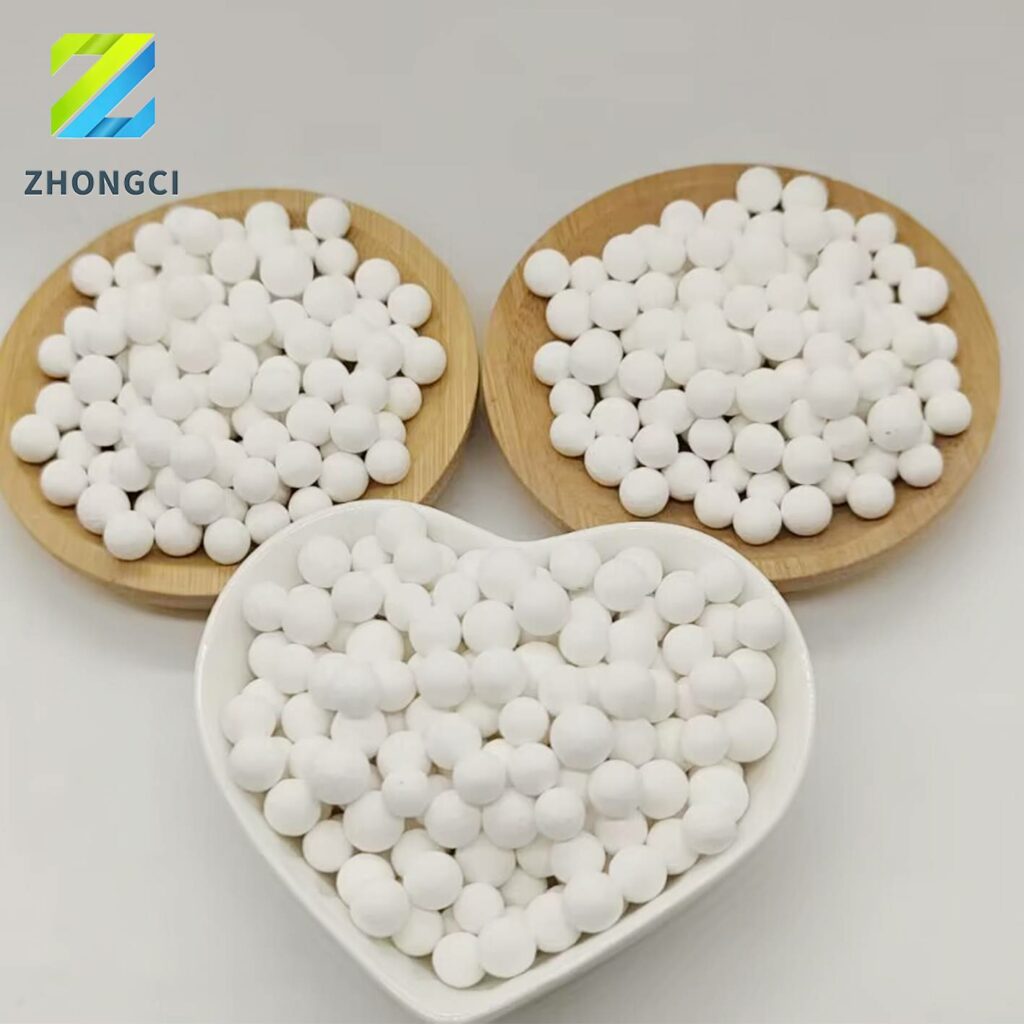
Commonly used methods include activated alumina method, zeolite (molecular sieve), etc. This type of adsorbent has special adsorption and exchange effects, and can be regenerated after adsorption saturation, which is incomparable to other methods.
Drinking water activated alumina defluorination method
Activated alumina has been used to remove fluoride from rural drinking water for a long time. It is still a widely used method for simple fluoride removal. It selectively removes fluoride and does not adsorb other ions. The requirements for water quality pretreatment are not very strict, so it is widely used. Its disadvantage is that the adsorption of fluoride by activated alumina is several times lower than that of fluoride removal carbon water purification components, and the regeneration process is complicated and difficult after adsorption saturation. The treated water has increased aluminum ions and sulfate ions, making the water feel bitter. The biggest negative impact is that aluminum ions can increase the risk of Alzheimer’s disease. Zeolite and ion exchange methods are rarely used now because of their backward technology, low adsorption of fluoride, and high cost of treated water.