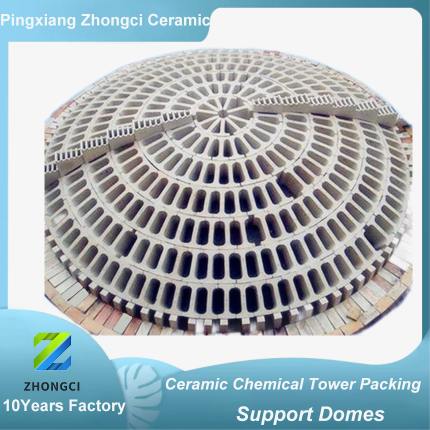
An Acid Alkali Resistant Ceramic Self-Supporting Dome is a specialized architectural or engineering structure designed for extreme chemical environments. It combines three critical features: chemical resistance (to acids and alkalis), structural autonomy (self-supporting), and advanced ceramic material science. Below is a detailed breakdown:
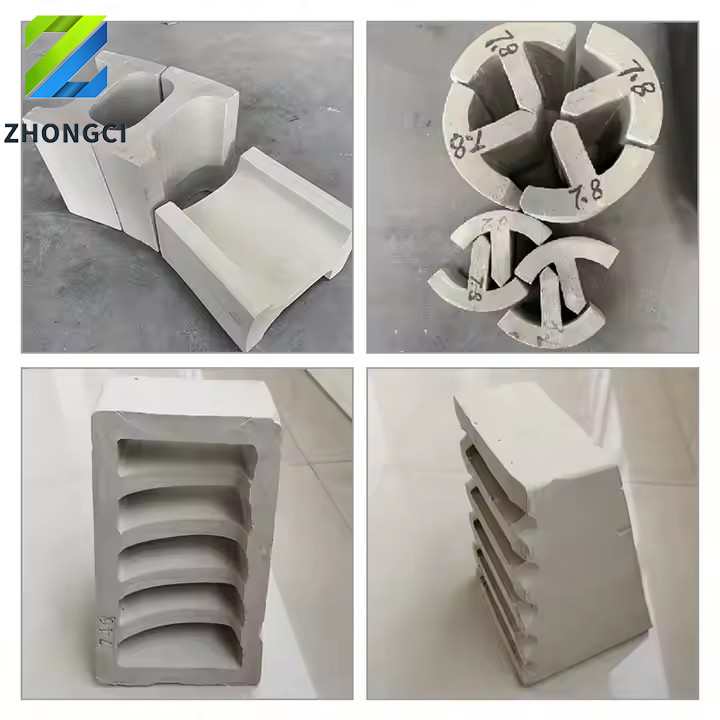
1. Core Material: Acid/Alkali-Resistant Ceramic
- Chemical Resistance: The ceramic matrix is engineered to withstand corrosive substances like strong acids (e.g., sulfuric acid) and alkalis (e.g., sodium hydroxide). This property is achieved through specialized compositions, such as boron-containing or nitride-based ceramics, which form inert barriers against chemical degradation.
- Material Composition: May include composites like boron nitride infused with metals (e.g., via reactive infiltration), creating a dense, non-porous microstructure that blocks corrosive penetration .
2. Self-Supporting Structure
- Manufacturing Process: The dome is fabricated using methods like oxidation-driven growth or reactive infiltration. In the former, molten precursor metal is oxidized with a vapor-phase oxidant, forming a rigid ceramic body that grows autonomously without external supports. The latter involves infiltrating a parent metal (e.g., aluminum) into a boron nitride matrix, resulting in a cohesive, load-bearing composite.
- Structural Integrity: The resulting ceramic-metal composite matrix provides high mechanical strength, enabling the dome to bear its own weight and external loads (e.g., pressure, wind) without reinforcement.
3. Dome Geometry: Functional Advantages
- Stress Distribution: The hemispherical shape evenly disperses mechanical stress, enhancing durability in high-pressure or corrosive settings (e.g., chemical storage tanks).
- Seamless Design: Minimizes joints or seams where corrosion could initiate, crucial for maintaining integrity in aggressive environments.
4. Applications in Extreme Environments
- Chemical Processing: Ideal for reactor linings, exhaust stacks, or containment domes in acid/alkali manufacturing plants.
- Nuclear/Waste Management: Resists radioactive or hazardous chemical leaks in storage facilities.
- Oil/Gas Industry: Protects equipment in corrosive extraction or refining processes.
5. Performance Highlights
- Thermal Stability: Withstands high temperatures (common in chemical reactions) due to ceramic refractoriness.
- Longevity: Reduced maintenance needs compared to polymer or metal alternatives vulnerable to corrosion.
Conclusion
The Acid Alkali Resistant Ceramic Self-Supporting Dome exemplifies advanced material engineering, merging corrosion resistance with structural innovation. Its fabrication via oxidation or reactive infiltration ensures robustness, while the dome design optimizes functionality in industries demanding extreme chemical resilience. For technical specifics on materials like boron nitride composites or reactive infiltration patents for acid/alkali resistance mechanisms, refer .