
Analysis of key upstream technologies in the carbon molecular sieve industry chain
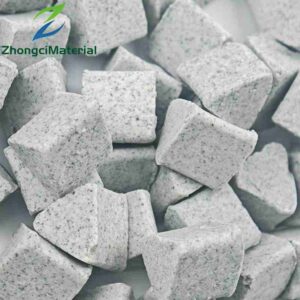
The key technologies upstream of the carbon molecular sieve industry chain mainly focus on raw material processing and core preparation processes, which directly affect product performance and cost control. In terms of raw materials, it is necessary to improve the purity and pretreatment of basic materials such as activated carbon and diatomaceous earth, and provide high-quality substrates for subsequent synthesis through processes such as removing impurities and adjusting pore structure. In the core preparation technology, pore control technology is key, such as using nanotechnology and surface modification technology to precisely control the pore size and distribution of carbon molecular sieves, in order to enhance their adsorption selectivity for specific gas molecules. Moreover, the optimization of activation processes through high-temperature activation, chemical vapor deposition, and other methods further enhances the adsorption capacity and stability of materials, laying a performance foundation for downstream applications.
Exploration of Key Technologies in the Midstream of Carbon Molecular Sieve Industry Chain
The technical core of the midstream production process revolves around large-scale synthesis and quality control. In the synthesis process, enterprises need to master continuous production technology to achieve efficient conversion from raw powder to formed molecular sieves, while ensuring batch stability of products through crystallization condition regulation (such as temperature, pressure, reaction time). In terms of quality control, performance testing technology is crucial, including adsorption efficiency testing, life evaluation, etc. A strict indicator system needs to meet the needs of different downstream scenarios, such as carbon molecular sieves used in nitrogen generators that need to achieve high nitrogen purity and long cycle life. In addition, industrial chain integration technology helps enterprises achieve integrated management from raw materials to finished products, reduce energy consumption and costs by optimizing production processes, and enhance market competitiveness
Application of key downstream technologies in the carbon molecular sieve industry chain
Technological innovation in downstream application areas focuses on customized solutions and system integration. In the field of gas separation, the combination of pressure swing adsorption (PSA) technology and carbon molecular sieves is the core. By optimizing the adsorption desorption cycle parameters, nitrogen and oxygen production efficiency improved, and widely used in industries such as chemical and electronics. In environmental governance scenarios, efficient adsorption and regeneration technologies achieve precise capture and material recycling of pollutants. For example, in air purification and carbon dioxide capture, the surface chemical properties of molecular sieves need to be designed according to the characteristics of different pollutants. In addition, equipment adaptation technology ensures compatibility between carbon molecular sieves and downstream equipment, such as linkage control with large-scale air separation equipment, which requires optimization of system response speed and stability based on engineering experience.
Cross link key technology collaboration in the industrial chain
Cross link technological collaboration is the core of enhancing the overall competitiveness of the industrial chain. The mechanism of industry university research cooperation promotes the connection between upstream basic research and downstream application needs, accelerating the transformation of innovative achievements such as nanotechnology and new activation processes. Digital control technology enables data tracking from raw material procurement to terminal applications, optimizing supply chain efficiency through IoT and big data analysis, such as real-time monitoring of the impact of raw material price fluctuations on production costs. At the same time, green production technology runs through the entire industry chain, with environmentally friendly pretreatment processes adopted in the upstream, energy-saving synthesis routes promoted in the midstream, and recyclable molecular sieve products developed in the downstream, jointly supporting the sustainable development of the industry.