
Introduction
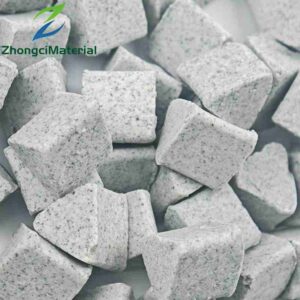
Activated alumina adsorbent is a highly versatile adsorbent with a wide range of applications across various industries. This document provides an overview of its key applications and usage guidelines.
Key Properties
Activated alumina is a metal oxide with a high specific surface area and excellent adsorption performance. It has high resistance to acid and alkali, as well as good thermal stability, making it suitable for use in extreme environments such as strong acids and alkalis.
Applications
Water Treatment
- Anion Removal: It is particularly effective in removing anions such as fluoride ions and phosphate ions from water. In areas with high fluoride content in drinking water, activated alumina can be used as a defluorination agent to ensure water safety.
- Removal of Heavy Metals and Organic Matter: Although not as effective as activated carbon for removing heavy metal ions and organic matter in general, it can still play a certain role in water purification.
Air Purification
- Removal of Harmful Gases and Odors: Activated alumina adsorbent can effectively adsorb harmful gases and odor substances in the air, improving indoor and outdoor air quality.
Gas and Liquid Drying
- Drying of Gases: It is used for drying various gases, including those in the petroleum and chemical industries, textile industry, and oxygen – making industry. Under certain operating and regeneration conditions, it can achieve a high drying depth, reaching a dew point temperature below -70°C.
- Drying of Liquids: Suitable for drying liquids, especially those with strong polarity. The pressure, concentration, molecular weight, temperature of the gas, and the active sites of the molecules all affect the adsorption effect.
Catalyst Carrier
- Enhancing Catalyst Performance: In the petroleum and chemical industries, activated alumina is widely used as a catalyst carrier. Its large specific surface area provides more active sites for the catalyst, increasing the reaction activity. It also has good chemical and thermal stability, ensuring the stability of the catalyst during the reaction.
Usage and Maintenance
Usage
- Proper Dosage: Determine the appropriate amount of activated alumina based on the specific application, such as the volume of water or gas to be treated, and the concentration of contaminants.
- Operating Conditions: Control the operating conditions, including temperature, pressure, and flow rate, to ensure optimal adsorption performance.
Regeneration
- Heating Regeneration: Usually, heating regeneration is used, often with hot nitrogen for purging. The process includes heating, washing, and cooling steps. Higher heating temperatures generally result in better desorption and regeneration effects. However, high – concentration water vapor at high temperatures can damage the structure of activated alumina, so it is necessary to purge the activated alumina bed with nitrogen, air, product gas, or other suitable gases during heating 3.
Storage
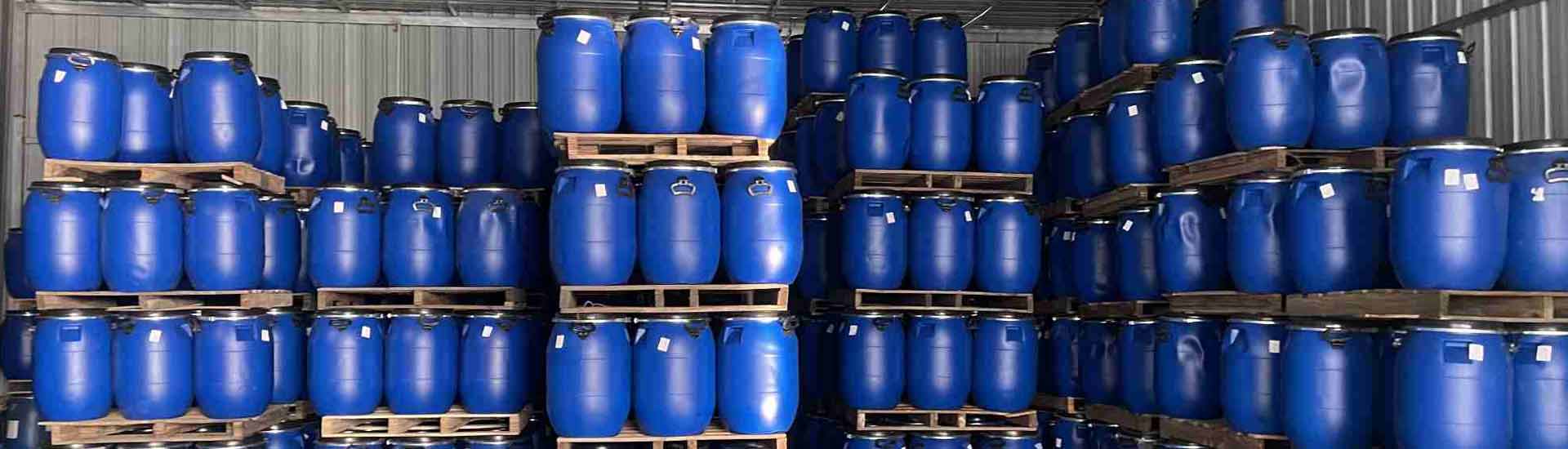
- Keep Dry: Store activated alumina in a dry environment to prevent it from adsorbing moisture before use.
Conclusion
Activated alumina adsorbent is a valuable material with diverse applications. By understanding its properties, applications, and proper usage and maintenance methods, users can make the most of its advantages in various industrial and environmental protection fields.