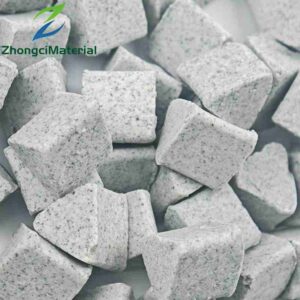
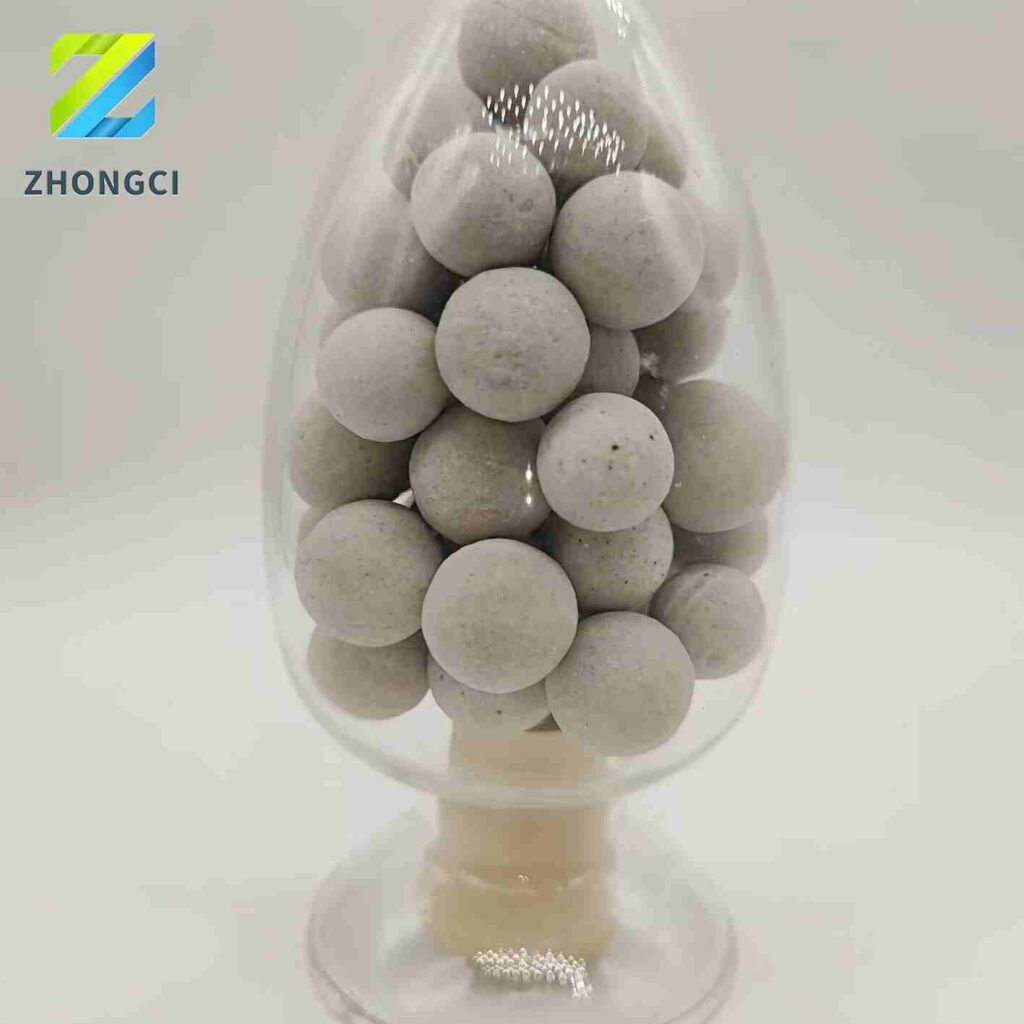
Ceramic tower packing balls are essential components in industrial separation and absorption processes, designed to enhance mass transfer efficiency in packed towers. These ceramic-based products are widely used in sectors such as petroleum, chemical engineering, environmental protection, and chlor-alkali industries due to their excellent chemical resistance, thermal stability, and structural durability.
Key Characteristics and Types
Ceramic tower packing balls exhibit several critical features that make them suitable for industrial applications:
- Corrosion Resistance: They withstand most inorganic acids, alkalis, and organic solvents (except hydrofluoric acid), ensuring longevity in harsh environments.
- High Surface Area: Porous or perforated designs maximize contact between gas and liquid phases, improving separation efficiency.
- Thermal Stability: Capable of operating under extreme temperature conditions, making them ideal for high-temperature distillation or absorption processes.
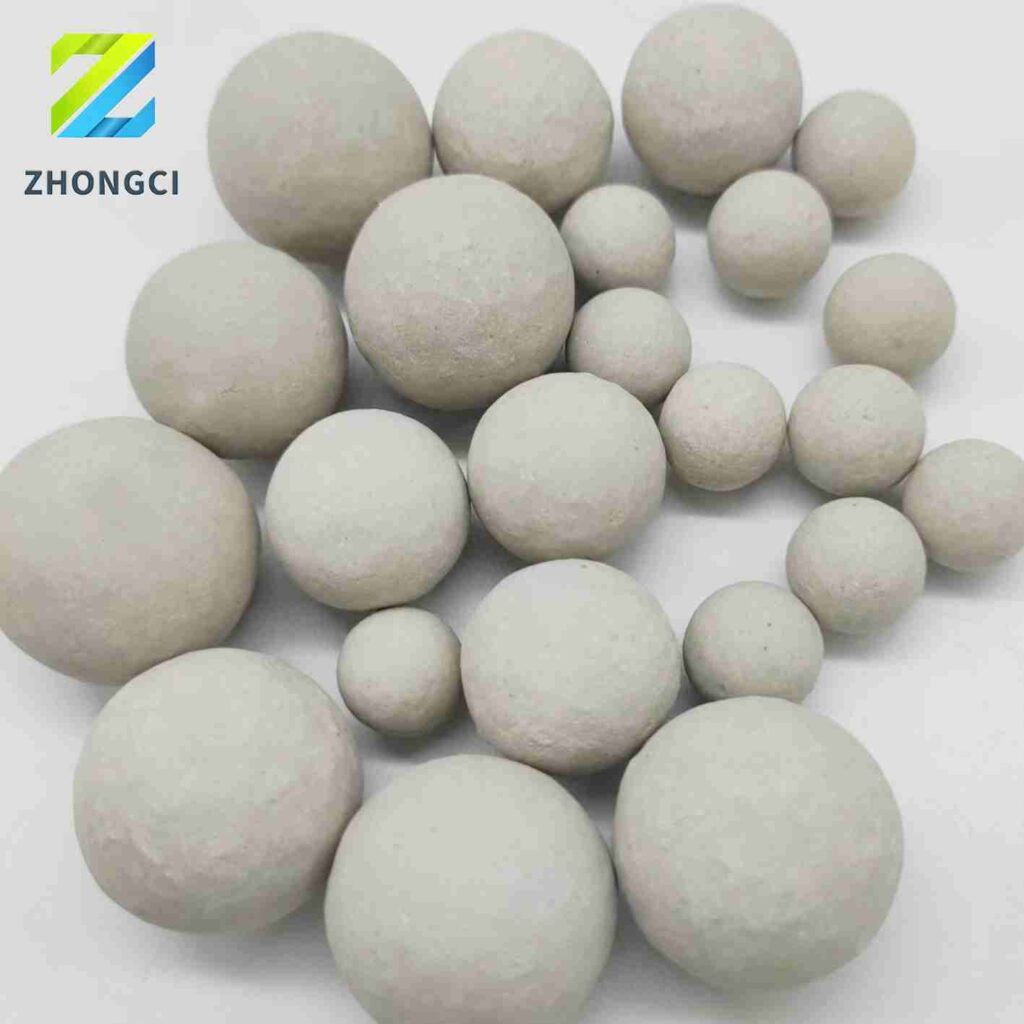
Common types include:
- Porous Alumina Ceramic Balls: Used for catalyst support and gas purification due to their porosity3.
- Refractory Ceramic Balls: Employed in high-temperature reactors and tower linings to resist wear and thermal shock.
Manufacturing Process
The production of ceramic tower packing balls typically involves:
- Raw Material Preparation: Blending high-purity alumina or refractory clay with additives to enhance sintering properties.
- Molding: Shaping the mixture into spherical forms via extrusion or isostatic pressing.
- Sintering: Firing at temperatures exceeding 1,500°C to achieve high mechanical strength and chemical inertness.
- Surface Treatment: Optional perforation or glazing to tailor porosity and surface texture for specific applications.
Applications and Market Trends
Ceramic tower packing balls are integral to processes such as:
- Distillation and Absorption: In petroleum refineries and chemical plants for separating volatile components.
- Environmental Protection: Removing pollutants from industrial exhaust gases in scrubbing towers.
- Catalyst Support: Supporting catalytic materials in reactors for processes like hydrogenation.
Market data indicates growing demand for specialized variants, such as high-alumina and porous ceramic balls, driven by advancements in chemical processing and environmental regulations3. For instance, SEO-optimized keywords like “alumina ball mill media” and “refractory ceramic ball” reflect increased industrial focus on these products.
Conclusion
Ceramic tower packing balls play a pivotal role in optimizing industrial separation efficiency, offering a balance of performance and cost-effectiveness. As industries continue to prioritize sustainability and process optimization, innovations in material science and manufacturing techniques are expected to further enhance their functionality, expanding their applications in emerging sectors such as green energy and advanced chemical synthesis.