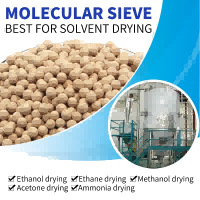
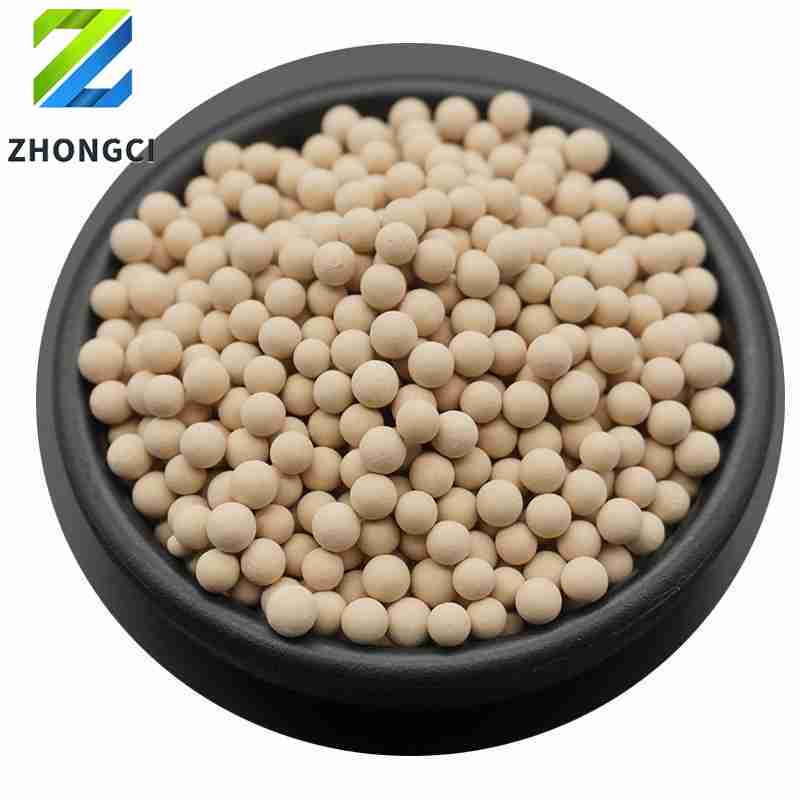
Natural gas drying molecular sieve is a class of synthetic silicate or aluminosilicate materials with uniform micropores (typically 0.3–2 nm) that selectively adsorb molecules based on size and polarity. Thus, in natural gas processing, they play a critical role in deep dehydration, ensuring pipeline safety and preventing equipment corrosion by removing moisture and impurities.
Key Types and Applications in Natural Gas Drying
Different molecular sieves are tailored for specific drying needs in natural gas processing. The most widely used types include:
| Type | Effective Pore Size | Chemical Formula | Primary Applications in Natural Gas Drying |
|———-|————————-|————————————-|—————————————————————————————————————-|
Molecular sieve | 3A | 2/3K₂O·1/3Na₂O·Al₂O₃·2SiO₂·9/2H₂O | Drying of natural gas and methane; avoids adsorption of larger hydrocarbons.
| 4A | ~4Å | Na₂O·Al₂O₃·2SiO₂·9/2H₂O | Deep drying of natural gas, removal of trace moisture; compatible with LPG and hydrocarbon liquids.
| 5A | 3/4CaO·1/4Na₂O·Al₂O₃·2SiO₂·9/2H₂O | Drying and purification of natural gas. Moreover, separation of alkanes (e.g., ethane/propane) via pressure swing adsorption.
| 13X | ~10Å | Na₂O·Al₂O₃·(2.8±0.2)SiO₂·(6-7)H₂O | Simultaneous removal of H₂O and CO₂; desulfurization (H₂S and mercaptans) in natural gas and LPG.
Operational Advantages
Natural gas drying molecular sieve outperform conventional desiccants in natural gas drying due to their unique properties:
- High Adsorption Capacity: Microporous structure provides exceptional surface area for moisture capture.
- Selectivity: Preferential adsorption of polar molecules (e.g., water) while excluding larger non-polar hydrocarbons.
- Regenerability: Can be reused via thermal regeneration (200–350°C) with dry gas, reducing operational costs.
Regeneration and Storage Guidelines
To maintain efficiency, proper regeneration and storage are essential:
- Regeneration Process:
- Use dry gas at 200–350°C under 0.3–0.5 Kg/cm² pressure for 3–4 hours, ensuring outlet temperature reaches 110–180°C.
- Cool the sieve bed before reuse to prevent moisture re-adsorption.
- Storage Conditions:
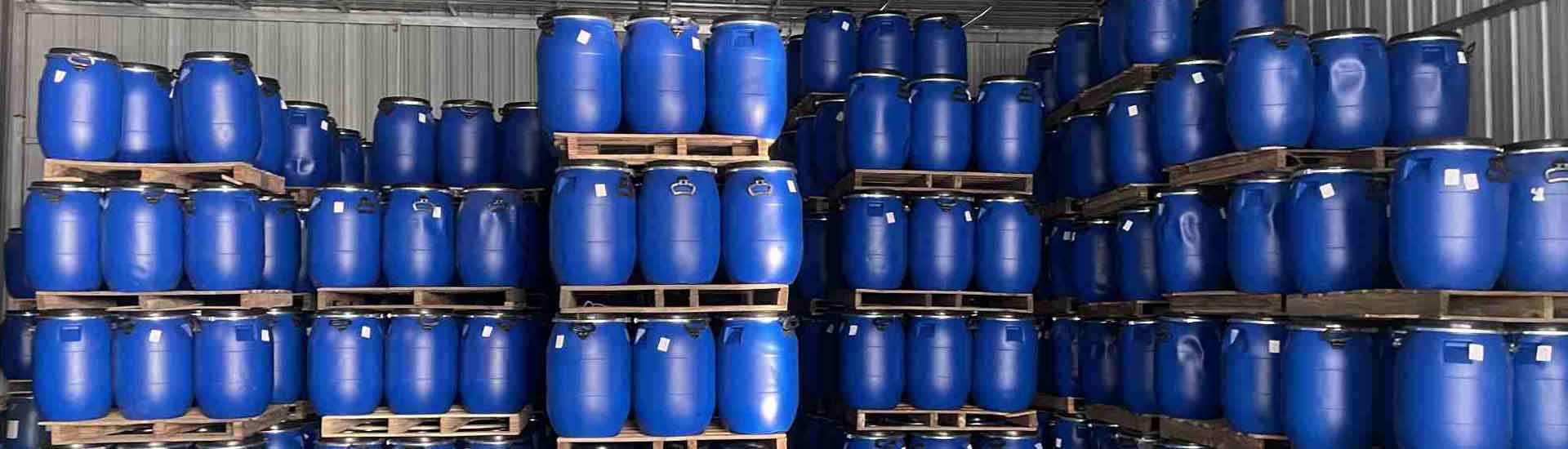
- Store in sealed containers at ≤90% relative humidity, away from water, acids, and alkalis.
Conclusion
Molecular sieves (3A, 4A, 5A, and 13X) are indispensable in natural gas drying, offering high-efficiency moisture removal, selectivity, and cost-effectiveness. So, their applications span from pipeline transmission to LPG processing, ensuring gas quality and system reliability. Proper type selection and maintenance further optimize their performance in industrial settings.