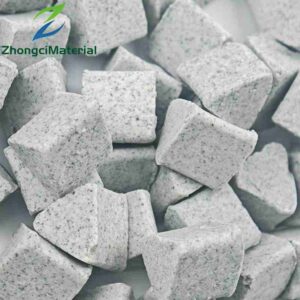
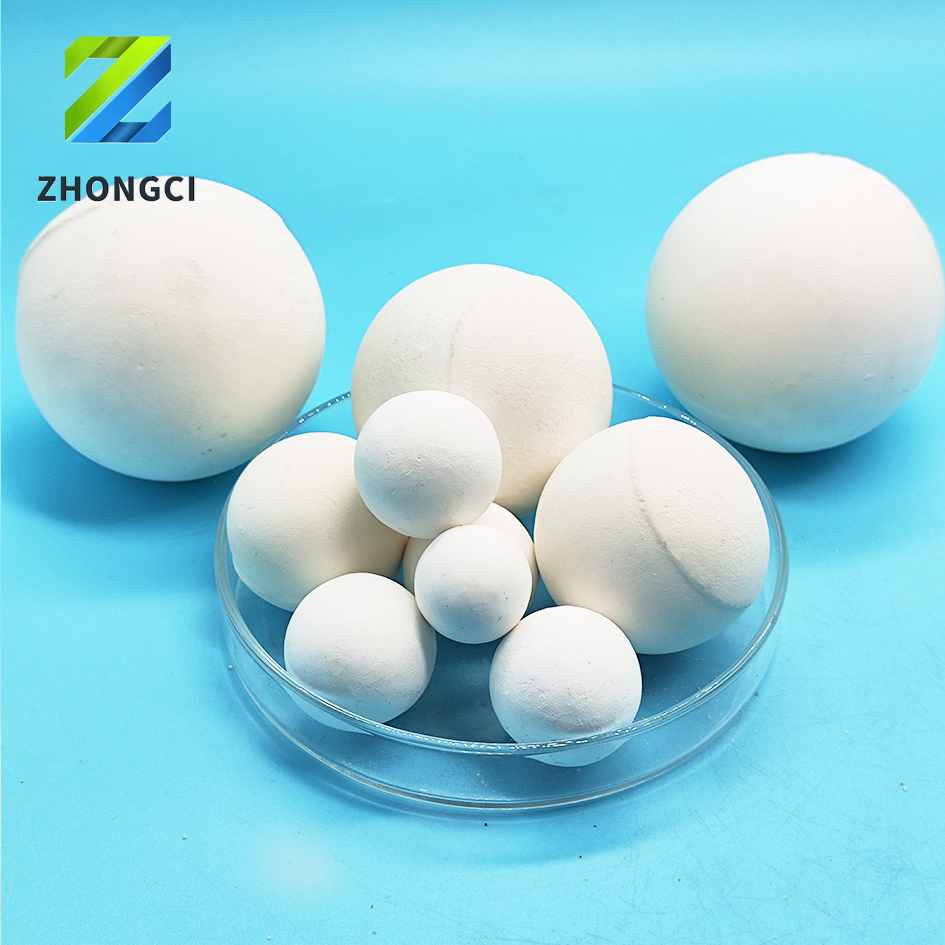
Alumina ceramic balls are a type of high-performance ceramic product with diverse applications and specific manufacturing characteristics. They find extensive use in various fields. In the petroleum, chemical engineering, and fertilizer industries, inert alumina ceramic balls are widely employed . Additionally, they are utilized in fine grinding glaze slip. As seen in the application of alumina ceramic grinding balls and linings. Moreover, they can serve as a catalyst carrier. As demonstrated in the comparison of oil absorbing effects with industrial coke and alumina balls used as catalyst carriers .
Manufacturing Processes and Influencing Factors of Alumina Ceramic Balls
- Forming Methods: Different forming methods have a significant impact on alumina ceramic ball. When isostatic pressing and hand-made processes are respectively adopted. Isostatic pressing results in a lower sintering temperature, higher hardness, and density compared to hand-made.
- Sintering Aids: The addition of sintering aids affects the properties of alumina ceramic ball. For instance, diopside (CaMgSi₂O₆) as a sintering aid influences the microstructure and wear resistance of 90% alumina ball.
- Raw Materials and Composition: The selection and proportion of raw materials are crucial. Refractory waste can be used to prepare medium alumina ceramic ball (with alumina content less than 60%. Mainly composed of mullite and corundum crystal) through plastic shaping and low-temperature-fast-sintering process in the CaO-MgO-SiO₂-Al₂O₃ system. Also, when manufacturing aluminium porcelain ball, keeping the amount of Al₂O₃ and SiO₂ invariable while changing the ratio of CaO and MgO is a practiced approach. Besides, mill porcelain ball can be developed using copper mine tailings, bauxite, feldspar, and a small amount of talc.
Performance Characteristics of Alumina Ceramic Balls
- Wear Resistance: Several factors affect the wear resistance of alumina ceramic ball. Pores have an impact on the wear behavior of alumina balls with different average grain sizes (3μm, 6μm, and 15μm). Also, the forming method influences the wear regularity, where the wear rate of hand-made ceramic balls increases with time, while that of isostatic pressing ceramic balls decreases accordingly.
- Other Properties: Alumina ceramic balls offer other favorable properties. When used in water treatment, they have improved performance in water purification, activation, and mineralization, with various aspects superior to current solid functional ceramic balls.