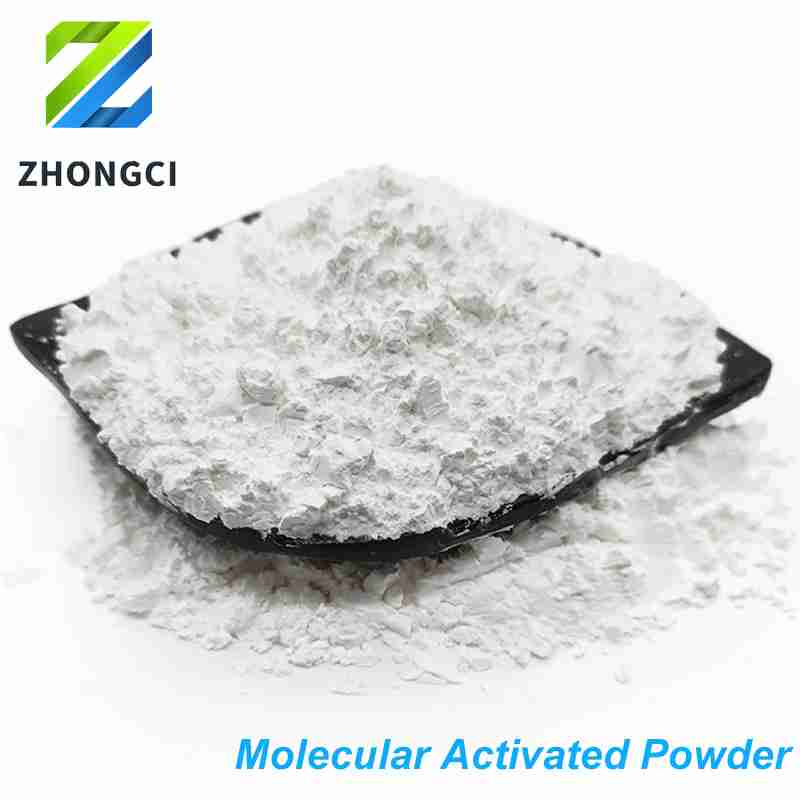
3A zeolite powder is a type of aluminosilicate hydrate with a cubic crystal structure and uniform microporous structure. It presents as a yellow to yellow – green powder or crystal, has a large surface area and high thermal stability, and is insoluble in water and hygroscopic. As an excellent solid adsorbent, it has a molecular sieving effect and preferential adsorption for polar molecules and saturated molecules. The adsorbed gases and liquids can be desorbed, enabling the zeolite to be regenerated and reused after application.
Preparation Process of 3A Zeolite Powder
- Raw material treatment: Boil water glass with steam to prepare an aqueous solution with a relative density of 1.2 – 1.25, remove impurities by sedimentation, and take the supernatant for use. Mix solid aluminum hydroxide and sodium hydroxide in a mass ratio of 1.2:1, heat to dissolve, and prepare sodium metaaluminate solution for standby. It is best to use the newly prepared sodium metaaluminate solution to prevent hydrolysis.
- Ion exchange: After filtration and washing, add potassium chloride for ion exchange with an exchange degree of 40%.
- Post – treatment: After filtration, washing, drying, adding binder for kneading, shaping, and灼烧 activation, 3A zeolite powder is obtained.
Application Fields of 3A Zeolite Powder
- Drying of unsaturated hydrocarbons: Mainly used for drying unsaturated hydrocarbons such as petroleum cracking gas, ethylene, and butadiene.
- Drying of polar liquids: It can be used for drying polar liquids such as methanol and ethanol.
- Drying of refrigerants: Suitable for drying refrigerants.
- Depth drying in industry: Used for depth drying of kerosene and aircraft engines, and drying of nitrogen – hydrogen mixed gas. It is also used as a desiccant in petrochemical, vacuum glass and other industries.
Storage and Safety Precautions of 3A Zeolite Powder
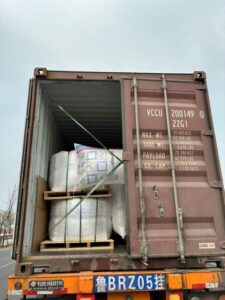
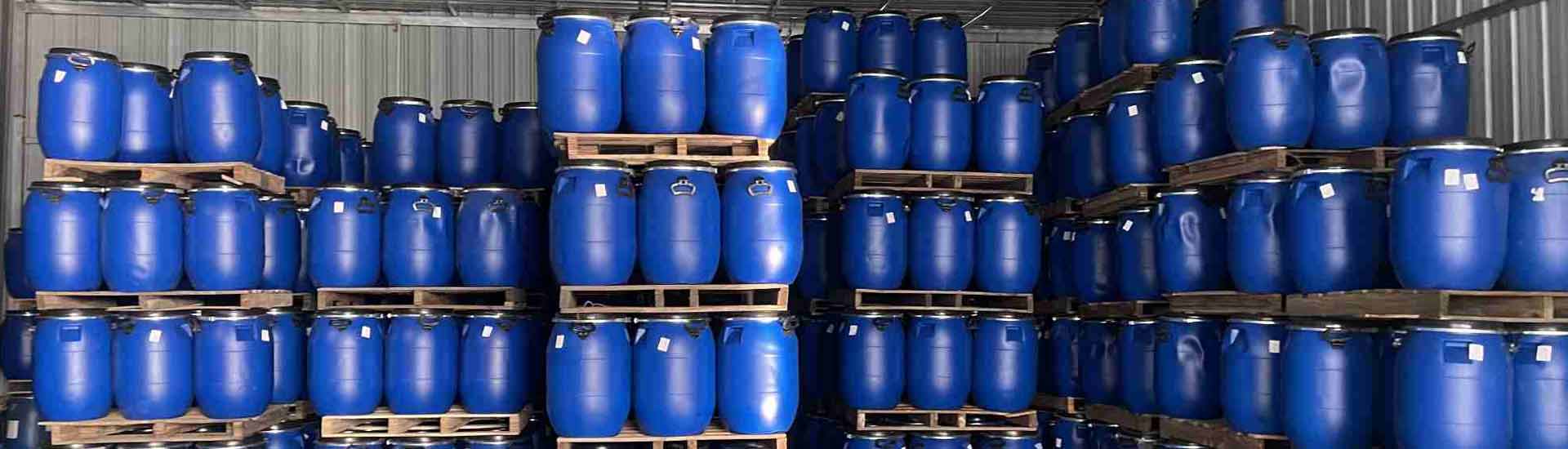
- Storage conditions: Store in a dry warehouse at room temperature. It is packaged in cartons or drums lined with polyethylene plastic bags with net weights of 20kg and 30kg. When the package is damaged, handle it with care to avoid further damage and never immerse in water.
- Toxicity and protection: Inhalation of dust can cause pneumoconiosis and pulmonary sclerosis, so dust prevention should be paid attention to. It is an irritating and harmful substance. The risk phrases are R36/37/38 (irritating to eyes, respiratory system and skin) and R20 (harmful if inhaled). The safety phrase is S26 (in case of accidental contact with eyes, immediately rinse with plenty of water and consult a doctor).