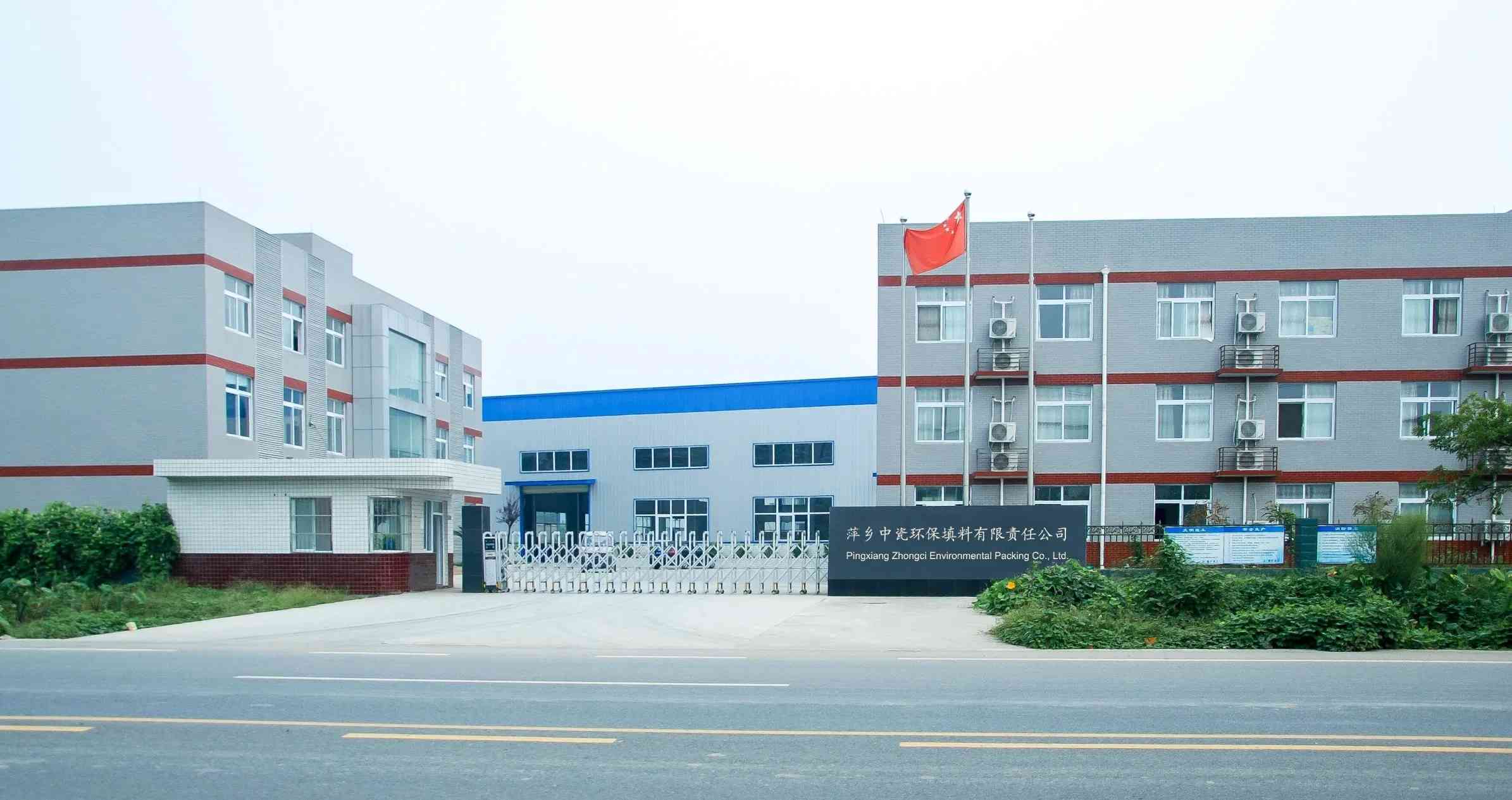
In the golden autumn of October, the sunshine is very good, while the Pingxiang Industrial Park is a prosperous scene. Under the shade of green trees, Pingxiang Zhongci Environmental Ceramics Material Co., Ltd. is busy with production. This is a high-tech enterprise specializing in the production, research and development, and operation of 3A molecular sieve for hollow glass desiccants.
From the outside, this factory appears extremely plain and simple, but it is precisely this seemingly unremarkable place that contains strong momentum and unique charm.
Hollow glass “and” 3A molecular sieve “may sound unfamiliar at first, but when it comes to glass, everyone becomes very familiar with it. Glass, also known as flowing glass or glazed glass in ancient times, is a colored and semi transparent mineral.

How Tang Dynasty Poet Say about Colored Glass
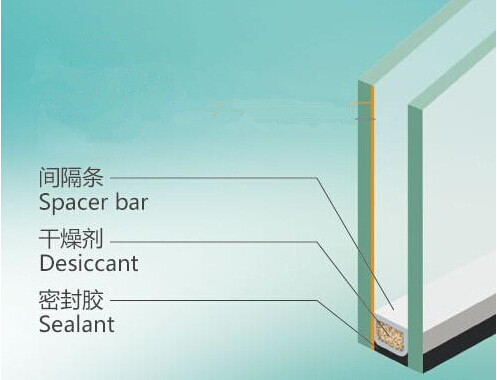
The Tang Dynasty poet Yuan Zhen praised it as follows: “Colored glass is like cold ice, with nothing separating fine dust.” Colored glass is like cold ice. It means that glass has color, but it is as transparent as winter ice. Nothing separates fine dust, meaning that although transparent. It seems like there is nothing. Yet it can separate fibers from dust. What poetic glass this is! And modern insulated glass is even more magical. It is a multi-layer glass composed of two or more pieces of glass sealed together.
The glass is separated by spacer strips with desiccants. And the edges are sealed with sealing tape. The desiccant in the spacer strips plays a decisive role in ensuring the dryness of the air inside the spacer layers. The main function of insulated glass is to provide sound insulation and reduce heat loss. Thereby, it reduces energy consumption, improving glass transparency, achieving insulation for large areas and reducing noise.
This is most commonly used in buildings, which can save 30% -50% of building energy consumption. Therefore, in order to save energy in buildings, insulated glass must be used. To achieve energy conservation and environmental protection. Insulated glass must be with a desiccant “3A molecular sieve” in its compartments.
What’s 3A Molecular Sieve?
Speaking of “3A molecular sieve”, it is a crystalline silicate or alumina-silicate composed of or aluminum oxygen tetrahedral. It has a uniform micro-porous network structure and a large surface area.
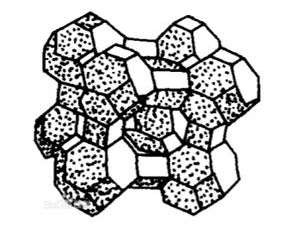
Different types of molecular sieves can be to separate various molecules due to their varying pore sizes or shapes. Water is a highly polar molecule, and A-type molecular sieves have a high affinity for water and are often as highly effective desiccants. The molecular sieve we are referring to is a 3A type molecular sieve that can only be to absorb water molecules. The pore size of 3A molecular sieve is 3 angstroms, mainly for adsorbing water. And it does not adsorb any molecules with a diameter greater than 3 angstroms. So it is called “3A molecular sieve”.
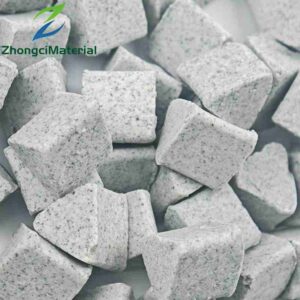
The finished product of 3A molecular sieve is small particles. It has drying ability and depth dozens of times higher than silica gel desiccant, alumina desiccant, etc. The purpose of using insulated glass is to reduce the degree to which indoor temperature affects by the external environment. It provides sound insulation to maintain indoor quietness, and allow desiccants to absorb moisture in the inter-layer. So it makes the glass transparent in any temperature environment, in order to ensure the achievement of the above goals.
3A Molecular Sieve As Desiccants
Due to the characteristics of 3A molecular sieves, for safety reasons, the use of non 3A molecular sieves as desiccants should strictly prohibit for air dried insulating glass. The current market situation of hollow glass desiccants is worrying. Hollow glass was to China as early as the mid to late 1980s, but its application scope limites due to various factors.
In the late 1990s, insulated glass was included in the building energy-saving standard system, requiring the use of insulated glass for building doors and windows. According to incomplete statistics, there are no less than 1000 domestic manufacturers of insulated glass and no less than 500 domestic and imported automated production lines. From January to September 2010, China produced a total of 26.4774 million square meters of insulated glass.
At present, the market for insulating glass in China is quite mature. According to statistics from the Wall Engineering Committee of the China Building Decoration Association, which analyzed the national wall market over the past three years. The construction area of glass walls in China was approximately 165 million square meters in 2008, 236 million square meters in 2009, and 300 million square meters in 2010.
The Market Development of Hollow Insulating Glass
Hollow glass, due to its ability to block energy loss from doors and windows, has been as an essential energy-saving glass in the national “Code for Acceptance of Construction Quality of Building Energy saving Engineering”. However, it is quite common for insulating glass to experience condensation, failure. And it even overall detachment after three to five years of use. Industry insiders say that the root of the problem lies in the quality of the insulating glass.
There are two main reasons for the detachment of the entire glass. Firstly, there is a problem with the silicone seal used to bond the insulating glass frame. It makes the insulation layer of the insulating glass damp and causes the frame to rust and detach. The second issue is that the insulating glass partition is filled with corrosive desiccants. It not only makes the partition damp, foggy, and frosted, but also corrode the bonding silicone of the frame, causing the frame to fall off. Both of these reasons can cause the entire piece of building curtain wall glass to fall off, resulting in incalculable safety hazards.
According to the investigation, a large number of insulating glass enterprises currently produce insulating glass with “corrosiveness”. It refers to the use of highly corrosive desiccants in the insulating glass spacers. According to market estimates, its total volume has reached over 50% of the total market volume, equivalent to over 500 million square meters. In some economically underdeveloped areas, this type of insulated glass even accounts for over 80% of the total market volume. The market is flooded with such a large quantity of “corrosive” insulating glass. And the energy-saving effect of building curtain wall glass is poor, with serious safety hazards.
The Market Development of Zhongci 3A Molecular Sieves
Zhongci “: 3A molecular sieve leads the world in quality and occupies the market with reputation. Since we started our business in the high-tech zone in 2003, we have grown rapidly under the influence of a favorable environment. Due to our consistent adherence to scientific management and technological investment. Whats’more, innovative research and development of top-notch products, the enterprise has quickly embarked on a path of healthy development. Today, the company has become a member of the China Association of Building Glass and Industrial Glass. Now we have automated molecular sieve manufacturing equipment, modern quality testing and monitoring centers and laboratories, and experienced technical personnel and excellent management teams.
The company integrates the production, research and development, and operation of molecular sieves, always adhering to the principle of quality first. Its products have reached the EN1279 standard and obtained certification from the authoritative testing organization IFT in Europe for insulating glass. Zhongci proudly states that our production of 3A molecular sieves for insulating glass has a domestic market share of 40%, ranking first. With a global market share of 17%, it is the manufacturer with the highest export volume of similar products. In terms of market share of “Green Energy” 3A molecular sieve, it can be regarded as the industry leader. 3A molecular sieve is highly favored in European countries, especially with a market share of 70% in the UK.
Zhongci Made Great Progress on 3A Molecular Sieve Technology and Market Winners
This product has a broad market, excellent quality, and enjoys a high reputation both domestically and internationally. From the reward certificates, appraisal certificates, and honor plaques of the enterprise, we can see that in 2008, Zhongci Company organized a scientific and technological achievement appraisal. Zhongci passed the national authoritative expert recognition, and the product technology level reached the “international leading level”. Zhongci 3A molecular sieve has been selling well in China for six consecutive years. And many large domestic and foreign enterprises have cooperated with them. Currently, the UK’s heat sealing technology group and China’s South Glass have become their strategic partners.
Moreover, “Zhongci” 3A molecular sieve project has received support from the National Innovation Fund. So far, their products have been exported to more than 60 countries and regions including Europe and America. And we have won praise from numerous hollow glass processing enterprises. For a private enterprise that has grown up in the midst of adversity, this cannot be said to be a miracle. Zhongci 3A molecular sieve, has excellent quality and unshakable reputation. Therefore, it has been selling well in domestic and international markets. and It has become the flagship product in the production of hollow glass desiccants. So, we believe that our 3A molecular sieve is reliable, safe, and stable in the application of hollow glass. It will make greater contributions to human environmental protection and energy conservation.