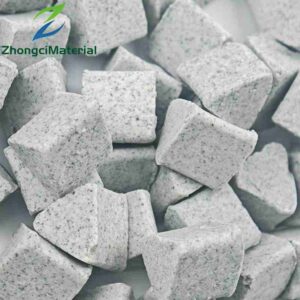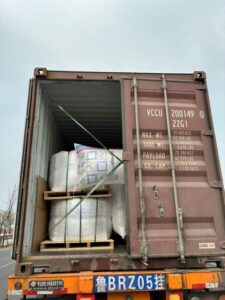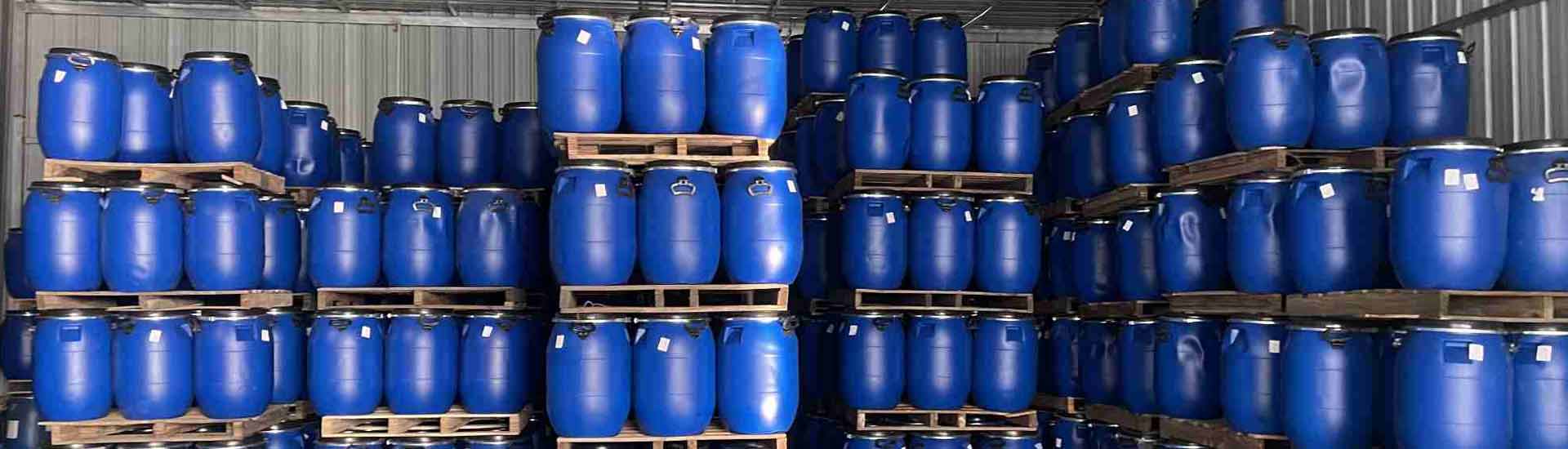

On May 5th, 27ton 99% Alumina Ceramic Balls successfully loaded on container, ready to ship to Russia.
Introduction to High-Alumina Filler Balls
High-alumina filler balls, also known as high-alumina ceramic balls, are a type of ceramic material widely used in various industrial fields. This article will introduce their characteristics, applications, and advantages.
Characteristics
- High Hardness and Wear Resistance: High-alumina filler balls have high hardness, second only to diamond and silicon carbide. This gives them excellent wear resistance and compressive strength, allowing them to maintain their shape and performance even under high-pressure and high-friction conditions .
- High Chemical Stability: They are highly resistant to the corrosion of acids, alkalis, salts, and other chemicals. This makes them suitable for use in harsh chemical environments and ensures their long – term stability in chemical reactions .
- Low Thermal Expansion Coefficient: With a low thermal expansion coefficient, high – alumina filler balls can maintain good stability at high temperatures. They are less likely to crack or deform due to temperature changes, which is crucial for applications in high – temperature equipment .
- High Density: Generally, the higher the density of high – alumina filler balls, the better their overall performance, including hardness, wear resistance, and compressive strength. Density is an important indicator of their quality and affected by factors such as raw materials, preparation processes, and sintering temperatures .
Applications
- Chemical Industry: In chemical production, high – alumina filler balls are mainly for adsorption, dehydration, deoxidation, desulfurization, and denitrification processes. They can be widely in industries such as refining, fertilizers, organic chemicals, and fine chemicals. For example, in the refining process, they used in hydrogenation reactors, desulfurization reactors, and denitrification reactors. Additionally, they can serve as catalyst carriers for preparing various catalysts, such as catalytic cracking catalysts, hydrogenation catalysts, and dehydrogenation catalysts.
- Petroleum Industry: As reactor catalyst support materials and tower packings, they can increase the distribution points of gas or liquid, support and protect low – strength active catalysts, and improve the efficiency of oil refining and chemical reactions.
- Abrasives and Grinding: High – alumina filler balls can be as abrasives in various grinding machines, sanding wheels, and sandblasting machines to grind, polish, and clean various materials. They are also commonly as grinding balls in ball mills and coal pulverizers, with long service life and high wear resistance.
- Other Industries: They are also in fields such as metallurgy, power, and building materials. For example, in the electronics and aerospace industries, high – alumina grinding balls can be as economical and widely – used non – metal grinding media.
Advantages
- Improve Reaction Efficiency: Their high specific surface area and porosity can increase the loading capacity and reaction activity of catalysts, thereby improving the reaction efficiency in chemical processes.
- Cost – Effective: Due to their long service life and high wear resistance, the frequency of replacement is reduced, which helps to lower production costs in the long run.
- Enhance Product Quality: By providing stable support and protection for catalysts and ensuring the uniform distribution of materials, high – alumina filler balls contribute to improving the quality of final products.
In conclusion, high – alumina filler balls are important industrial materials with excellent performance and wide applications. With the continuous development of the industrial field, their application prospects will become even broader.