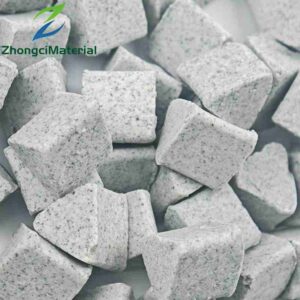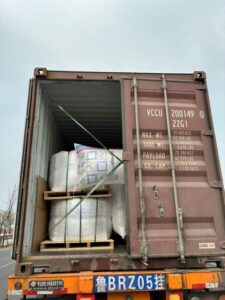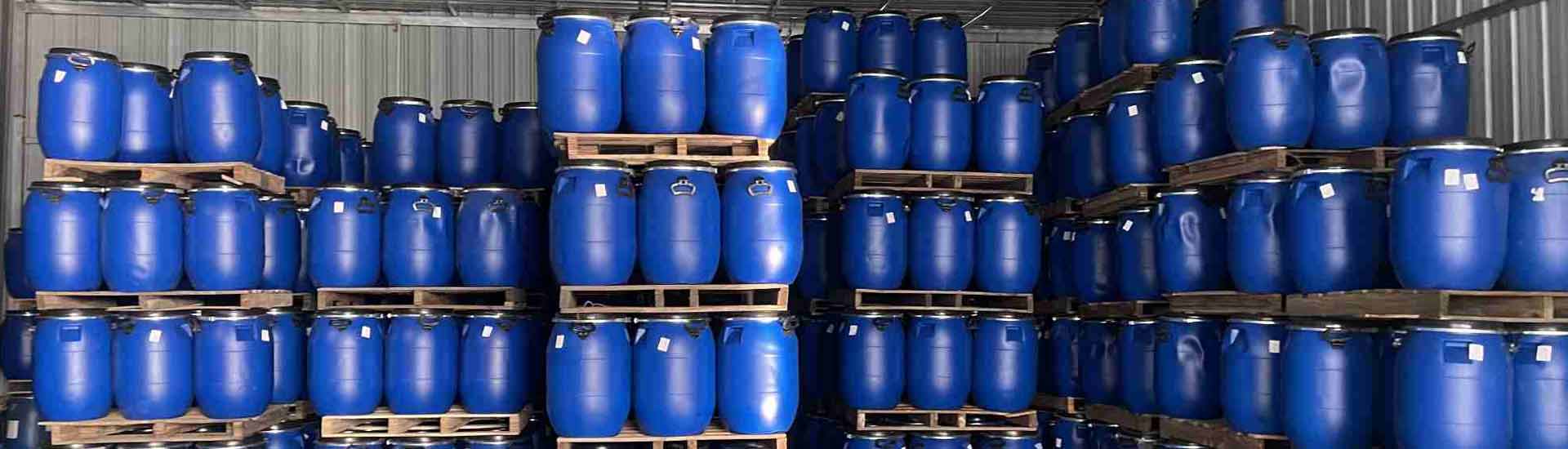
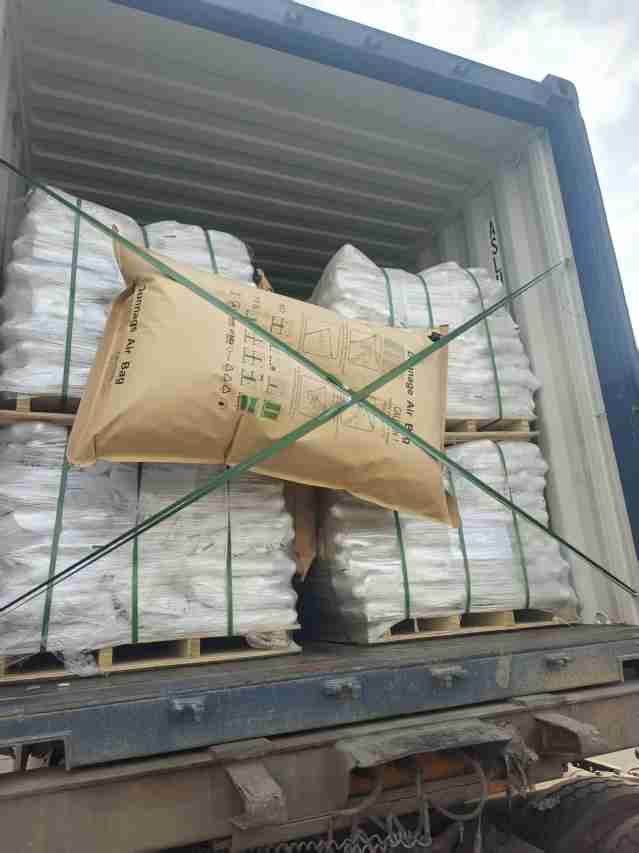
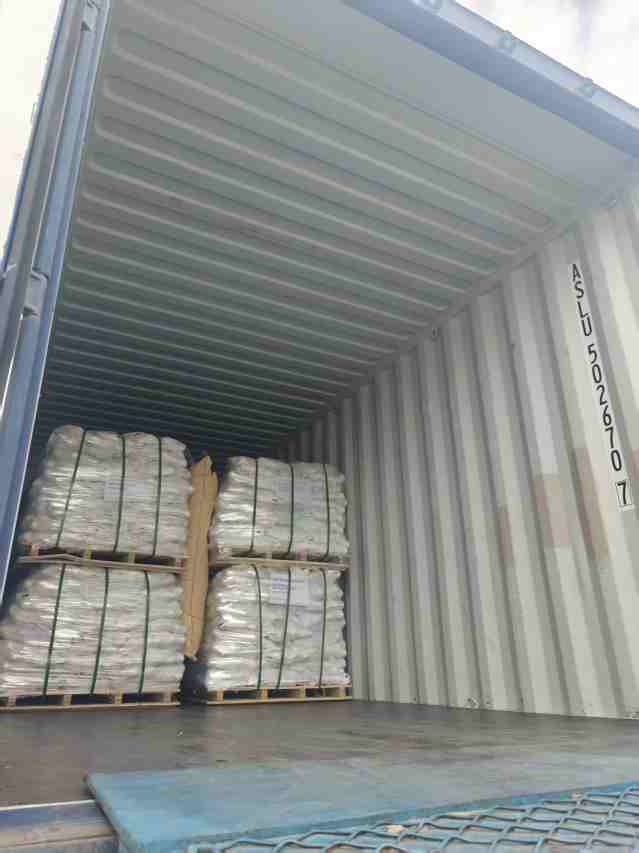
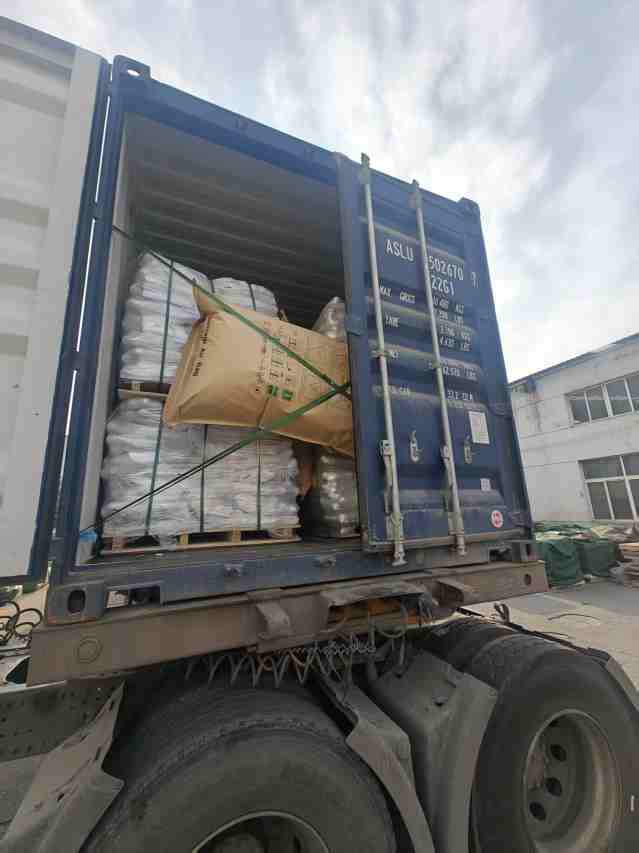
On May 16th, Zhongci 95% alumina balls were loaded well and ready to ship to Egypt customer. After our sales team professional negotiation with Egypt customer, the first test batch order-27tons were produced and loaded successfully. After our Egypt customer received the 27ton, they will buy from us with annual volume 200tons.
Introduction to Alumina Ball
Alumina balls, also known as alumina ceramic ball, are widely use in various industries due to their excellent physical and chemical properties.
1. Composition and Types
Alumina balls are mainly of aluminum oxide (Al₂O₃). There are different types of alumina ball, such as high – alumina ball with a relatively high content of alumina and medium – alumina ceramic ball which contain alumina less than 60% and are mainly compose of mullite and corundum crystal. Alumina hollow balls are another special type, which are the hollow spherical light insulating refractory made from alumina blown out of an electric furnace through a high – temperature melting procedure.
2. Manufacturing Methods
Different forming methods to produce alumina ball. For example, isostatic pressing and hand – made (hand -搓) methods are common. The forming method has a significant impact on the properties of the alumina ball. Isostatic pressing results in balls with a lower sintering temperature, higher hardness, and density compared to those made by hand – made methods. The wear rate of hand – made alumina balls increases with time.
3. Applications
3.1 Absorbing Oil
Alumina ball can be as an oil – absorbing material. In the desulfurizing agent, their oil – absorbing effect can compare with that of industrial coke and other materials. For instance, in some experiments, the oil – absorbing performance of TX1 type high – effective oil absorbent compare with that of alumina balls.
3.2 Grinding
Alumina ceramic grinding balls and linings are widely in fine grinding glaze slip. They play an important role in the ball – milling process, and factors affecting the efficiency of ball – mills in this application are also studying.
3.3 Refractory Industry
Alumina hollow balls, due to their light – weight and heat – insulating properties, are in the refractory industry to provide thermal insulation in high – temperature environments.
4. Equipment for Production
There are machines designed for the production of alumina ball. These machines often have advantages such as advanced parameters, easy adjustment, high automation, and high efficiency, making them ideal for middle and high – alumina porcelain ball projects.
In conclusion, alumina balls are versatile products with a wide range of applications and their properties and production methods are continuously studying and improving to meet the needs of different industries.